




Definition and Meaning
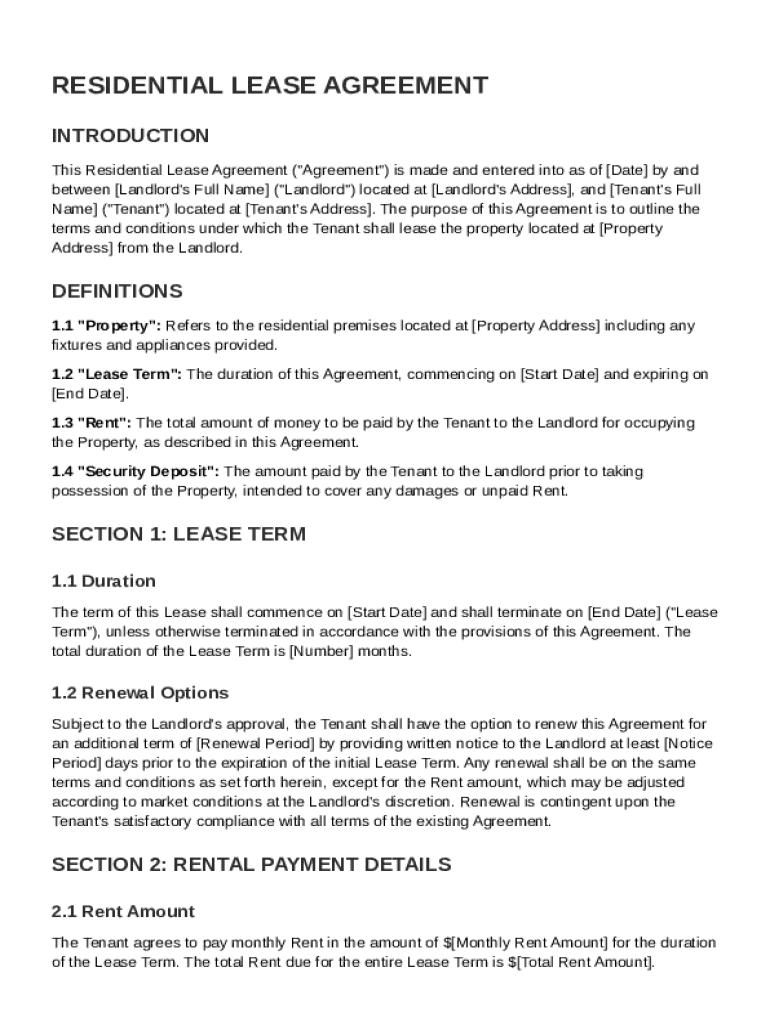
A Landlord and Tenant Lease Agreement Template is a pre-designed document that outlines the terms and conditions of a rental arrangement between a property owner (landlord) and a tenant. It serves as an essential legal contract to ensure both parties understand their rights and responsibilities during the lease term. The template typically includes details such as lease duration, rental payment terms, security deposit requirements, maintenance responsibilities, and usage restrictions. Utilizing a template provides a structured format that can help safeguard against misunderstandings and disputes.
How to Use the Landlord and Tenant Lease Agreement Template
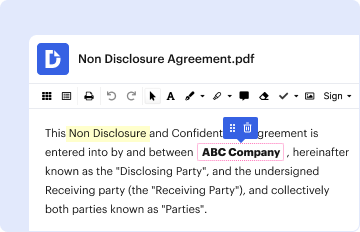
To effectively use the Landlord and Tenant Lease Agreement Template, start by selecting the appropriate template that best suits the specific rental arrangement. Once selected, fill in the details unique to your agreement, including property address, tenant names, rental amount, and lease duration. Make sure to customize sections as needed to cover specifics like pet policies, utility obligations, and maintenance duties. Both parties should review the document thoroughly to ensure mutual agreement on all terms. Once finalized, both the landlord and tenant should sign the document to make it legally binding.
Steps to Complete the Landlord and Tenant Lease Agreement Template
- Gather Information: Collect all necessary details, such as the property address, tenant and landlord information, and rental specifics.
- Fill Out Basic Sections: Enter the fundamental elements, including lease duration and monthly rent amount.
- Specify Additional Terms: Customize the template by including clauses for security deposits, maintenance obligations, and any applicable rules or restrictions.
- Review and Amend: Both parties should carefully review the filled agreement, making any necessary changes to ensure accuracy and completeness.
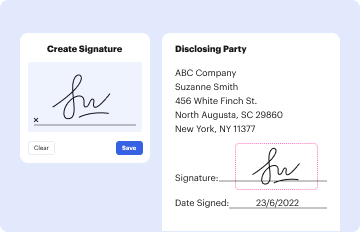
- Finalize the Agreement: Ensure all parties agree to the terms and sign the document to formally bind the agreement.
Key Elements of the Landlord and Tenant Lease Agreement Template
The template is structured to address several key components critical to any leasing arrangement:
- Lease Duration: Defines the start and end date of the tenancy.
- Rental Amount: Specifies the monthly rental amount and payment due date.
- Security Deposit: Details the deposit amount and conditions for its return.
- Maintenance Responsibilities: Outlines the responsibilities of each party regarding property maintenance and repairs.
- Permitted Use and Restrictions: Defines how the property can be used and any restrictions such as pet policies.
Each section plays a pivotal role in clarifying the expectations of both parties and helps avoid disputes.
State-Specific Rules for the Landlord and Tenant Lease Agreement Template
Lease agreements can be subject to varying state laws and regulations. Therefore, one must ensure that the template complies with state-specific requirements. Common variations may include regulations on the maximum allowable security deposit, notice periods for termination or lease renewal, and acceptable repair timelines. Consulting state landlord-tenant laws before finalizing the lease agreement is advisable to ensure compliance and avoid legal pitfalls.
Who Typically Uses the Landlord and Tenant Lease Agreement Template
The template is commonly used by:
- Landlords: To formalize rental agreements and protect their property rights.
- Property Managers: To manage multiple rental properties efficiently.
- Tenants: To understand their rights and obligations under a lease.
- Real Estate Agents: To facilitate transactions between property owners and renters.
Each user benefits from the template’s structured format, which diminishes the likelihood of disputes.


Versions or Alternatives to the Landlord and Tenant Lease Agreement Template
While the basic template addresses standard lease agreements, there are alternative versions available that cater to particular scenarios:
- Month-to-Month Lease Agreements: Suitable for short-term rentals without a fixed term.
- Commercial Lease Agreements: Tailored for renting business premises.
- Sublease Agreements: Allows tenants to rent out their leased space to another party.
Choosing the correct version ensures that the agreement aligns with the specific legal and practical needs of the renting situation.
Legal Use of the Landlord and Tenant Lease Agreement Template
The template acts as a legally binding contract once both parties have signed it. Court systems often rely on the document to resolve disputes, making its accuracy essential. Key legal considerations include ensuring the template covers mandatory disclosures, specifies legal jurisdiction, and adheres to any state-specific landlord-tenant laws. Including a clause for dispute resolution can also help manage any potential conflicts that might arise during the tenancy.