




Definition and Purpose of the Visitor Agreement Template
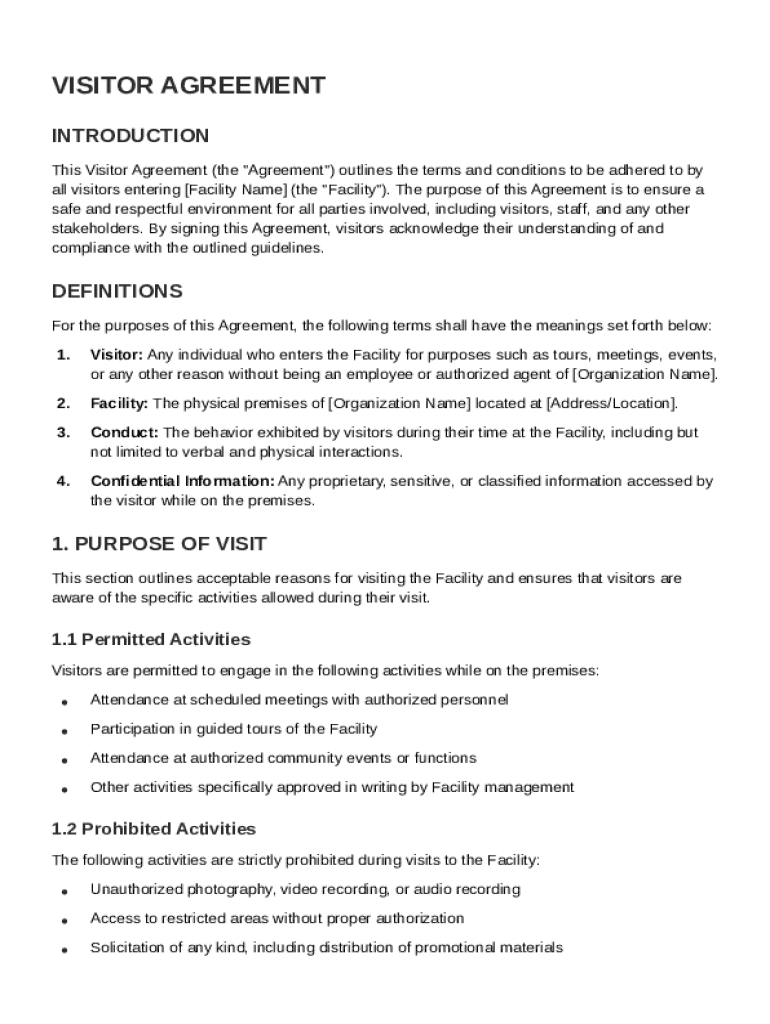
A Visitor Agreement Template is a structured document that outlines the terms and conditions governing the conduct of visitors accessing a specific facility. This form is crucial in maintaining a safe and respectful environment for all parties involved. The template typically details key components such as visitor responsibilities, permissible and prohibited activities, confidentiality obligations, and a liability waiver. It serves as a legal document that visitors must sign to acknowledge their understanding and acceptance of these terms.
The Visitor Agreement Template ensures that both visitors and host facilities have a clear understanding of the expectations and legal considerations involved in the visit. By enforcing these guidelines, facilities can manage their environment more effectively, minimizing risks related to security and liability.
How to Use the Visitor Agreement Template
Utilizing the Visitor Agreement Template involves a step-by-step approach to ensure completeness and compliance. Here’s how you can effectively use this document:
-
Customizing the Template: Begin by tailoring the template to suit your specific facility's needs. This includes inserting the facility name, adjusting the terms and conditions, and specifying any unique requirements relevant to the location.
-
Clarifying Terms: Clearly define all terms within the agreement to prevent ambiguity. This includes outlining the permitted and prohibited activities, visitor responsibilities, and any penalties for non-compliance.
-
Distributing the Agreement: Ensure that every visitor receives a copy of the agreement before their visit. This can be done via email, physical copy, or through an online submission platform compatible with digital documents.
-
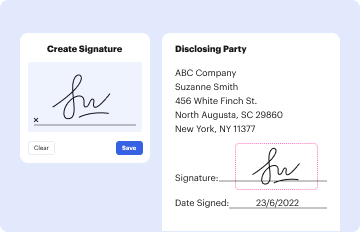
Collecting Signatures: Use DocHub’s electronic signature feature to collect legally binding signatures from visitors. This process ensures the integrity of the agreement and provides an audit trail.
-
Storing the Agreements: Keep signed copies of the agreement securely stored, either digitally within your document management system or as hard copies, to access them for future reference if necessary.
Steps to Complete the Visitor Agreement Template
Completing the Visitor Agreement Template requires attention to detail to ensure all sections are addressed adequately. Follow these steps to fill out the template:
-
Enter Facility Information: Start by entering the full name and address of the facility being visited. This provides a clear point of reference within the document.
-
Specify Term Duration: Clearly define how long the terms of the agreement will remain in effect, including start and end dates, if applicable.
-
Detail Visitor Responsibilities: List and describe essential responsibilities expected from the visitors. This may encompass adherence to safety protocols, maintaining confidentiality, and respecting the property of the facility.
-
Outline Permitted Activities: Identify activities that are permitted during the visit, ensuring visitors understand what is acceptable behavior during their time on the premises.
-
Explain Prohibited Activities: Clearly delineate activities or behaviors that are not tolerated. Providing examples can help clarify any potential misunderstandings.
-
Include a Liability Waiver: Ensure the agreement contains a liability waiver, which is standard in many visitor agreements, explaining that the facility is not responsible for injuries or damages incurred during the visit.
-
Gather and Verify Signatures: Lastly, use DocHub’s tools to collect signatures from all required parties. Verify that all the information is correct and the document is signed before the visit takes place.
Important Terms Related to the Visitor Agreement Template
Various critical terms frequently appear in Visitor Agreement Templates, each playing a pivotal role in the document’s enforcement. Understanding these terms can help both issuers and visitors appreciate their significance:
- Liability Waiver: A section that limits the facility’s liability in the case of accidents or injuries, emphasizing that visitors assume certain risks upon entering the premises.
- Confidentiality Clause: This clause requires visitors to protect sensitive or proprietary information they may encounter during their visit.
- Prohibited Activities: Activities that are expressly forbidden, often due to safety or security concerns, which visitors agree to avoid.
- Visitor Responsibilities: These are duties that a visitor must fulfill, such as following safety guidelines and respecting the property.
- Termination of Access: This outlines conditions under which a visitor's right to access can be revoked, typically in the case of non-compliance with the agreement.
Legal Use of the Visitor Agreement Template
The legal use of the Visitor Agreement Template is significant for both facilities and visitors, as it establishes enforceable terms and conditions. Here are essential considerations for legal use:
-
Compliance with State Laws: Ensure the template complies with the specific legal requirements of the state where the facility is located, as laws regarding liability waivers and visitor agreements can vary.
-
Enforceability of Clauses: Certain provisions, such as liability waivers, must be drafted carefully to be considered legally enforceable in court.
-
Legal Review: Facilities may choose to have their visitor agreement templates reviewed by legal counsel to ensure the document’s adequacy and compliance with applicable laws.
-
Secure Documentation: Utilizing digital management tools, like DocHub, ensures these agreements are securely stored and easily retrievable, providing crucial evidence in any legal disputes.
Key Elements of the Visitor Agreement Template
The template is composed of several key elements required to create a comprehensive visitor agreement. Here are the primary components:
-
Introduction: An introductory section that provides a brief overview of the purpose and scope of the agreement.
-
Visitor Obligations: A clear enumeration of what visitors must do—or refrain from doing—during their visit.
-
Facility Responsibilities: Although not always included, this section can outline what the facility agrees to provide, such as a safe environment or necessary information access.
-
Waivers and Assurances: This includes any legal disclaimers, liability waivers, and assurances both parties agree to.
-
Termination Terms: Details about how and under what conditions the agreement can be terminated, focusing specifically on breaches by the visitor.
-
Signatures: The final component, where both the visitor and an authorized representative of the facility sign to affirm their agreement to the terms outlined.
Examples of Using the Visitor Agreement Template
Visitor Agreement Templates find application across various sectors. Here are some practical examples:
-
Educational Institutions: Schools and universities may use these templates for visitors attending campus events or meetings, ensuring they comply with institution-specific rules and safety guidelines.
-
Corporate Offices: Businesses hosting clients or contractors may implement visitor agreements to protect proprietary information and prevent disruptions during the visit.
-
Healthcare Facilities: Hospitals and clinics often use visitor agreements to maintain the confidentiality of patient information and uphold health and safety protocols.
-
Event Venues: These templates help manage large crowds, as visitors agree to venue regulations to ensure safety and enjoyable experiences for all attendees.
State-Specific Rules for the Visitor Agreement Template
Visitor agreements can differ based on state-specific regulations, impacting specific clauses such as liability waivers and privacy concerns. Here's a look at how state differences might affect these documents:
-
Liability Waivers: Some states have stringent rules about how liability waivers must be presented and agreed upon to be enforceable. It is critical to conform to these regulations for validity.
-
Privacy Laws: States with strong privacy laws, like California, may require more detailed confidentiality clauses to protect personal information.
-
Rights of Refusal: In certain jurisdictions, visitors may have the right to refuse specific terms and still gain entry, although this is less common and usually pertains to places like public libraries or government facilities.
Understanding and adhering to state-specific requirements ensures the legality and effectiveness of the Visitor Agreement Template in various regions.