




Definition & Purpose of a Legal Document Agreement Template
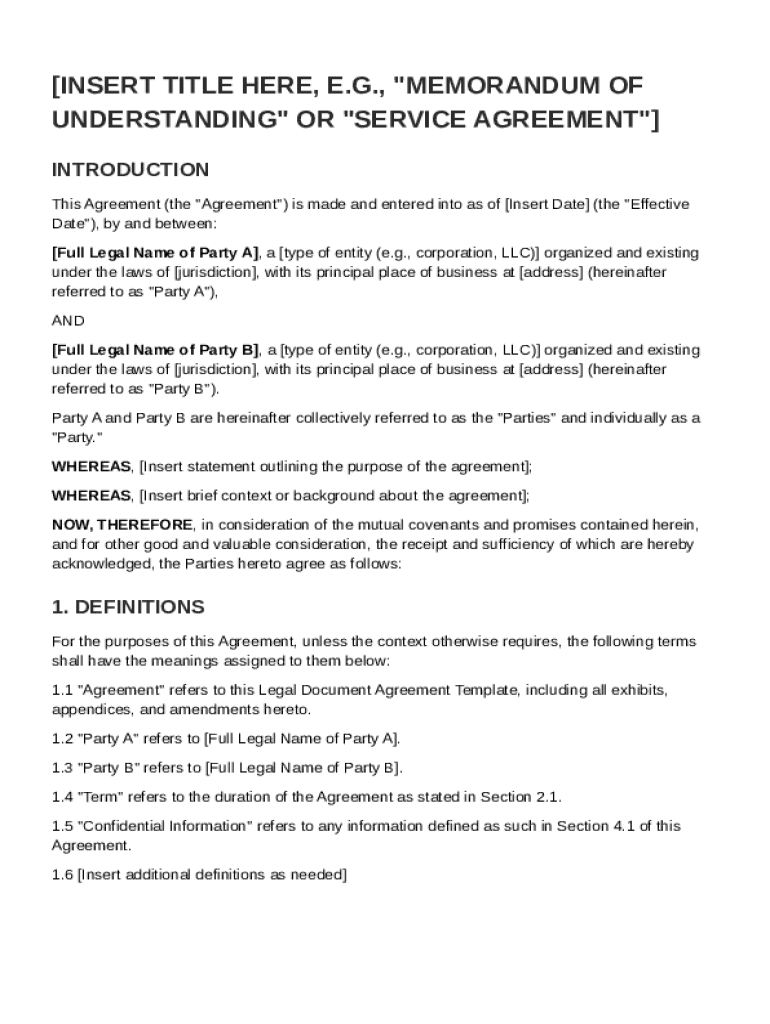
A legal document agreement template is a standardized form designed to establish a formal agreement between two or more parties. It outlines the terms and conditions that define the responsibilities, rights, and obligations of each party involved. These templates are essential for ensuring that all aspects of the agreement are clear, concise, and legally binding. They serve as a foundation for drafting documents like service agreements, partnership contracts, and consulting orders, among others. By using a template, parties can save time while ensuring comprehensiveness and legal compliance.
Key Elements of the Legal Document Agreement Template
The template typically includes several critical components:
- Party Identification: Clearly identifies the parties involved in the agreement, such as Party A and Party B.
- Scope of Services: Details the services or obligations each party is responsible for, ensuring mutual understanding.
- Payment Terms: Specifies the compensation arrangements, including due dates, amounts, and payment methods.
- Confidentiality Clauses: Protects sensitive information shared during the course of the agreement.
- Dispute Resolution: Outlines the process for handling disagreements, such as mediation or arbitration.
- Termination Conditions: Defines the terms under which the agreement can be terminated by either party.
Each section of the template is designed to address potential scenarios that could arise, reducing the risk of misunderstandings or disputes.
How to Use the Legal Document Agreement Template
Using a legal document agreement template involves several steps:
- Identify the Template: Choose a template that best suits the specific type of agreement you need.
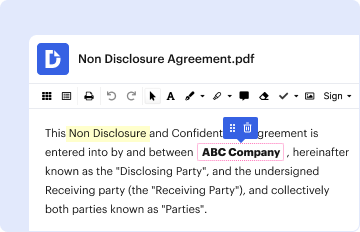
- Customize the Document: Fill in the necessary details, such as party names, service details, and specific terms.
- Review and Revise: Carefully review the filled-out template to ensure accuracy and completeness.
- Consult Legal Counsel: It is advisable to have a legal professional review the document for compliance and enforceability.
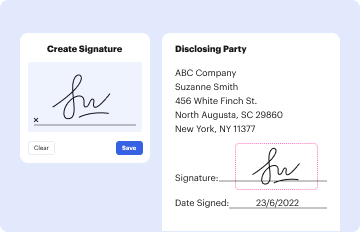
- Agree and Sign: Once all parties are in agreement, they can sign the document, making it legally binding.
Employing a template is an efficient way to create agreements while ensuring all legal aspects are thoroughly addressed.
Who Typically Uses the Legal Document Agreement Template
A wide range of individuals and organizations utilize these templates:
- Small Business Owners: For drafting service contracts with vendors and clients.
- Freelancers: To formalize engagement terms with customers.
- Corporate Legal Departments: For internal agreements and external vendor contracts.
- Partnerships and Collaboratives: To outline roles and expectations of each partner.
These templates are versatile, serving various industries and business types, from startups to established enterprises.

Legal Use of the Legal Document Agreement Template
Legal document agreement templates are used to create enforceable contracts that safeguard the interests of all parties involved. By adhering to local, state, and federal laws, these templates ensure that agreements meet legal standards. The template's structure helps prevent ambiguity and provides a reliable framework for dispute resolution. It is crucial to ensure that the template complies with relevant jurisdictional laws to uphold its validity in case of a dispute.
State-Specific Rules for Legal Document Agreement Template
While the basic structure of legal document agreement templates remains consistent, specific provisions may vary based on state laws. Some states have unique legal requirements for certain types of agreements, such as non-compete clauses or limitations on liability. It is essential for users to be aware of these state-specific rules:
- Governing Law Clauses: These specify which state's laws apply if a dispute arises.
- Mandatory Disclosures: Certain states require additional disclosures in contracts.
Consulting with a legal professional is advisable to confirm that the template aligns with the relevant legal requirements in the state where the agreement will be enforced.
Examples of Using the Legal Document Agreement Template
Legal document agreement templates can be used in various scenarios:
- Service Contract: A freelance designer uses the template to set terms with a new client, detailing deliverables, timelines, and payment structure.
- Partnership Agreement: Two businesses enter into a joint venture using the template to outline profit-sharing and management responsibilities.
- Vendor Agreement: A restaurant uses the template to formalize a supply chain agreement with a local produce vendor.
These templates facilitate the formal documentation of agreements in a reliable and repeatable manner.
Steps to Complete the Legal Document Agreement Template
Completing a legal document agreement template involves a systematic approach:
- Gather Information: Collect all necessary details about the parties involved and the terms of the agreement.
- Fill Out the Template: Input the gathered information accurately into the relevant sections of the template.
- Review for Accuracy: Ensure all entries are correct and reflect the understanding of all parties.
- Seek Legal Review: Have the completed document reviewed by legal counsel for validity and enforceability.
- Finalize and Sign: Once reviewed and agreed upon, have all parties sign the document.
Following these steps ensures that the template becomes a finalized legal document that meets the contractual needs of the parties involved.
Important Terms Related to Legal Document Agreement Template
Understanding key terms used within the template is crucial for effective use:
- Indemnification: A clause that holds one party harmless from particular losses or damages.
- Force Majeure: Provisions that relieve parties from obligations due to unforeseen circumstances.
- Sublicense: Allowing another party to leverage certain rights under the agreement.
Familiarity with these terms helps in navigating the complexities of legal documents and facilitates better negotiation and comprehension of agreements.