Definition & Meaning
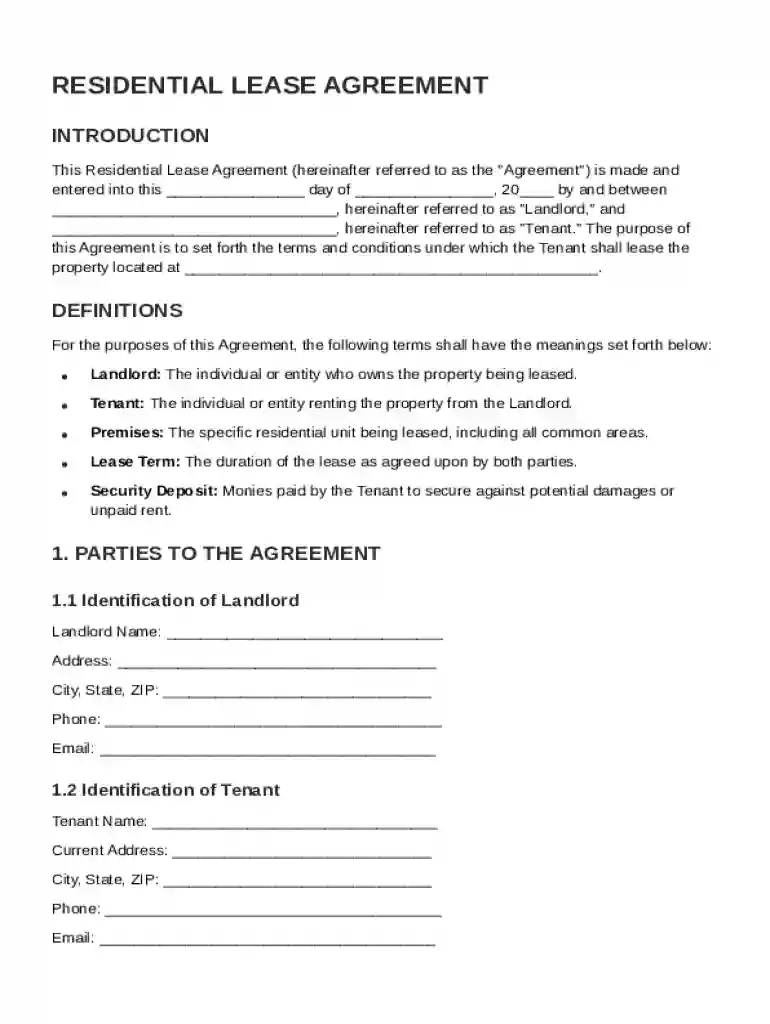
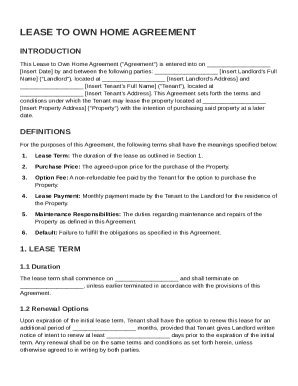
The Residential Lease Contract Template serves as a comprehensive document outlining the terms and conditions of a lease agreement between a landlord and a tenant. It is designed to formalize the rental relationship, providing clarity on each party's rights and responsibilities. Key aspects often covered include the property description, lease duration, rent payment details, security deposit requirements, maintenance responsibilities, and termination procedures. This template is an essential tool for ensuring both the landlord and tenant have a clear understanding of their obligations, reducing the potential for disputes.
Key Elements of the Residential Lease Contract Template
The Residential Lease Contract Template contains several vital components essential for establishing a solid legal understanding between involved parties:
- Identification of Parties: Clearly states the names and contact information of both the landlord and the tenant.
- Property Description: Provides a detailed description of the rental property, including its address and any unique features or furnishings.
- Lease Term: Outlines the duration of the lease, specifying the start and end dates.
- Rent Payment Details: Includes information on the monthly rent amount, payment due date, and accepted payment methods.
- Security Deposit Requirements: Describes the amount of the security deposit, conditions for its return, and how it will be handled at the end of the lease.
- Maintenance Responsibilities: Defines the maintenance duties of both landlord and tenant, such as upkeep of the property and responsibilities for repairs.
- Utility Obligations: Specifies which utilities are those responsibility of the tenant or the landlord.
Steps to Complete the Residential Lease Contract Template
Completing a Residential Lease Contract Template requires careful attention to detail to ensure all necessary information is included:
- Review the Template: Start by familiarizing yourself with the template's structure and sections.
- Fill in Property Details: Enter the specifics of the rental property, including its address and any special features.
- Add Parties' Information: Provide the full legal names and contact details for both the landlord and tenant.
- Lease Duration: Specify the start and end dates for the lease period.
- Detail Rent Payment Terms: Indicate the rent amount, due date, and preferred payment methods.
- Include Deposit Information: Outline the security deposit details and any conditions for its return.
- Specify Maintenance Duties: List the responsibilities of both parties regarding property maintenance and repairs.
- Utility Agreements: Clearly state which utilities the tenant is responsible for.
Important Terms Related to Residential Lease Contract Template
Understanding the terminology within a lease contract is crucial for both landlords and tenants:
- Lessee: Refers to the tenant who is renting the property.
- Lessor: Indicates the landlord or property owner offering the lease.
- Premises: Describes the rental property itself, including any additional amenities or included furnishings.
- Term: The duration of the lease agreement.
- Default: Actions or omissions of either party that would constitute a breach of the agreement.
- Sublease: The act of the tenant leasing the property to another party, usually requiring the landlord's approval.
Legal Use of the Residential Lease Contract Template
The use and enforcement of a Residential Lease Contract Template are subject to state and federal laws to ensure fairness and compliance:
- Fair Housing Act Compliance: The lease must not violate the tenant's rights under the Fair Housing Act.
- Security Deposit Regulations: Most states have specific laws regulating the handling of security deposits, including the maximum allowable amount and return timeframes.
- Notice Requirements: State laws dictate how much notice must be given for lease termination or rent adjustments.
- Disclosure Requirements: Landlords are often required to disclose specific information, such as the presence of lead-based paint in older properties.
Examples of Using the Residential Lease Contract Template
The Residential Lease Contract Template is versatile, used in numerous scenarios:
- Single-Family Homes: Between an individual landlord and a tenant interested in leasing a house for residential use.
- Apartment Rentals: Contracts between management firms and tenants for renting units within a multi-family complex.
- Vacation Rentals: Short-term leases for properties used for temporary lodging.
- Room Rentals: Agreements for leasing individual rooms within a shared housing arrangement.
State-Specific Rules for the Residential Lease Contract Template
State laws can significantly impact the content and enforcement of lease contracts, necessitating careful consideration of:
- Rent Control: Some states or cities have laws limiting how much rent can be increased during a lease.
- Eviction Procedures: Vary by state, influencing how landlords can legally remove tenants who fail to comply with lease terms.
- Security Deposit Laws: States have different rules regarding deposit limits and return requirements.
- Lease Termination Laws: Certain states require landlords to provide specific notice periods for terminating a lease or altering terms.
Why Should You Use a Residential Lease Contract Template
Utilizing a Residential Lease Contract Template offers numerous advantages:
- Legal Protection: A properly completed lease provides a legally binding framework outlining rights and obligations.
- Clarity and Transparency: Both parties have a clear understanding of terms, reducing potential disputes.
- Customization: Templates can be tailored to specific needs, ensuring they address unique circumstances or state-specific requirements.
- Efficiency: Simplifies the drafting process, making it easier and quicker to finalize agreements.
By leveraging these content structures, individuals and organizations involved in residential leasing can ensure both compliance with legal requirements and the smooth management of landlord-tenant relationships.