






Definition & Meaning
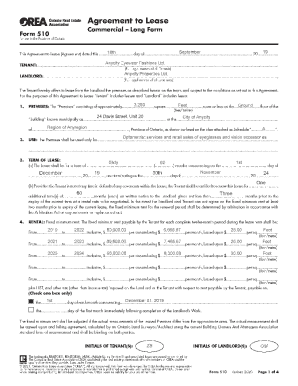
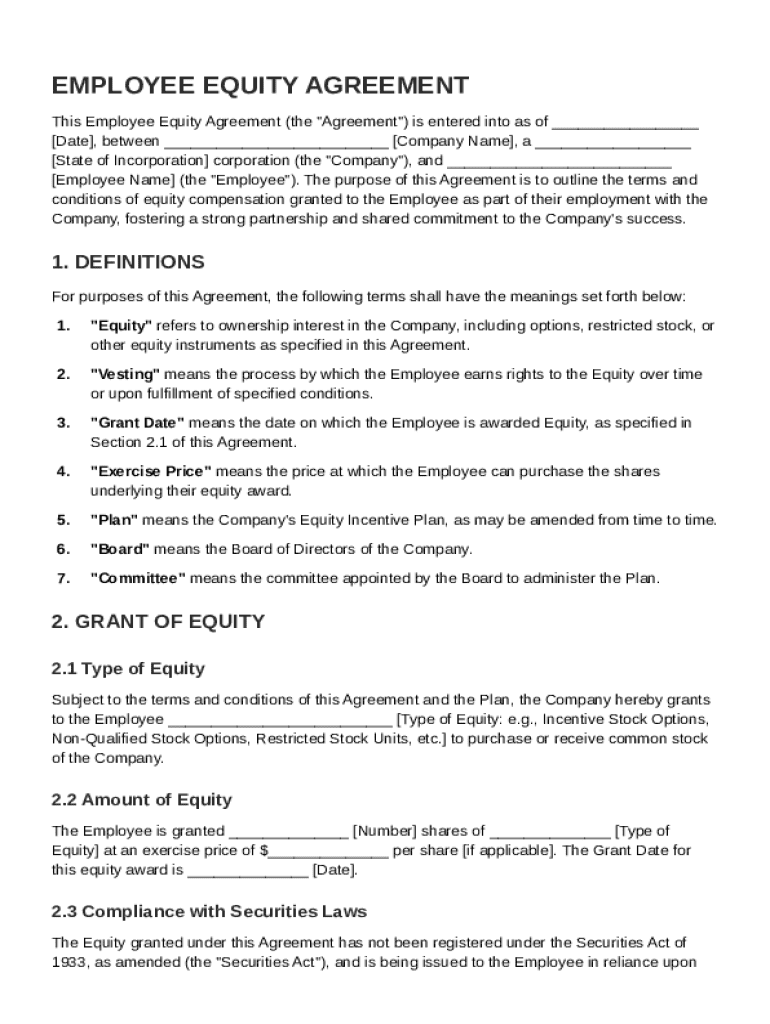
An Employee Equity Agreement Template is a legal document that outlines the terms and conditions under which a company grants equity compensation to its employees. Equity compensation can include stock options, restricted stock units (RSUs), or other forms of equity to incentivize employees and align their interests with the company's success. The agreement typically defines key terms such as 'Equity,' 'Vesting,' 'Exercise Price,' and others, ensuring both parties understand their rights and obligations.
Key Elements of the Employee Equity Agreement Template
The Employee Equity Agreement Template generally includes several critical components. Among them, the vesting schedule dictates the timeline over which the employee earns ownership of the awarded equity. The exercise methods detail how the employee can exercise their options, whether through cash, stock swaps, or cashless exercises. Additionally, shareholder rights clarify the employee's entitlements, such as voting rights or dividend distributions. The agreement also highlights tax implications related to equity compensation and the effects of employment termination on awarded equity.
Important Terms Related to Employee Equity Agreement Template
Understanding the specialized terminology used within the Employee Equity Agreement Template is essential. Terms like 'Equity' refer to the ownership interest in the company, typically in the form of company stock. 'Vesting' indicates the period over which employees gain full ownership of their equity. The 'Exercise Price' is the cost at which employee stock options can be purchased. Each term carries specific legal and financial implications that must be acknowledged by both the employee and the company to prevent misunderstandings.
Steps to Complete the Employee Equity Agreement Template
-
Review the Template: Carefully review all sections of the agreement to ensure full understanding of the terms.
-
Personal Information: Input the employee's personal and employment details, including name, position, and start date.
-
Specify Equity Details: Outline the type of equity compensation, number of shares or options, and the vesting schedule.
-
Review Vesting Terms: Confirm the vesting timeline and any conditions that could accelerate vesting.
-
Sign and Dated by Both Parties: Both the employee and a company representative must sign and date the agreement to make it effective.
Who Typically Uses the Employee Equity Agreement Template
The Employee Equity Agreement Template is primarily used by companies looking to offer equity compensation as part of their employment package. This includes startups, where cash flow might be limited, and established corporations that wish to motivate and reward key employees. Human resources departments or legal teams within these companies often handle the creation and management of these agreements to ensure compliance with applicable laws and internal policies.


Legal Use of the Employee Equity Agreement Template
The agreement template should comply with relevant state and federal regulations to be legally binding. The legal use involves ensuring that the terms adhere to securities laws and that the rights and obligations defined in the agreement do not violate employment legislation. It often includes confidentiality clauses and adheres to specific state laws that govern employer-employee agreements, particularly regarding ownership of company stock.
IRS Guidelines
The Internal Revenue Service (IRS) provides guidance on how equity compensation is taxed. For instance, stock options may be taxed at the time of exercise or sale, depending on the type of option. It is crucial for both the employer and employee to understand these guidelines to avoid unexpected taxes and comply with reporting requirements. Consulting with a tax professional can help in navigating complex tax scenarios related to equity compensation.
Software Compatibility
DocHub's platform supports the easy handling and editing of the Employee Equity Agreement Template. It is compatible with various file formats, such as PDF, DOC, and XLS, ensuring that users can integrate it seamlessly with platforms like Google Workspace, Dropbox, and OneDrive. This compatibility facilitates collaboration and ensures that amendments to the template can be made without technical issues, maintaining document integrity across different devices and operating systems.