01. Edit your know your customer form online
Type text, add images, blackout confidential details, add comments, highlights and more.

Type text, add images, blackout confidential details, add comments, highlights and more.

Draw your signature, type it, upload its image, or use your mobile device as a signature pad.

Send know your customer form via email, link, or fax. You can also download it, export it or print it out.
A Know Your Customer (KYC) form is an essential document used by businesses and financial institutions to verify the identity of their clients. The form collects personal and financial information, such as a client’s name, contact details, date of birth, and identification documents, ensuring compliance with legal regulations and anti-money laundering laws. Typically, these forms are used by customs house agents, banks, insurance companies, and other organizations required to comply with KYC guidelines.
KYC forms play a critical role in preventing fraud, money laundering, and other forms of financial crime. By mandating that businesses collect comprehensive identification details from clients, KYC forms help institutions trace transactions back to the responsible parties, fostering transparency and security in financial transactions.
Completing a KYC form involves several steps designed to accurately capture necessary client information.
Gather Essential Information: Start by obtaining the client's full name, address, date of birth, and contact details. Some forms may also request employment details or financial status to assess risk exposure.
Select and Validate Identification Documents: Typically, two forms of identification are required. Commonly accepted documents include passports, driver's licenses, and social security cards. Ensure these documents are current and legible.
Fill in the Form: Enter all gathered information accurately into the KYC form. Double-check entries for any inaccuracies or missing data.
Review and Sign: Once all information is filled out, both the business representative and the client should review the form for accuracy. The client must sign to verify the information provided.
Submit the Form: Follow submission guidelines, which may involve online upload, sending via mail, or submitting in-person at a designated office.
A standard KYC form includes several critical sections:
These elements ensure that all necessary information is captured for thorough vetting.
The KYC form is primarily used for legal compliance regarding customer verification and anti-money laundering measures. It ensures businesses adhere to regulations set by governing financial bodies and assists in auditing processes. Non-compliance with KYC regulations can lead to significant legal penalties, including fines and sanctions.
KYC forms are widely utilized across different sectors. Organizations that commonly require KYC forms include:


Each of these sectors relies on KYC forms to ensure they know their clients, thereby mitigating risk and enhancing security.
Businesses can access KYC forms through several means:
These multiple access points ensure that businesses and clients can readily complete their KYC obligations.
For businesses leveraging technology, KYC forms can be integrated with document management and financial software including:
Integration with these platforms facilitates seamless processing and storage of KYC data, enhancing workflow efficiency and data management.
KYC forms are available in both digital and paper formats, each offering distinct advantages:
Both formats are designed to meet different client needs and preferences.
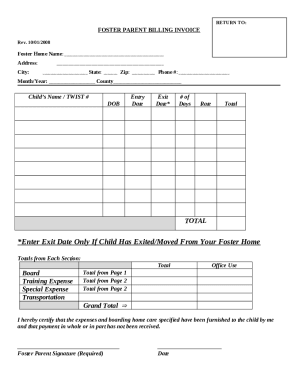
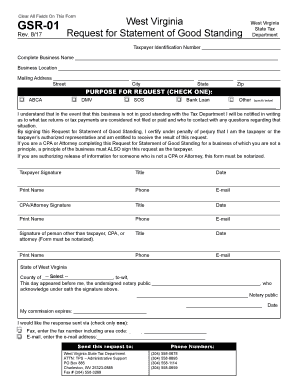
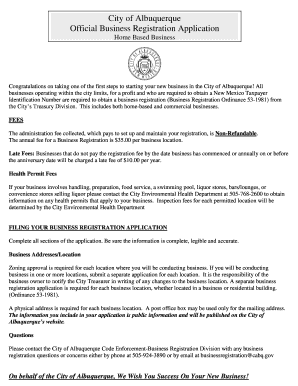
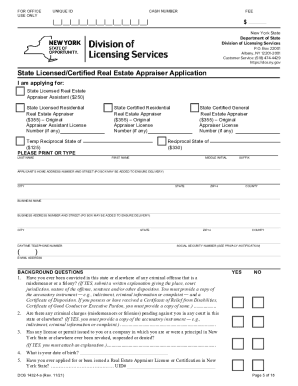
We've got more versions of the know your customer form form. Select the right know your customer form version from the list and start editing it straight away!
| Versions | Form popularity | Fillable & printable |
|---|---|---|
| 2010 | 4 Satisfied (26 Votes) |
At DocHub, your data security is our priority. We follow HIPAA, SOC2, GDPR, and other standards, so you can work on your documents with confidence.