
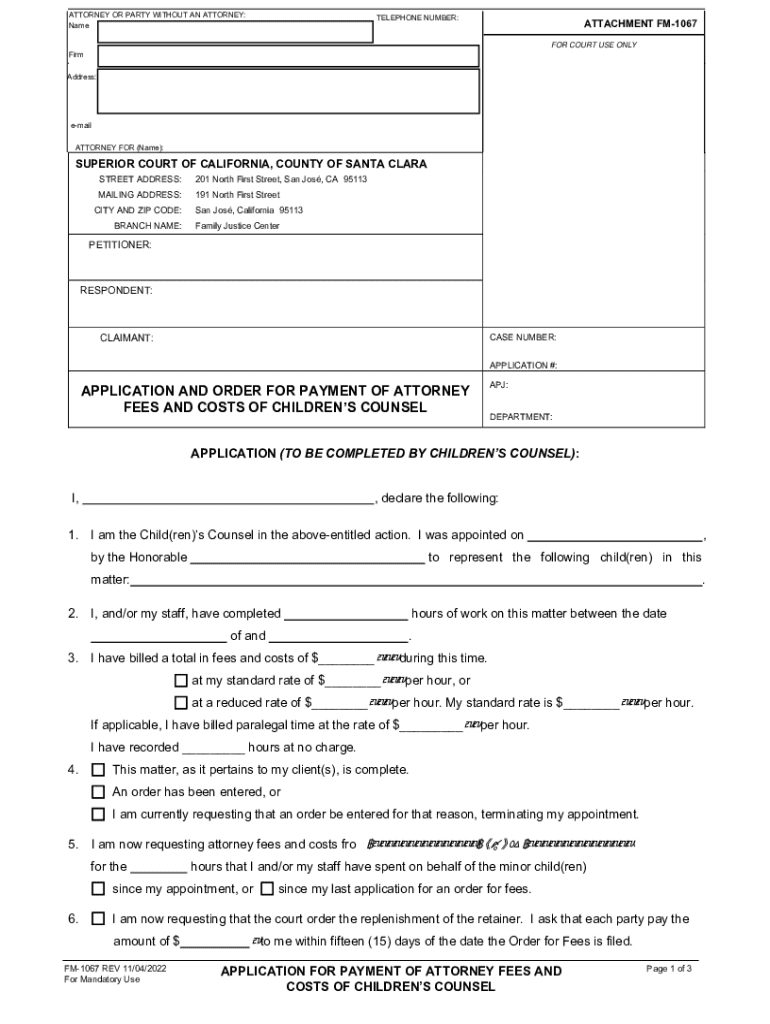







Definition & Meaning
The "Court Telephone Numbers and Email Addresses" form serves as a centralized resource for individuals seeking contact information for various courts within the U.S. Judicial system. This form typically includes direct lines and email contacts for inquiries related to court procedures, case updates, and court services. By consolidating this information, it aids in efficient communication between the courts and the public, legal professionals, or parties involved in a legal case.
How to Use the Court Telephone Numbers and Email Addresses
Understanding how to effectively use the court's contact information is crucial for timely legal communication:
- Accessing Information: Utilize the form to locate relevant court telephone numbers and email addresses. This helps in directing your inquiries precisely to the appropriate department or court official.
- Purpose of Contact: Identify the nature of your query. Whether it's regarding a case status, filing deadlines, or understanding court procedures, having clarity on your purpose enhances the interaction efficiency.
- Communicating Clearly: When contacting via phone or email, provide clear and concise information. Include your case number if applicable, your contact details, and specific questions or requests.
How to Obtain the Court Telephone Numbers and Email Addresses
Securing access to the court's contact details involves several methods:
- Official Court Websites: Most courts have a dedicated section on their websites providing up-to-date contact information.
- Legal Directories: Platforms like local government directories and legal aid networks often list court contact details.
- In-Person Visits: Visiting a court clerk's office can also provide direct access to this information, especially when digital resources are unavailable.
Steps to Complete the Court Telephone Numbers and Email Addresses
Steps to utilize the form effectively involve:
- Identify the Relevant Court: Determine which court or division your matter pertains to (e.g., family court, civil court).
- Locate the Form: Access the form from reliable sources such as the court's official website or through local legal directories.
- Record Contact Information: Ensure you accurately note the telephone numbers and email addresses for future reference.
- Verify Details: Double-check the information, especially if obtained from secondary sources, to avoid miscommunication.
Who Typically Uses the Court Telephone Numbers and Email Addresses
Several groups benefit from using this form:
- Legal Professionals: Lawyers and their assistants frequently need these contacts for case management.
- Citizens and Defendants: Individuals involved in legal proceedings may require direct court communication for inquiries and submissions.
- Researchers and Journalists: Professionals seeking information on court operations or specific cases.


Key Elements of the Court Telephone Numbers and Email Addresses
Recognizing critical components of the form ensures efficient use:
- Court Name and Location: Ensures you are contacting the correct jurisdiction.
- Specific Department Contacts: Phone numbers and email addresses for various departments like records, filings, or jury duty inquiries.
- Operational Hours: Knowing when courts are operational helps in planning calls or visits effectively.
State-Specific Rules for the Court Telephone Numbers and Email Addresses
Each state may have specific regulations on how court contact information is disseminated:
- Accessibility: Some states may provide more detailed contact listings, including extensions and direct emails.
- Privacy Regulations: There might be restrictions on the dissemination of certain contact details to protect privacy.
- Variability in Availability: The comprehensiveness of contact information may vary depending on state budgets and resources.
Form Submission Methods (Online / Mail / In-Person)
Depending on how one prefers or is able to access this form, there are different methods available:
- Online Access: Most convenient and up-to-date, usually available through official court websites.
- Mail: Some jurisdictions offer to send this information via mail upon request.
- In-Person Pickup: Direct retrieval from a court office could be necessary for those without digital access.
By understanding these aspects, users can make informed decisions and communicate effectively with the courts. This ensures that interactions are smooth and any legal matters are attended to accurately and efficiently.




