






Definition & Meaning
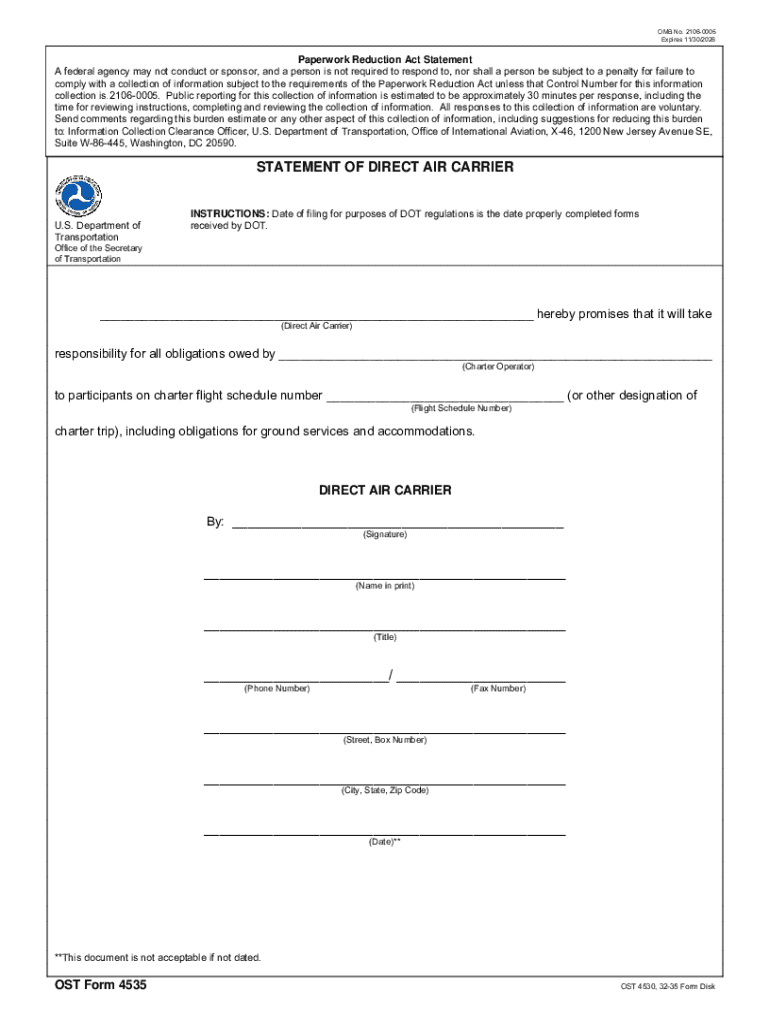
The time for reviewing instructions, completing and reviewing the collection of information refers to the estimated period required for an individual to fully understand and accurately complete a particular document or form. It encompasses reading through detailed instructions, filling out necessary sections, and verifying the provided information for accuracy. This time allocation is vital for ensuring that the data submitted is correct and complies with relevant guidelines or legal standards.
- Understanding the Instructional Component: This part involves thoroughly reading any guidance or directives that accompany the form. It's essential to ensure that all instructions are clear and comprehensible before proceeding with the form.
- Form Completion Time: This duration varies depending on the complexity of the form and the amount of information required. Users should allocate sufficient time to provide accurate and complete data.
- Review Process: After filling out the form, reviewing the information is crucial to catch any errors or omissions. This final check aids in maintaining the integrity of the data submitted.
Key Elements of the Time for Reviewing Instructions
Understanding the components that make up the time for reviewing instructions, completing and reviewing the collection of information is essential for efficient form completion. These elements can vary slightly based on the form's purpose and requirements.
- Instructions Overview: Ritualize the guidance as a step-by-step approach, making it easier to follow.
- Information Collection: Identify and gather all necessary documents or data beforehand, ensuring a smoother completion process.
- Verification Criteria: Ensure that all fields are filled correctly and any supporting documents meet the specified criteria.
- Compliance Checklist: Use a checklist to verify all components are compliant with the necessary rules or regulations.
Steps to Complete the Time for Reviewing Instructions
Filling out forms accurately demands a methodical approach. Below are the detailed steps to effectively manage your time for reviewing instructions, completing and reviewing the collection of information.
- Read the Instructions Thoroughly: Carefully go through the entire set of instructions before starting. Note any unclear areas for further clarification.
- Gather Required Information: Compile any necessary data or documents you will need to reference as you complete the form.
- Complete the Form: Enter your information carefully, double-checking each entry before proceeding to the next section.
- Review Your Entries: Systematically check each section for accuracy. Compare entered data with source documents.
- Submit the Form: Once verified, complete the submission process through the designated method, whether online, by mail, or in person.
Who Typically Uses the Time for Reviewing Instructions
Various individuals and organizations may engage in time for reviewing instructions, completing and reviewing the collection of information based on necessity.
- Individuals: Anyone completing legal documents, tax forms, or applications may need to allocate time for understanding and verifying instructions.
- Businesses: Businesses often require members of their finance or HR departments to accurately complete documents to maintain compliance.
- Educational Institutions: Staff members may need to fill out forms related to grants, student admissions, or regulatory filings.
- Government Agencies: Personnel are frequently required to complete documentation for reporting or compliance purposes.


Why Should You Time for Reviewing Instructions
Allocating sufficient time for reviewing instructions, completing and reviewing the collection of information ensures several advantages:
- Accuracy: Allowing enough time helps prevent errors that can lead to processing delays or penalties.
- Compliance: Carefully following instructions ensures all legal and procedural requirements are met.
- Efficiency: By understanding the process thoroughly, time spent on revisions or corrections is minimized.
- Professionalism: Complete and accurate forms reflect well on the individual or organization submitting them.
Legal Use of the Time for Reviewing Instructions
Time for reviewing instructions, completing and reviewing the collection of information serves functions that extend into legal obligations and compliance.
- Regulatory Compliance: Many forms are legally binding, meaning attention to detail is crucial to meet all regulatory requirements.
- Penalty Avoidance: Errors in form completion can result in legal penalties or fines, stressing the need for thorough review and understanding.
- Documentation: Maintaining records of time spent and processes followed can serve as legal evidence in compliance audits or reviews.
Examples of Using the Time for Reviewing Instructions
Time for reviewing instructions, completing and reviewing the collection of information can vary based on context. Examples include:
- Tax Filings: Individuals might spend time reviewing IRS instructions to correctly complete their tax returns.
- Legal Documents: Lawyers and clients review contracts meticulously to ensure every detail is captured and understood.
- Grant Applications: Applicants spend considerable time preparing detailed submissions to align with funding requirements.
Important Terms Related to Time for Reviewing Instructions
Several terms are frequently associated with the time for reviewing instructions, completing and reviewing the collection of information. These terms help clarify the process and expectations.
- Form Instructions: Detailed guidelines provided to assist users in completing the form.
- Submission Deadline: The date by which all forms must be submitted to avoid penalties or disqualification.
- Supporting Documentation: Additional papers required to substantiate claims or entries on the form.
- Validation Process: Steps taken to confirm the authenticity and accuracy of information provided.