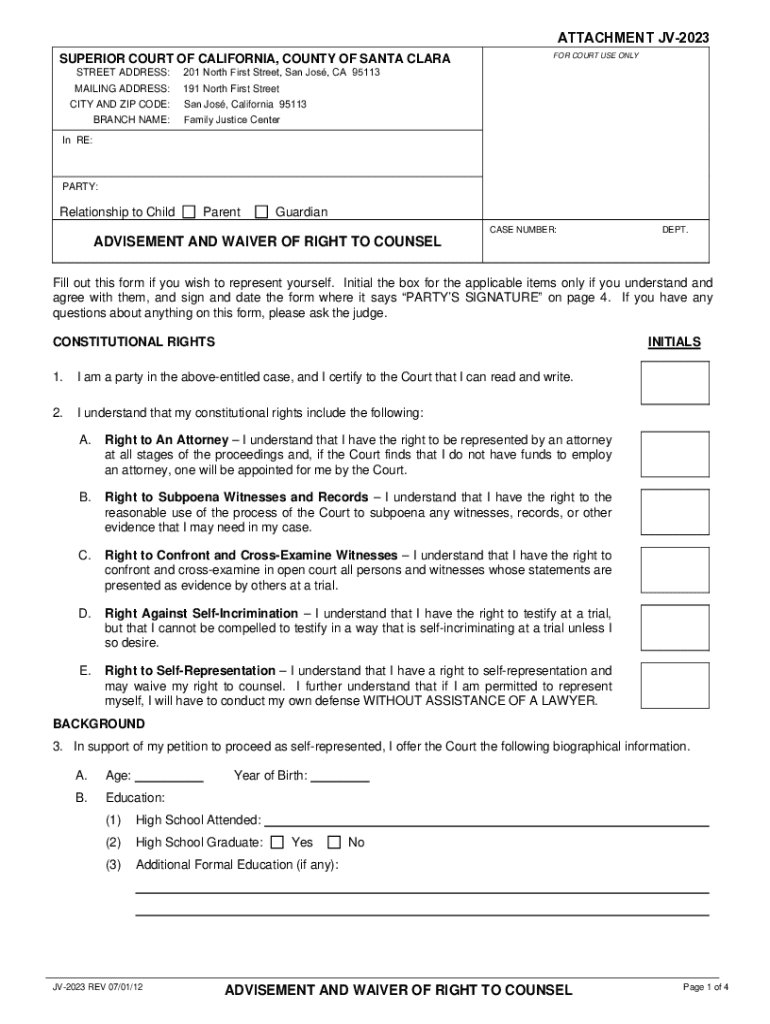







Definition & Purpose of Complete Forms at HomeSuperior Court of California
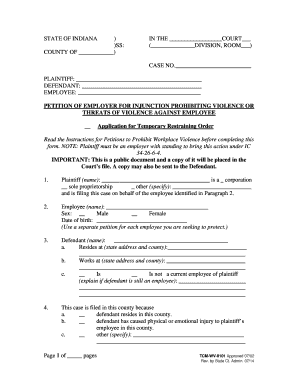
The "Complete Forms at HomeSuperior Court of California" refers to a set of legal documents used within the judicial system of California, specifically dealing with matters under the jurisdiction of the Superior Court. Primarily designed to facilitate individuals in filling out necessary legal forms from the comfort of their home, this process allows for greater accessibility and efficiency in handling court-related matters. These forms pertain to various court proceedings, such as family law, civil cases, or probate issues, and are crucial in ensuring that all parties involved adhere to legal guidelines and documentation requirements.
Individuals are granted the opportunity to understand their legal obligations, rights, and procedures through these forms, which are crafted to cover multiple judicial processes. The forms are standardized to ensure they meet California's legal requirements and are typically used to represent an individual's stance or request in a court of law. Understanding the significance of these forms can aid in navigating legal proceedings effectively.
Steps to Complete the Forms
To successfully complete the forms for the Superior Court of California from home, follow these steps:
-
Access the Forms:
- Visit the official website of the Superior Court of California or utilize platforms like DocHub for electronic versions.
- Identify and select the applicable form relevant to your legal requirement or court case.
-
Understand the Instructions:
- Each form includes specific instructions detailing the required information and how to present it.
- Carefully read through these guidelines to ensure accurate completion.
-
Gather Required Information:
- Collect all necessary documentation and information needed to fill the form, such as personal details, legal case numbers, and any evidence needed to support your case.
-
Fill Out the Form:
- Use a detailed approach to input all required information within the specified fields.
- Ensure that no section is left incomplete unless the instructions specify otherwise.
-
Review and Verify:
- Double-check all entries for accuracy and completeness.
- Confirm that all necessary signatures and initials are included if required.
-
Submit the Form:
- Decide on the submission method, which can be via mail, online, or in-person, based on the options available and your personal convenience.
- Adhere to submission deadlines and additional court filing fees if applicable.
Importance of Completing Forms at Home
There are several advantages to completing court forms at home, providing convenience and flexibility to individuals involved in legal proceedings:
-
Accessibility: Allows individuals to complete necessary legal forms without traveling to the courthouse, saving time and resources.
-
Convenience: Offers the ability to carefully consider and input accurate information at one's own pace.
-
Cost-Effective: Reduces potential costs associated with visiting legal advisors or law offices to prepare forms.
Completing forms at home is particularly beneficial for those with limited mobility or those residing far from the nearest courthouse, promoting broader access to the legal system.
Who Typically Uses These Forms?
These forms are commonly used by various individuals involved in legal procedures within California:
-
Self-Represented Litigants: Those opting to handle their legal matters without a lawyer find these forms essential in representing themselves effectively.
-
Legal Professionals: Attorneys utilize these forms to submit standardized documentation for their clients, working to ensure compliance with court requirements.
-
Individuals in Family Law Disputes: People dealing with divorce, custody, or child support issues frequently use these forms to formalize their dealings with the court system.
Understanding the diverse user base of these forms highlights their essential role in ensuring all stakeholders can engage with the legal process comprehensively.


State-Specific Rules for Form Completion
California-specific regulations govern the completion and submission of these forms:
-
Standardized Formats: The forms must be filled out according to state-prescribed formats to ensure uniformity and legal validity.
-
Compliance with California Law: The content within these forms should align with the legal standards and statutes of California, adjusting as legislative changes occur.
-
Language Requirements: While English is commonly used, California laws provide accommodations for non-English speakers, including access to translated materials or interpreter services.
Being aware of these state-specific elements ensures that individuals complete and submit their forms correctly and legally.
Legal Use & Implications
Understanding the legal implications of these forms is crucial:
-
Binding Nature: Once submitted, the forms carry a binding implication, meaning the information provided is legally recognized in court proceedings.
-
Adherence to Protocols: Failure to accurately complete and submit forms can result in delays or dismissals of legal proceedings.
-
Verification and Authenticity: The court may require additional documentation to verify the information provided, emphasizing the importance of truthfulness and transparency.
Key Elements within Form Completion
Key elements must be handled with care to ensure effective form completion:
-
Identification Information: Accurately provide all personal and contact details, ensuring alignment with any previously submitted court information.
-
Case Details: Include correct legal case numbers and descriptions to facilitate proper court handling.
-
Attachments and Evidence: Attach all supporting documents that the form requires to build a complete submission package.
Software Compatibility for Digital Submission
Completing these forms electronically is facilitated by software compatibility features:
-
Online Editing Platforms: Utilize tools like DocHub to edit and sign forms electronically, ensuring conformity with digital submission standards.
-
Cloud Integration: Connect with platforms like Google Drive for seamless import and export of documents.
-
Mobile Access: Use compatible mobile applications to complete and submit forms without needing print access.
By understanding the critical aspects surrounding the completion of these forms for the Superior Court of California, individuals can ensure their legal interactions are accurate, efficient, and compliant with state laws.