




01. Edit your form online
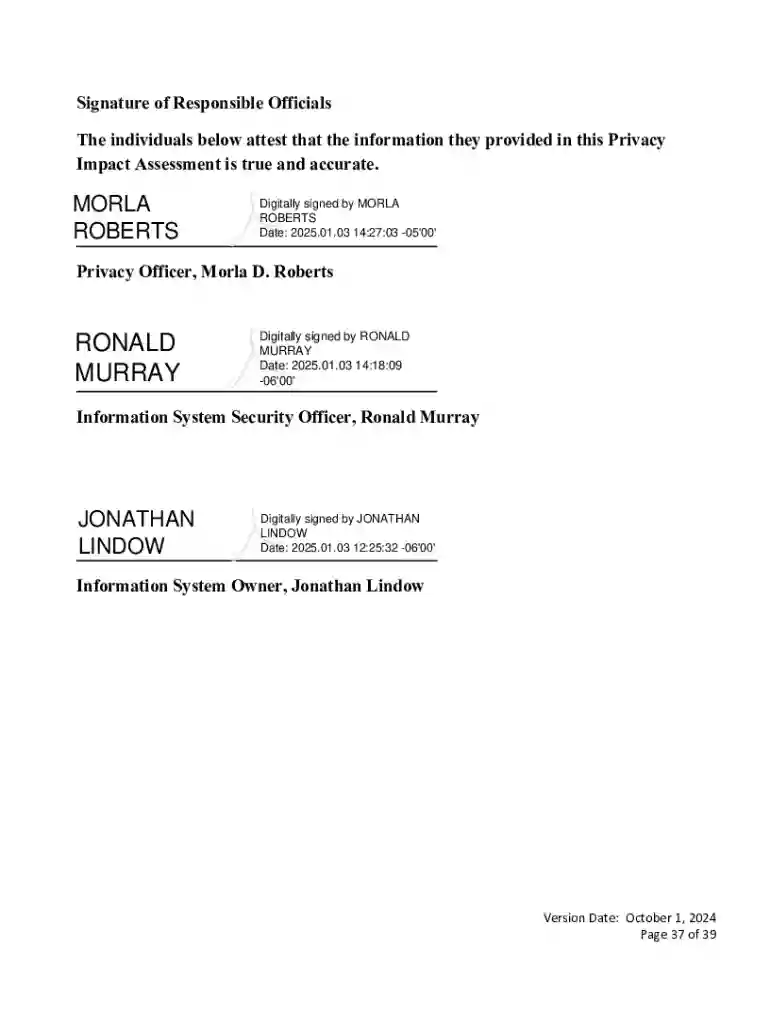
Type text, add images, blackout confidential details, add comments, highlights and more.

Type text, add images, blackout confidential details, add comments, highlights and more.

Draw your signature, type it, upload its image, or use your mobile device as a signature pad.

Send it via email, link, or fax. You can also download it, export it or print it out.
The Non-Community Care Network (Non-CCN) primarily serves as an IT system managed by the Veterans Affairs Central Office, where its purpose is to efficiently process medical claims. This system leverages the Electronic Claims Adjudication and Management System (eCAMS) to handle sensitive data, ensuring compliance with privacy regulations and security measures that protect the personal information of veterans and the general public. Understanding the role and intricacies of this network helps stakeholders appreciate its contribution to medical claims processing.
Utilizing the Non-Community Care Network involves navigating its framework to process medical claims effectively. The network's functionalities are tailored to support the completion of claims, from initial submission to final adjudication. Users need to be familiar with its systems to maximize efficiency and accuracy when handling claims. This involves understanding data entry protocols, securely accessing veterans' information, and ensuring all submitted claims comply with outlined procedures and privacy standards.
Gaining access to the Non-Community Care Network is a structured process that involves authorization through proper channels to maintain system security. Typically, this requires an application to the Veterans Affairs Central Office, where necessary credentials and permissions are assigned. Ensuring that users have the legitimate rights to engage with the system is essential for maintaining data integrity and protecting sensitive information throughout the claims process.
Following these steps ensures adherence to procedural standards and minimizes errors during the claims management process.
The importance of the Non-Community Care Network lies in its capability to streamline complex medical claims processing. By centralizing and automating claim operations, it enhances operational efficiencies within the Veterans Affairs department, reduces processing times, and ensures that claims are processed accurately and securely. This, in turn, leads to timely settlements and an improved experience for veterans using these benefits.
Understanding these components is crucial for users who interact with the system to enhance their operational effectiveness and maintain compliance.
The legal framework for the Non-Community Care Network is designed to safeguard veterans' data while ensuring compliance with privacy and security regulations. This includes adherence to the Privacy Act, which governs the handling of personal information, thus ensuring that all processes within the network meet legal standards. Understanding the legal requirements is imperative for maintaining the integrity and credibility of the Non-CCN.
Consider scenarios where veterans need to file medical claims for reimbursement. Using the Non-Community Care Network, claims are processed more efficiently. For instance, a veteran submitting a claim for treatment received at a non-VA facility will go through the eCAMS system, where processing can be completed without requiring paper submissions. This exemplifies the network's role in streamlining access to medical benefits while reducing administrative burdens.
State-specific regulations can impact how the Non-Community Care Network operates, primarily due to variations in state laws concerning medical claims and data protection. Understanding these distinctions is crucial for users who manage claims across different jurisdictions, as compliance with both federal and state regulations ensures that claims are processed smoothly and legally in all areas.
We've got more versions of the Non-Community Care Network form. Select the right Non-Community Care Network version from the list and start editing it straight away!
| Versions | Form popularity | Fillable & printable |
|---|---|---|
| 2024 | 4.6 Satisfied (37 Votes) |
At DocHub, your data security is our priority. We follow HIPAA, SOC2, GDPR, and other standards, so you can work on your documents with confidence.






Jul 6, 2026 CCN is made up of five regional networks of community providers that are managed by third-party administrators (TPAs) on behalf of VA. OptumRead more
A new benefit provides eligible Veterans with access to non-emergency care for certain conditions in the VA network of community providers.


