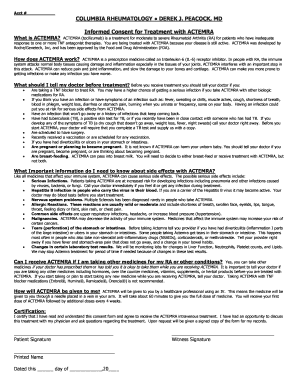
Definition and Meaning of a Patient Questionnaire Template
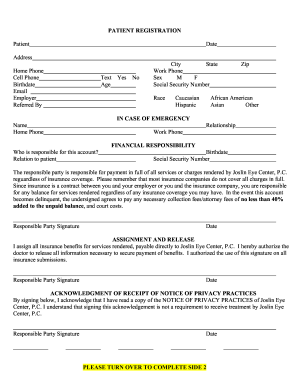
A patient questionnaire template is a structured form used by healthcare providers to gather vital information about patients' medical history, symptoms, and other health-related data. This template plays an essential role in the clinical process, providing an organized way to capture and assess patient data efficiently. The design of the template ensures that healthcare professionals collect comprehensive information crucial for evaluating patient needs, diagnosing potential health conditions, and devising appropriate treatment plans.
- Purpose of Use: Helps in attaining an in-depth understanding of the patient's health background, current symptoms, and lifestyle factors that influence healthcare decisions.
- Data Collection: Includes sections for general health history, specific symptoms, family medical history, and social and occupational details.
- Medical Relevance: Enables early detection of underlying conditions and assists in preventing complications by providing doctors with an analytical framework of patient health.
Steps to Complete the Patient Questionnaire Template
Filling out the patient questionnaire template involves several organized steps that ensure accuracy and completeness. Here is a systematic approach to effectively complete a patient questionnaire template:
-
Personal Information: Begin by entering basic data such as name, date of birth, contact information, and insurance details. This section is fundamental for patient identification and subsequent administrative tasks.
-
Medical History: Provide a detailed account of past and present medical conditions, surgeries, allergies, and ongoing treatments. This helps healthcare providers to spot patterns and potential health risks.
-
Current Symptoms: List any current symptoms or health concerns. Efforts should be made to describe symptoms clearly, including their duration, severity, and triggering factors, which will help in accurate diagnosis.
-
Lifestyle and Social History: Information about lifestyle choices such as diet, exercise, smoking, and alcohol consumption is crucial for a holistic understanding of health influences and risks.
-
Family Medical History: Document any known medical conditions prevalent in the immediate family. This section helps to identify hereditary health risks which might require preventive measures.
-
Review for Completeness: Ensure all sections are filled out before submitting the form to avoid missing vital information that might impede effective medical assessment.
Key Elements of the Patient Questionnaire Template
The patient questionnaire template is comprehensive and includes several essential elements designed to gather relevant health information effectively. Key components often found in these templates include:
-
Demographic Information: Collects age, gender, and ethnicity, which are significant in assessing risk factors for certain diseases.
-
Symptoms Checklist: Often provided to allow patients to quickly identify and communicate common symptoms and issues effectively.
-
Medication Record: Captures prescribed and over-the-counter medications, including dosages and frequency, to prevent adverse drug interactions.
-
Health Habits: Queries about nutritional habits, sleep patterns, and exercise routines contribute to creating a complete health risk profile.
-
Psychosocial Factors: Offers insight into stress levels, social support, and mental health, which are important for diagnosing psychosomatic symptoms or conditions.
-
Consent and Privacy Agreement: Ensures patient information is gathered legally, adhering to privacy standards like HIPAA, which safeguard the confidentiality of health information.
Legal Use of the Patient Questionnaire Template
Patient questionnaire templates must adhere to legal and ethical standards to ensure proper use of patient information:
-
Consent Requirement: Patients must give informed consent prior to filling out the questionnaire, acknowledging how their information will be used and protected.
-
Data Protection: Compliance with HIPAA regulations is critical to safeguarding patient data against unauthorized access and usage.
-
Record Keeping: Medical practitioners must use templates approved by relevant health authorities to ensure the templates meet legal requirements and can be used in audits and care evaluations.
-
Confidentiality Clauses: Templates should include a confidentiality agreement highlighting how data will be kept secure and private within the healthcare setting.
Examples of Using the Patient Questionnaire Template
The versatility of the patient questionnaire template is evident in various healthcare settings:
-
Initial Patient Visits: Provides a comprehensive foundation for clinicians during the first visit, offering essential information needed to begin the care process.
-
Telehealth Services: Facilitates the collection of patient data prior to virtual consultations, enhancing the efficiency and effectiveness of telehealth appointments.
-
Chronic Disease Management: Utilized during follow-up visits to track patient progress over time, assisting in adjusting treatment plans as required.
-
Clinical Trials: Collects consistent data from participants quickly, facilitating the analysis required in research studies.
Software Compatibility for Digital Forms
Digital versions of patient questionnaires offer added convenience and compatibility with a range of software:
-
DocHub Integration: Compatible with DocHub to allow efficient editing and real-time collaboration with healthcare personnel.
-
Cloud Services: Easily works with cloud storage services like Google Drive and Dropbox, ensuring secure storage and easy access to forms.
-
EHR Systems: Designed to integrate with Electronic Health Records systems for seamless data transfer and patient record management.
-
Mobile Applications: Developed for mobile compatibility, enabling patients to fill out forms conveniently from smartphones or tablets.
State-Specific Rules for Patient Questionnaire Template
Many regions may have specific requirements or regulations concerning medical documentation:
-
State Regulations: Some states may require additional fields or disclosures based on local health policies and regulations.
-
Standard Forms: Utilization of state-recommended standardized templates ensures compliance and consistency in patient care documentation.
-
Regional Health Concerns: In certain areas with specific prevalent health issues, templates may include additional sections relevant to local needs.
Required Documents for Completing the Template
Completing a patient questionnaire template might necessitate supporting documentation to verify the information provided:
-
Insurance Documents: Verify accurate coverage details are correctly recorded.
-
Previous Medical Records: Provide context and history in the medical conditions section, supporting current health assessments.
-
Allergy Test Results: These may be needed to accurately complete the allergy section, essential for safety in medical treatments.
-
Family Health Records: Useful for filling out family history sections when identifying hereditary diseases and conditions.
By structuring the content with clear headings and deeply exploring various aspects, this response ensures thorough coverage and utility for any individual seeking to understand or utilize a patient questionnaire template.