




01. Edit your form online
Type text, add images, blackout confidential details, add comments, highlights and more.

Type text, add images, blackout confidential details, add comments, highlights and more.

Draw your signature, type it, upload its image, or use your mobile device as a signature pad.

Send it via email, link, or fax. You can also download it, export it or print it out.
The term "form online" refers to the method of accessing, completing, and submitting various types of documents through digital platforms. This can include anything from government forms, such as tax applications, to employee onboarding documents, invoices, and contracts. Utilizing online forms allows for efficient data processing, ease of access, and streamlined document management. Online forms are available in formats compatible with digital filling and can be accessed from anywhere, enhancing the flexibility of document handling.
To effectively use an online form, first identify the specific form required, which can often be found on the website of the pertinent organization or governing body. After locating the form, download or access it through an online platform like DocHub, that allows you to edit, fill, and manage forms seamlessly. Online platforms typically offer features like text boxes for input, checkboxes for selections, and electronic signature fields for approval, making it easier to complete the necessary sections. Essential details should be filled in line with the instructions provided on the form to ensure accuracy and compliance.
Filling out forms online often involves legal implications, especially with documents like contracts and tax forms. Compliant platforms like DocHub that adhere to laws such as the ESIGN Act ensure that digital signatures are legally binding. Users should verify that all processes comply with relevant legal standards to avoid disputes. Legal use also involves understanding applicable privacy policies and consent requirements related to data usage and sharing when forms are submitted online.
While the online form may offer general guidelines, it’s often crucial to be aware that specific states might have unique requirements or variations that need to be adhered to. For instance, tax forms might have different filing dates or additional documents required in certain states. It’s advisable to verify local regulations to ensure compliance when filling out forms associated with state-level applications or legal documentation.
Online forms can often be accessed and managed through various software applications. Compatibility with platforms like Adobe Acrobat, Google Workspace, or specialized applications such as TurboTax and QuickBooks ensures the ability to download, complete, and file documents in line with specific software needs. This compatibility is crucial for handling complex forms that require specific formatting or additional computational inputs.
Understanding how to effectively leverage forms online can significantly enhance document processing efficiency and ensure compliance with necessary legal standards. It's important to comprehensively explore these forms' guidelines to maximize the benefits of online document management systems.
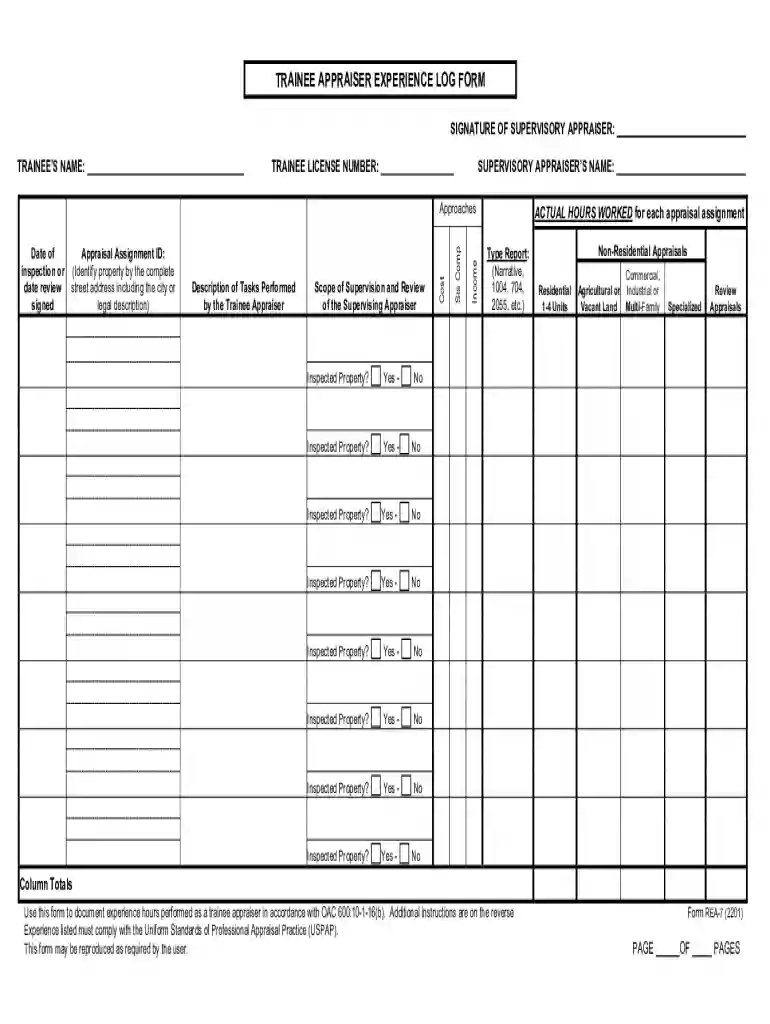
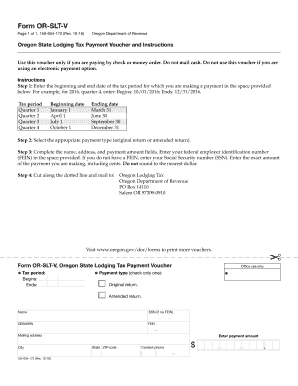
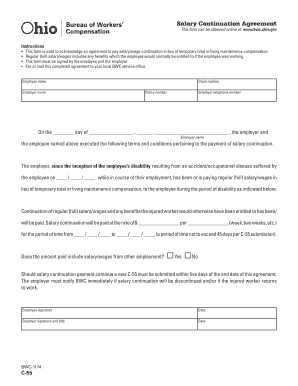
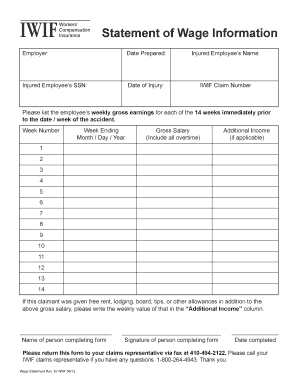
We've got more versions of the Trainee Appraiser Experience Log Form form. Select the right Trainee Appraiser Experience Log Form version from the list and start editing it straight away!
At DocHub, your data security is our priority. We follow HIPAA, SOC2, GDPR, and other standards, so you can work on your documents with confidence.



trainee maintains a log on a form prescribed by the board. (a) The log must detail all appraisals and related activities performed by the trainee.
Applicant Name: Appraiser Trainees License or. All information must be typed or printed in blue or black ink. Be sure to refer to the Appraisal Experience Log


