01. Edit your form online
Type text, add images, blackout confidential details, add comments, highlights and more.

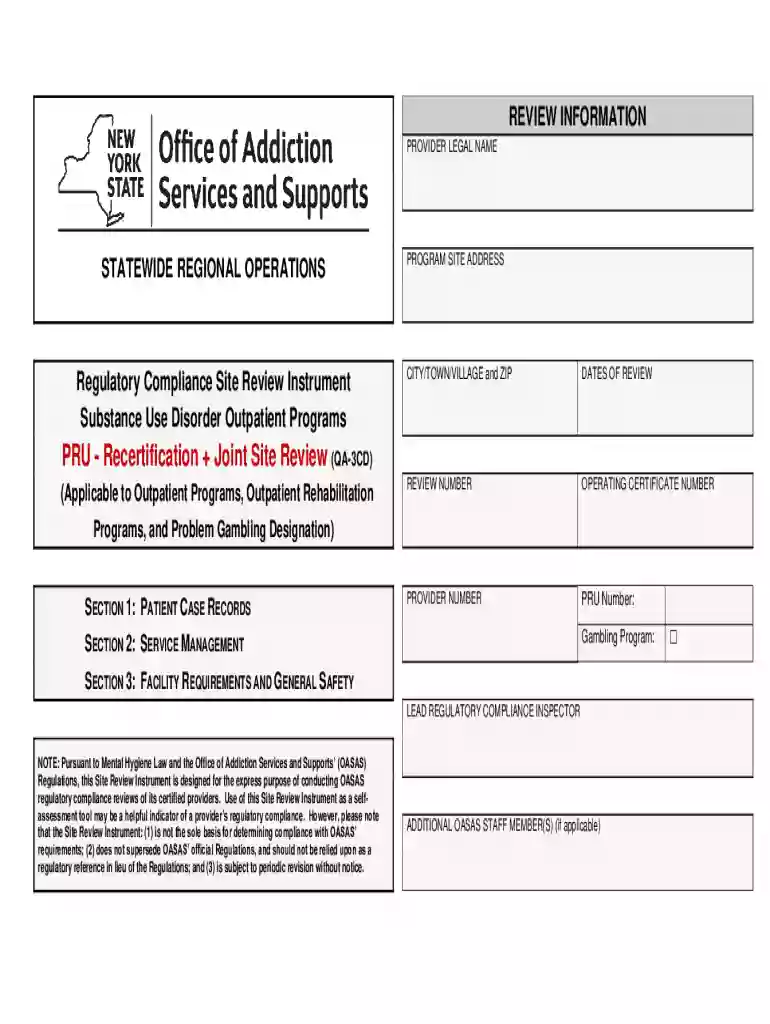
Type text, add images, blackout confidential details, add comments, highlights and more.

Draw your signature, type it, upload its image, or use your mobile device as a signature pad.

Send it via email, link, or fax. You can also download it, export it or print it out.
Telehealth and Substance Use Disorder (SUD) Services in the Era of digital technology refer to the use of telecommunication and virtual tools to deliver healthcare services to individuals dealing with substance use disorders. This approach leverages audiovisual tools and online platforms to facilitate remote consultations, counseling, and monitoring. It is designed to increase accessibility, reduce barriers to care, and deliver timely interventions, especially to those with geographical or mobility constraints. The term encapsulates a broad range of services, from initial assessments to ongoing therapy, all conducted in a virtual setting.
Telehealth services for substance use disorders are characterized by several core components that enhance their effectiveness:
These elements come together to create a comprehensive telehealth model that addresses the unique needs of individuals with substance use disorders.
The primary users of telehealth services for substance use disorders are individuals who struggle with various types of substance addictions, including alcohol, opioids, and other drugs. This service also extends to families and caregivers seeking support and information. Healthcare providers, such as addiction specialists, counselors, and mental health professionals, utilize telehealth platforms to connect with their patients. Additionally, individuals in remote or underserved areas are particularly benefitted, as telehealth removes the geographical barriers typically associated with accessing specialized healthcare.
Telehealth presents multiple advantages over traditional face-to-face services, particularly relevant in the treatment of substance use disorders:
These benefits facilitate a supportive and responsive healthcare environment, encouraging more individuals to seek the help they need.
Engaging with telehealth services for substance use disorder involves several steps:
These steps ensure that the telehealth service is tailored to each patient’s recovery journey, promoting individualized care and improving overall success rates.
Each state in the U.S. may have specific regulations regarding telehealth and substance use disorder services:
Understanding these state-specific rules ensures compliance and facilitates smoother delivery of telehealth services.
Several real-world scenarios illustrate the effective use of telehealth services in treating substance use disorders:
These examples highlight the versatility and practicality of telehealth in differing circumstances and patient needs.
The legal framework governing telehealth services in the realm of substance use disorders ensures the safety and efficacy of care provided:
These legal requirements support the integrity of telehealth services and foster trust between patients and providers.
Effective telehealth service delivery depends on using compatible software solutions that cater to the specific needs of substance use disorder treatment:
Compatibility with existing healthcare IT ecosystems, including EHRs, enhances the efficiency and seamlessness of telehealth services.
We've got more versions of the Telehealth and Substance Use Disorder Services in the Era of form. Select the right Telehealth and Substance Use Disorder Services in the Era of version from the list and start editing it straight away!
At DocHub, your data security is our priority. We follow HIPAA, SOC2, GDPR, and other standards, so you can work on your documents with confidence.