Definition & Meaning
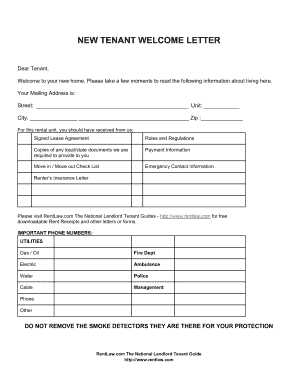
A Residential Lease-Rental Agreement and deposit receipt serve as a contractual document outlining the terms under which a tenant can occupy a rental property. This legally binding agreement is tailored specifically for residential properties, detailing elements like the security deposit, rent amount, payment schedule, and responsibilities of both tenant and landlord. This document ensures that both parties have a clear understanding of their rights and obligations, minimizing potential disputes during the tenancy period.
Key Elements of the Residential Lease-Rental Agreement and Deposit Receipt
Understanding the critical components within the Residential Lease-Rental Agreement is essential for both tenants and landlords.
- Parties Involved: Clearly defines the landlord and tenant.
- Property Description: Includes details about the rental unit, such as the address and any specific amenities or features.
- Term of Lease: Outlines the start and end dates of the lease agreement.
- Rent Details: Specifies the monthly rent amount, due date, and acceptable payment methods.
- Security Deposit: Details the amount of deposit required, conditions for its return, and situations where deductions might occur.
- Maintenance Responsibilities: Clarifies which party is responsible for specific maintenance tasks and repairs.
- Occupancy Restrictions: Limits the number of people who can reside in the unit.
- Pet Policy: States whether pets are allowed and any associated fees or restrictions.
- Termination Conditions: Explains the notice period required for ending the lease and potential fees associated with premature termination.
How to Use the Residential Lease-Rental Agreement and Deposit Receipt
Utilizing this agreement properly involves several key steps:
- Review the Document: Both parties should thoroughly review all terms and seek clarification on any confusing clauses.
- Tailor to Specific Needs: Customize sections like maintenance duties and pet policies to suit specific circumstances.
- Detail Any Agreements: Ensure all verbal agreements are documented within the written contract.
- Sign and Exchange Copies: Once both parties agree on the terms, the document should be signed, and each party should retain a copy for their records.
Important Terms Related to Residential Lease-Rental Agreement and Deposit Receipt
Understanding the specific terminology within the agreement helps prevent misunderstandings:
- Lease Term: The duration for which the rental agreement is valid.
- Breach of Agreement: Any violation of the terms set forth, which could lead to eviction.
- Joint and Several Liability: In cases of multiple tenants, this means all tenants are responsible for obligations.
- Security Deposit: A sum collected as financial protection against damages or unpaid rent.
- Quiet Enjoyment: Tenant's right to occupy without undue interference from the landlord.
Steps to Complete the Residential Lease-Rental Agreement and Deposit Receipt
Completing this document involves a step-by-step process:
- Gather Necessary Information: Collect details like tenant and landlord identities, property specifics, and agreed-upon terms for rent and security deposits.
- Fill Out the Lease Template: Utilize comprehensive editing tools such as those offered by DocHub to modify the agreement to match specific requirements.
- Review and Amend: Both parties should check the document for accuracy and make any necessary amendments.
- Sign the Document: Utilize DocHub's electronic signature capabilities to securely sign the document.
- Store Safely: Save copies on secure platforms, e.g., cloud storage, to ensure accessibility and protection.
Legal Use of the Residential Lease-Rental Agreement and Deposit Receipt
The legal enforcement of this agreement is supported by clearly defined obligations and rights:
- Legally Binding Provisions: The agreement encompasses all critical legal requirements, ensuring it stands up in court should disputes arise.
- Notice Requirements: Adheres to legal obligations regarding tenant notification for changes to the agreement.
- Housing Laws Compliance: Ensures adherence to fair housing laws and regulations related to rental properties.
State-Specific Rules for the Residential Lease-Rental Agreement and Deposit Receipt
Each U.S. state may have specific requirements that landlords and tenants must fulfill:
- Ohio-Specific Addendums: For example, the lead-based paint disclosure for properties built before 1978.
- Security Deposit Caps: Varies by state, e.g., some states limit the deposit to one month’s rent.
- Notification Periods: States like California require a 30-day notice for tenancy termination.
- Rent Control Laws: Some states have specific limits on rent increases, impacting how agreements are drafted.
Examples of Using the Residential Lease-Rental Agreement and Deposit Receipt
Practical scenarios illustrate how this document operates in real-world contexts:
- Studio Apartment in Fairborn, Ohio: A landlord and tenant agree on a lease by considering local laws, integrating addendums like utility arrangements, and specifying the responsibilities for common area maintenance.
- Shared Housing Arrangements: In cooperative living spaces, the agreement might include specifics on shared expenses, maintenance duties, and room assignments.
Software Compatibility
Using digital tools enhances accessibility and functionality:
- DocHub Integration: Allows for seamless editing and signing within the Google Workspace.
- File Format Support: Compatible with a range of formats including PDF, DOC, and XLS.
- Cloud Storage Access: The agreement can be saved and retrieved on platforms like Google Drive and Dropbox, facilitating ease of access for all parties involved.
Digital vs. Paper Version
Choosing between digital and paper versions presents different advantages:
- Digital Convenience: Facilitates easy revision, duplication, and distribution. Electronic signatures streamline the signing process.
- Paper Version Stability: Preferred for those requiring physical documentation. Ensures that technical issues do not disrupt access.
Disclosure Requirements
The agreement may require certain legal disclosures to protect tenant rights:
- Lead-Based Paint Hazards: Mandatory for older properties, protecting against health risks.
- Mold Disclosure: Advises tenants on any known mold issues and prevention steps.
- Asbestos Disclosure: Necessary where asbestos is present in building materials.
These headings and contents provide maximum utility, offering clear, in-depth insights into the Residential Lease-Rental Agreement and deposit receipt.