
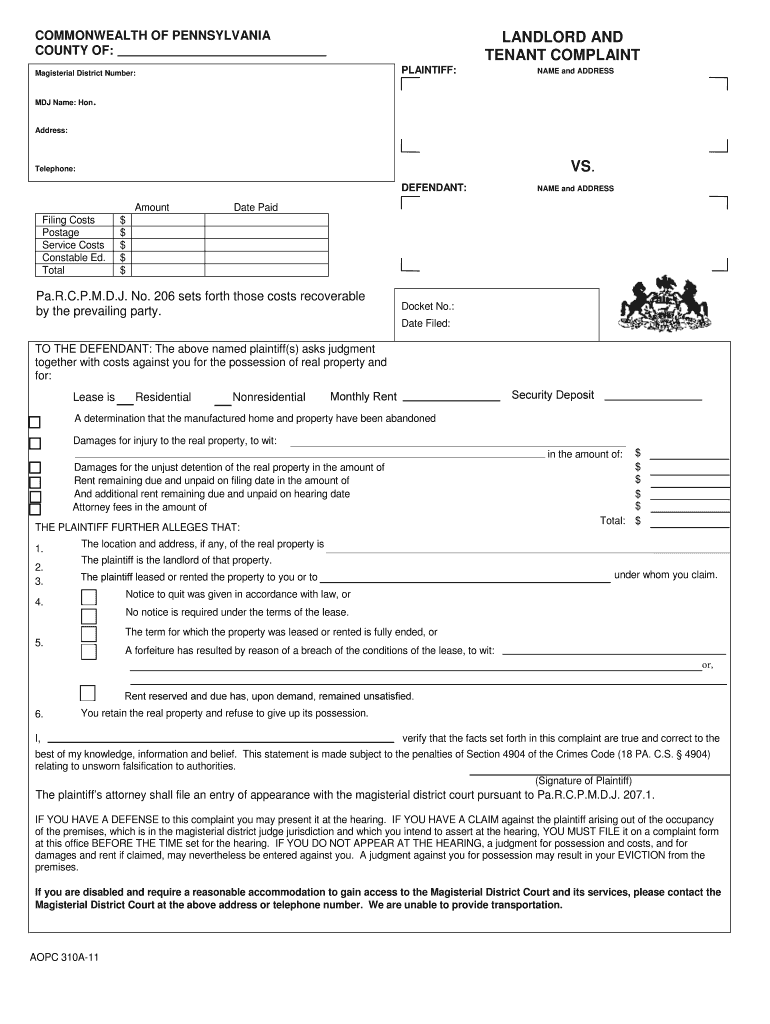







Definition & Meaning of Constable Ed
Constable Ed is a formal document used in certain legal proceedings in the United States, often related to law enforcement or judicial tasks. It serves as a tool or guide for constables, who are law enforcement officers responsible for executing the administrative tasks of a court. These tasks might include serving legal documents such as subpoenas, summonses, or court orders. Constables play a crucial role in ensuring the smooth operation of legal processes by facilitating communication between courts and individuals involved in legal proceedings.
How to Use the Constable Ed Form
To effectively use the Constable Ed form, one must first understand its role in the legal process. The form is typically filled out by a constable and may include sections for detailing the parties involved, the specific legal documents to be served, and the timing and method of service. When completing the form, constables must adhere to jurisdictional guidelines, ensuring all information is accurate and complete.
- Review Jurisdictional Guidelines: Ensure compliance with local regulations and procedures.
- Identify the involved parties: Gather accurate details about individuals or entities involved in the legal proceedings.
- Detail the document service: Specify the documents being served, including their purpose and legal implications.
- Record the service method: Indicate how the documents will be served, such as in person, by mail, or electronically.
- Ensure completion: Verify all required sections of the form are filled out before submission.
Why Should You Use Constable Ed
Using the Constable Ed form is essential for constables in executing their duties efficiently and legally. It helps in maintaining a consistent and documented approach to serving legal documents, ensuring that all procedures adhere to legal standards. The form safeguards against potential legal disputes by providing a record of the service, which can be used as evidence if required.
- Legal Compliance: Ensures processes meet legal requirements.
- Documentation: Provides a paper trail of actions taken.
- Accountability: Offers protection for constables against claims of improper service.
Important Terms Related to Constable Ed
Understanding specific terminology associated with the Constable Ed form is key to utilizing it effectively:
- Subpoena: A legal document that orders an individual to appear in court or produce evidence.
- Summons: A document notifying a defendant of a legal action against them and requiring their appearance in court.
- Process Serving: The act of delivering legal documents to the concerned parties.
- Affidavit of Service: A sworn statement indicating that legal documents have been served appropriately.
Key Elements of the Constable Ed Form
The Constable Ed form consists of several critical components which must be accurately completed to fulfill its purpose:
- Identification of parties: Lists the plaintiff, defendant, and any additional parties involved.
- Service details: Describes the types of documents served and the manner of service.
- Date and time: Records the exact timing of the document service.
- Constable's signature: Validates the service process officially with the constable's acknowledgment.
Examples of Using the Constable Ed
Constable Ed forms are actively used in various real-world scenarios:
- In eviction processes, where a constable must serve a tenant with a court order to vacate a property.
- For small claims court procedures where defendants are informed of claims against them.
- To ensure compliance with a court-ordered action, such as notifying parties of a restraining order.
Penalties for Non-Compliance with Constable Ed
Failure to properly complete or utilize the Constable Ed form can lead to significant repercussions:
- Legal implications: Disputes about improper service that can delay court proceedings.
- Fines or sanctions: Financial penalties imposed for failing to follow procedural rules.
- Invalidation of service: Risk of having the service deemed invalid, requiring re-servicing.
State-Specific Rules for the Constable Ed
The utilization of Constable Ed forms can vary based on state guidelines:
- Pennsylvania: Strong emphasis on strict adherence to procedural rules, with heavy scrutiny on service methods.
- Texas: May require additional documentation detailing attempts of service when personal service is unsuccessful.
- California: Specific regulations on who may serve legal documents, affecting the availability of constables for service roles.
Understanding these variations is vital for constables operating in different jurisdictions to ensure compliance and efficacy in fulfilling their duties.




