



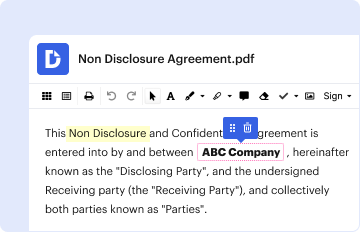
01. Edit your form online
Type text, add images, blackout confidential details, add comments, highlights and more.

Type text, add images, blackout confidential details, add comments, highlights and more.
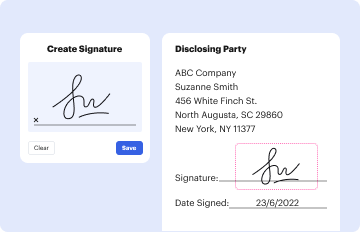
Draw your signature, type it, upload its image, or use your mobile device as a signature pad.

Send it via email, link, or fax. You can also download it, export it or print it out.
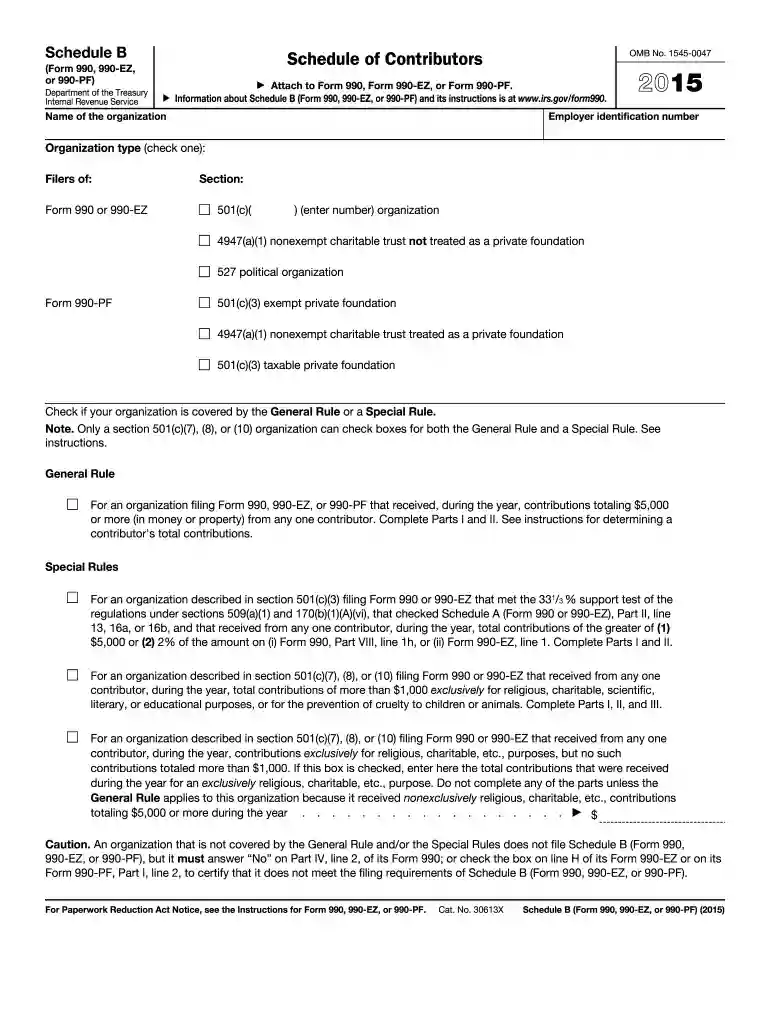
The 2015 Schedule B (Form 990 or 990-EZ) is a critical document required by the IRS for organizations to report substantial contributions received during the tax year. This form is part of the IRS's broader Form 990 series, used predominantly by tax-exempt organizations. It serves as a tool for transparency in financial reporting, ensuring that significant contributions and donors are properly documented and disclosed. Organizations, including charities and other tax-exempt entities, utilize this form to list donors who have contributed $5,000 or more within a single tax year, thereby maintaining compliance with federal regulations.
The 2015 Schedule B form contains several pivotal components that organizations must address:
Each part of the form is designed to offer a comprehensive view of an organization’s funding sources, enhancing both organizational accountability and public trust.
Filling out the 2015 Schedule B form involves a series of specific steps that ensure accurate reporting:
This form is essential for several reasons:
Primarily, tax-exempt organizations, including:


According to IRS guidelines, organizations must:
Staying informed and compliant with these guidelines minimizes the risk of financial penalties and enhances the efficacy of the organization’s financial reporting processes.
Organizations failing to accurately complete the 2015 Schedule B form or submit it in a timely manner may face:
These penalties highlight the importance of meticulous attention to detail and thorough internal reviews before submission.
Organizations have options for submitting the 2015 Schedule B form:
Selecting the appropriate method depends on an organization’s capabilities and preference for handling records.
We've got more versions of the 2015 990 ez schedule b form form. Select the right 2015 990 ez schedule b form version from the list and start editing it straight away!
| Versions | Form popularity | Fillable & printable |
|---|---|---|
| 2024 | 4.5 Satisfied (23 Votes) | |
| 2023 | 4.7 Satisfied (51 Votes) | |
| 2022 | 4.7 Satisfied (34 Votes) | |
| 2021 | 4.8 Satisfied (140 Votes) | |
| 2020 | 4.3 Satisfied (48 Votes) | |
| 2019 | 4.4 Satisfied (102 Votes) | |
| 2018 | 4.1 Satisfied (85 Votes) | |
| 2017 | 4.2 Satisfied (58 Votes) | |
| 2016 | 4.3 Satisfied (186 Votes) | |
| 2015 | 4 Satisfied (43 Votes) | |
| 2014 | 4.4 Satisfied (53 Votes) | |
| 2013 | 4 Satisfied (49 Votes) | |
| 2012 | 4.2 Satisfied (39 Votes) | |
| 2011 | 4 Satisfied (36 Votes) |
At DocHub, your data security is our priority. We follow HIPAA, SOC2, GDPR, and other standards, so you can work on your documents with confidence.


