







Definition & Meaning
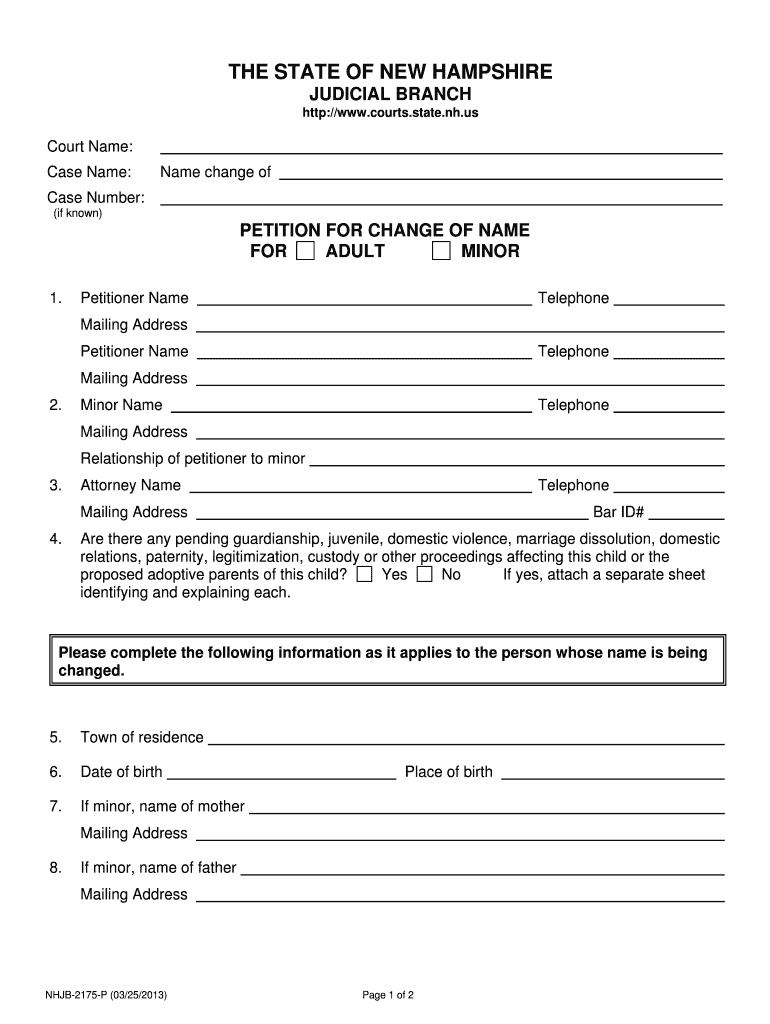
The Bill Of Sale Form by the New Hampshire Judicial Branch is a legal document that serves as a record of the sale or transfer of personal property, such as vehicles, livestock, or equipment, between parties. The form includes vital details about the buyer and seller, as well as a description of the item being transferred. This legal documentation acts as proof of ownership change and can be essential in various legal contexts, such as registration or taxation. In New Hampshire, this form is particularly essential for transactions involving significant items requiring official acknowledgment for any disputes or regulatory requirements.
How to Obtain the Bill Of Sale Form New Hampshire Judicial Branch Application
To secure the Bill Of Sale Form, you can visit the New Hampshire Judicial Branch website, which typically hosts downloadable forms. Alternatively, you may obtain a physical copy by visiting a local courthouse or a motor vehicle department office in New Hampshire. Many third-party platforms also offer downloadable versions of this form; however, it's crucial to ensure these documents comply with state requirements. Checking the form's authenticity and completeness before use ensures it is legally valid for any necessary proceedings.
Steps to Complete the Bill Of Sale Form New Hampshire Judicial Branch Application
- Identify the Parties: Start by filling in the full names and contact details of both the buyer and the seller.
- Describe the Property: Clearly outline what is being sold. For a vehicle, include the make, model, year, and vehicle identification number (VIN).
- Include the Sale Date: Document the exact date the transaction is taking place, which will serve as the official date of transfer.
- State the Sale Price: Clearly indicate the agreed sale price, and specify the payment method. If the item is a gift, state $0 with a note indicating that it's a gift.
- Signatures and Notarization: Both parties must sign the form. Depending on the property's value or the specifics of the transaction, notarization may be required. Check local regulations for specifics.
Key Elements of the Bill Of Sale Form New Hampshire Judicial Branch Application
- Identification of Parties: Clear identification of both buyer and seller, ensuring there is no ambiguity about who is involved in the transaction.
- Description of Property: Precise details about the item sold, vital to avoid any disputes about what was purchased.
- Sale Consideration: The monetary aspect of the transaction, or clarification if the item is gifted.
- Signatures: Validating the agreement between both parties, signatures are critical. In some instances, a third-party witness or notary might be necessary to further authenticate the process.
State-Specific Rules for the Bill Of Sale Form New Hampshire Judicial Branch Application
In New Hampshire, the Bill Of Sale Form must adhere to specific guidelines to be considered legally binding. For instance, any sale involving vehicles must detail the current odometer reading. Additionally, New Hampshire requires the form for vehicle transfers to be accompanied by the title certificate. This certificate confirms the change in ownership and must align with the information on the Bill Of Sale.
Legal Use of the Bill Of Sale Form New Hampshire Judicial Branch Application
Legally, the Bill Of Sale serves as conclusive evidence of the transfer of ownership and can be used in court if any disputes arise concerning the transaction. It's a significant document in proving that a seller has relinquished all interest and ownership rights to a buyer. For vehicles, it's particularly crucial in processes like registration, as it proves that the vehicle has been legally transferred to the new owner, protecting them from future liabilities the previous owner might have had.
Who Typically Uses the Bill Of Sale Form New Hampshire Judicial Branch Application
This form is primarily used by individuals and businesses involved in the sale of significant personal property. Private sellers, car dealerships, and buyers dealing with high-value items like boats or trailers frequently utilize this form. In an institutional context, organizations that sell off used equipment or machinery may also employ this document to ensure legal compliance and evidence of transfer.


Required Documents
When completing a Bill Of Sale in New Hampshire, you may need additional documents to facilitate the entire process. For vehicles, the title certificate is a must-have, and newer models might require an odometer disclosure statement. For transactions exceeding a certain financial threshold, tax documents showing the sales tax paid might be necessary. It is also advisable to have personal identification documents ready for both parties to confirm identity during notarization or any official review process.
Examples of Using the Bill Of Sale Form New Hampshire Judicial Branch Application
Consider a scenario where you purchase a used car from a private seller. The Bill Of Sale Form will document all details of the transaction, certifying your new ownership status. Alternatively, if a business sells office equipment to another company, this form ensures that the transfer is officially documented and can shield the seller from any potential claims post-sale, such as liability for property defects not disclosed during the sale.




