






Definition and Meaning
Expungement refers to a legal process where an individual’s criminal record is sealed or erased. In New Jersey, the Superior Court allows individuals to expunge records from both the adult criminal system and the juvenile justice system. This process removes barriers that a criminal record may impose, such as difficulty finding employment, obtaining housing, or pursuing educational opportunities. The primary goal is to allow individuals a fresh start by removing past misdemeanors or charges from public records.
How to Use the Expungement Form
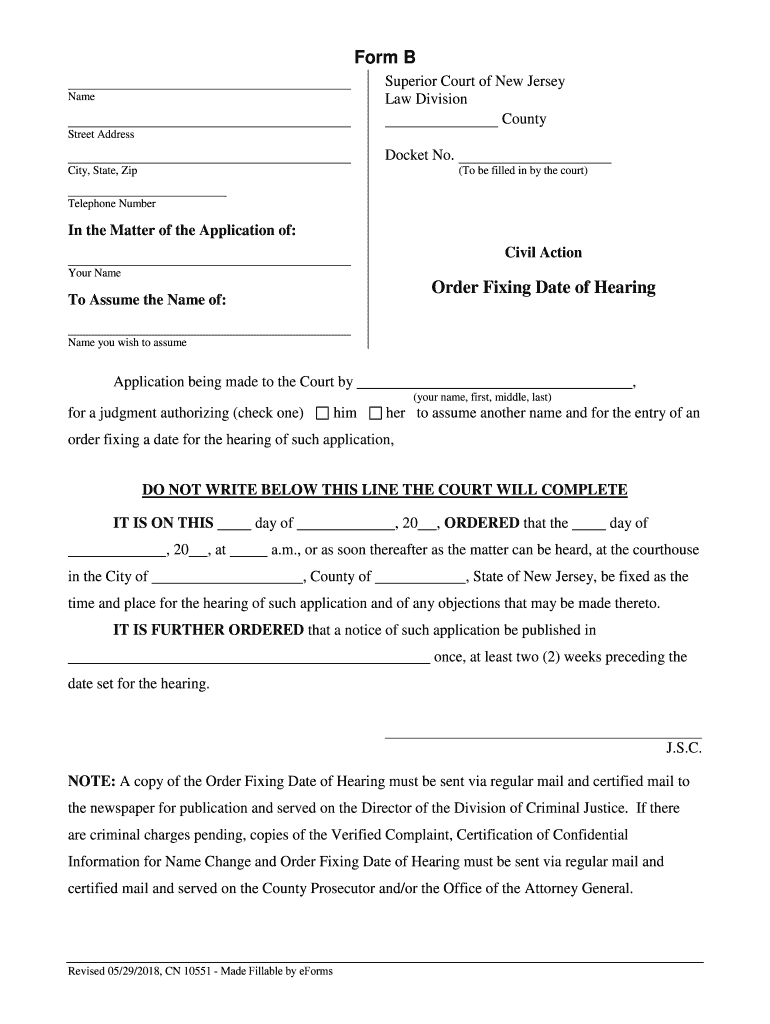
To begin the expungement process in New Jersey, individuals must correctly complete the form titled "How to Expunge Your Criminal an or Juvenile - NJ Courts." This legal form requires detailed personal information, specific data about the arrest or conviction, and any other related occurrences. Users must ensure accuracy when entering this information, as any discrepancies can delay or invalidate the expungement process. By following the form's instructions and guidelines meticulously, applicants can proceed to the filing stage.
Steps to Complete the Expungement Form
-
Gather Personal Information: Collect all relevant personal details, including full name, date of birth, and address.
-
Detail the Offense: Clearly document the arrest date, nature of the offense, and any court case numbers related to the incident.
-
Complete Required Sections: Fill in each section of the form thoroughly. This includes reasons for the expungement and any previous applications.
-
Attach Necessary Documents: Include any mandatory supporting documents, such as court judgments or previous expungement orders, to substantiate the application.
-
Review and Finalize: Double-check all entries for accuracy before signing and dating the form.
Eligibility Criteria
To qualify for expungement in New Jersey, individuals must meet specific criteria. Not all criminal records are eligible; serious crimes like murder or sexual assault typically cannot be expunged. Furthermore, applicants must have completed all terms of their sentence, including probation or community service. For juvenile offenses, different guidelines apply, focusing on rehabilitation and time elapsed since adjudication. Understanding these criteria is crucial for a successful application.


State-Specific Rules
New Jersey has explicit laws governing the expungement process. These rules dictate how long individuals must wait after completing their sentence to apply for expungement. For instance, individuals seeking to expunge less serious crimes might face a shorter waiting period compared to those with more severe charges. The state provides clarity through guidelines designed to balance public safety and individual rehabilitation.
Key Elements of the Expungement Form
- Personal Identification: Complete personal information section accurately for verification.
- Offense Details: Thoroughly detail each offense, including dates and outcomes.
- Legal Justification: Provide valid reasons for requesting expungement, highlighting rehabilitation or changed circumstances.
- Supporting Documents: Attach court orders, judgements, and any past expungement approvals for a comprehensive application package.
Legal Use of the Expungement Form
The legal use of the expungement form involves navigating New Jersey’s judicial system and ensuring compliance with all legal procedures. This document functions as a formal request lodged with the court to seal or remove criminal records. Legal assistance may be advisable to optimize the chances of approval and to maneuver potential complexities within the legal system.
Form Submission Methods
After completing the form, applicants have multiple options for submission:
- Online Submission: Through New Jersey’s electronic submission systems.
- Mail: Postal delivery to the relevant courthouse for a tangible record.
- In-Person: Direct submission at a courthouse, providing a receipt for personal records.
Filing Deadlines and Important Dates
Applicants must adhere to specific deadlines related to their case type and the court's schedule. Timeliness is critical, and missing a deadline can result in application denial. The state outlines these timelines, which can vary based on the severity and date of the crime. Keeping track of these deadlines ensures a smooth filing process, aligning with New Jersey’s expungement laws.