Definition and Meaning of Employee Training Documentation
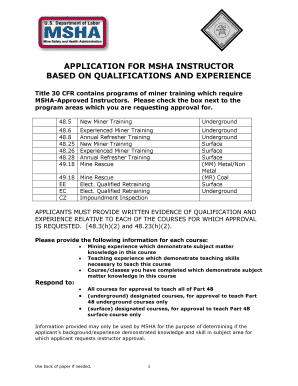
Employee Training Documentation for the County of San Diego serves as a structured framework to document training processes, requirements, and outcomes for county employees. This form captures critical details about the training sessions, such as objectives, content, expected outcomes, and participant information. It ensures that all training protocols align with county standards and that employees acquire necessary skills and knowledge efficiently. This documentation is a vital compliance tool to confirm that training obligations are met and adhered to.
How to Use the Employee Training Documentation
To effectively use the Employee Training Documentation, follow these steps:
-
Access the Form: Obtain the latest version of the form from the County of San Diego's official channels, ensuring you are using the most current documentation.
-
Identify Training Requirements: Clearly outline the training objectives, along with a description of the material covered. Ensure that these align with both county and departmental standards.
-
Fill in Participant Information: Include all relevant information about the participants, such as names, department, role, and contact details.
-
Document Training Sessions: Record detailed information about each training session, including dates, trainers' credentials, and any assessments conducted.
-
Gather Feedback: Attach feedback forms and summaries from participants to identify areas of improvement for future sessions.
Steps to Complete the Employee Training Documentation
Completing the Employee Training Documentation requires meticulous attention to detail:
-
Preparation: Gather all necessary information and resources before beginning. This includes participant lists, training materials, and feedback forms.
-
Form Completion: Carefully fill out each section of the documentation, ensuring accuracy and completeness.
-
Review: Double-check all entries for errors or omissions. Ensure compliance with county standards and mandates.
-
Finalization: Obtain necessary signatures from authorized personnel to validate the documentation, confirming its authenticity and accuracy.
-
Submission: Submit the completed documentation to the appropriate department or digital portal as instructed by the County of San Diego guidelines.
Who Typically Uses the Employee Training Documentation
The Employee Training Documentation is primarily used by:
-
Human Resources Departments: For monitoring employee development and ensuring compliance with training requirements.
-
Department Heads and Supervisors: To track departmental training initiatives and employee progress.
-
Training Facilitators: To outline training objectives and record outcomes for continuous improvement.
-
Compliance Officers: To ensure that all training activities adhere to local and state regulations.


Important Terms Related to the Employee Training Documentation
Understanding the following terms is crucial for successful documentation:
-
Compliance Training: Training aimed at ensuring employees understand and meet the legal and regulatory framework governing their roles.
-
Facilitator: An individual who leads the training session and is responsible for delivering content effectively.
-
Assessment: Evaluation processes used to measure the learning achieved by participants during the training session.
-
Mandatory Training: Training sessions that employees are required to attend as part of their employment terms and conditions.
Legal Use of the Employee Training Documentation
The Employee Training Documentation must comply with legal standards set by the County of San Diego. This includes:
-
Data Protection: Ensuring that all participant information is handled securely and in compliance with privacy laws.
-
Accuracy: Maintaining accurate and truthful records to avoid legal disputes related to training compliance.
-
Retention: Maintaining documentation for a required period as stipulated by county regulations.
Failure to properly document training may result in penalties or compliance issues, highlighting the necessity for accurate and thorough completion.
Key Elements of the Employee Training Documentation
Key elements that should be included in comprehensive Employee Training Documentation are:
-
Training Objectives: Clear description of the goals intended to be achieved by the training session.
-
Content Overview: Detailed breakdown of the content covered during the training.
-
Participant Details: Comprehensive list of participants and any relevant information for follow-up or records.
-
Feedback and Assessments: Record of feedback received from participants and results from any assessments conducted.
-
Facilitator Information: Credentials of the facilitator leading the training session.
State-Specific Rules for the Employee Training Documentation
In the context of the County of San Diego, there are specific rules and standards that must be adhered to:
-
Compliance Standards: State and local regulations dictate necessary training topics, such as workplace safety and harassment prevention.
-
Documentation Procedures: Adherence to standardized documentation procedures ensures consistency and legal compliance across departments.
Comprehension of these state-specific rules is essential for creating documentation that meets all legal and organizational requirements.