01. Edit your form online
Type text, add images, blackout confidential details, add comments, highlights and more.


Type text, add images, blackout confidential details, add comments, highlights and more.

Draw your signature, type it, upload its image, or use your mobile device as a signature pad.

Send it via email, link, or fax. You can also download it, export it or print it out.
"Officeemail:compliance" is a term that refers to the set of regulations and guidelines governing the use of office email systems within organizations to ensure adherence to legal, ethical, and organizational standards. It encompasses policies related to data security, confidentiality, and proper usage, aiming to protect the organization and its employees from potential legal issues and to maintain a professional communication standard.
Utilizing "Officeemail:compliance" involves applying organizational email policies and practices to everyday communication tasks. Employees are encouraged to familiarize themselves with these policies to prevent inadvertent breaches.
Given that "Officeemail:compliance" is not a form but a compliance approach, the steps involve adopting best practices within an email system according to defined policies.
Legally, "Officeemail:compliance" ensures that all email communications adhere to federal, state, and industry-specific regulations. It covers aspects such as intellectual property rights, privacy laws, and electronic communication standards.
The critical components of email compliance include data encryption, regulation adherence, and regular training.
"Officeemail:compliance" is primarily applicable to employees within organizations that utilize digital communication extensively, with a focus on sectors that handle sensitive data.



While many email compliance rules are federal, some states in the U.S. have specific regulations that organizations must observe.
In practice, "Officeemail:compliance" can be seen in how organizations manage their communication systems to prevent violations and how they respond to incidents.
While "Officeemail:compliance" isn't a traditional form, the concept of compliance is typically overseen by the organization’s compliance officers or IT department. They are responsible for drafting and issuing compliance policies.
Failing to adhere to "Officeemail:compliance" guidelines can lead to significant legal and financial repercussions for organizations.
Understanding specific terms related to email compliance can enhance comprehension and adherence to policies.
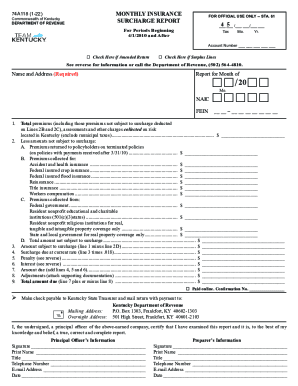
We've got more versions of the Officeemail:compliance form. Select the right Officeemail:compliance version from the list and start editing it straight away!
| Versions | Form popularity | Fillable & printable |
|---|---|---|
| 2018 | 4.8 Satisfied (146 Votes) |
At DocHub, your data security is our priority. We follow HIPAA, SOC2, GDPR, and other standards, so you can work on your documents with confidence.