01. Edit your form online
Type text, add images, blackout confidential details, add comments, highlights and more.

Type text, add images, blackout confidential details, add comments, highlights and more.

Draw your signature, type it, upload its image, or use your mobile device as a signature pad.

Send it via email, link, or fax. You can also download it, export it or print it out.
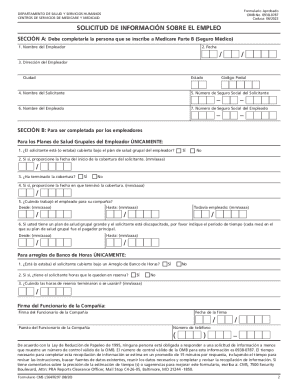
Unfair immigration-related employment practices refer to discriminatory actions taken against individuals based on their citizenship or immigration status. This includes any form of employment discrimination that violates immigration laws, such as hiring, firing, recruitment, or referral violations. These practices contravene the anti-discrimination provisions of the Immigration and Nationality Act (INA), specifically outlined under the jurisdiction of the Office of Special Counsel for Immigration-Related Unfair Employment Practices (OSC). Actions that fall under this category can include biased treatment in hiring processes or unequal pay for individuals of different national origins. The U.S. Department of Justice’s Executive Office for Immigration Review provides mechanisms to file complaints against such practices.
Gather Personal and Employment Information: Collect all relevant personal details and employment information, including the company name, your employment dates, and any communications related to the case.
Document Specific Allegations: Clearly document the incidents that you believe constitute unfair practices. Include dates, descriptions of the events, and names of the individuals involved.
Include Supporting Documentation: Attach any supporting documents such as emails, employment contracts, or testimonials that can substantiate your claims.
Submit the Form to the IER: The completed complaint form needs to be submitted to the Immigrant and Employee Rights Section (IER) before escalating to the Office of the Chief Administrative Hearing Officer (OCAHO).
Await Response and Further Instructions: After submission, the IER will review the complaint and inform you of the next steps, potentially involving mediation or further investigation.
Submitting a complaint regarding unfair immigration-related employment practices necessitates several key documents:
Identification Proof: Valid identification, such as a driver’s license or passport, to verify your identity.
Employment Records: Any records or communications from your employer, including pay stubs and employment contracts.
Evidence of Discriminatory Practices: Written or recorded communications that demonstrate discriminatory practices, such as emails or text messages.
Witness Statements: Affidavits or statements from colleagues who can corroborate your claims, providing an external perspective on the situation.
Individuals seeking to file a complaint for unfair immigration-related employment must meet certain criteria:
Employment Status: You must have been employed by the entity against which you are filing the complaint or have applied for a position with them.
Discrimination Basis: Demonstrate that the discrimination was based on national origin or citizenship status.
Timeliness: The complaint must be filed within a specific timeframe from the date of the alleged incident, typically within 180 days.


Discrimination: Unjust or prejudicial treatment in employment contexts based on personal characteristics, such as citizenship status or ethnicity.
Immigration and Nationality Act (INA): A set of laws regulating immigration to the United States, including provisions against employment discrimination.
Office of the Chief Administrative Hearing Officer (OCAHO): The adjudicative body responsible for cases involving unfair immigration-related employment practices.
Adhering to filing deadlines is crucial:
Initial Complaint Filing: Must be submitted to the IER within 180 days from the alleged act of discrimination.
Response from IER: After filing, the IER will typically respond within ninety days, following which mediation or a formal complaint to OCAHO may be pursued.
The use of this complaint form is strictly for reporting unlawful discrimination relating to immigration-based employment practices. It serves as an official channel to initiate legal proceedings, which can lead to remedies like back pay, reinstatement, or policy changes within the offending organization.
Scenario 1: A qualified individual is denied a position due to their temporary visa status despite superior qualifications compared to other applicants.
Scenario 2: A company dismisses a lawful permanent resident citing their non-U.S. nationality as the primary reason, despite adherence to all job-related criteria.
Scenario 3: An employee faces workplace harassment based on nationality, and management fails to address the repeated complaints lodged with HR.
We've got more versions of the Unfair Immigration-Related Employment form. Select the right Unfair Immigration-Related Employment version from the list and start editing it straight away!
At DocHub, your data security is our priority. We follow HIPAA, SOC2, GDPR, and other standards, so you can work on your documents with confidence.