Definition and Importance of RCCL Medical Examination
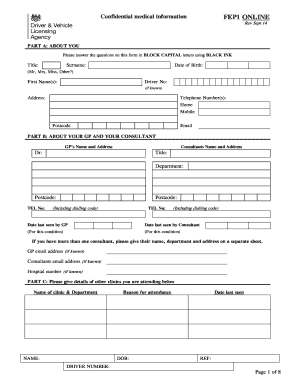
The RCCL Medical Examination is a comprehensive health assessment required for those seeking employment aboard Royal Caribbean Cruise Line (RCCL) ships. This examination helps ensure that all crew members are fit to work in the unique maritime environment, adhering to international maritime medical standards, including STCW and ILO guidelines. The process involves evaluating a variety of physical and mental health aspects to confirm that employees can safely perform duties at sea.
- Health Check Components: Includes physical checks, laboratory tests, vision and hearing assessments, and evaluations for conditions like cardiovascular and respiratory health.
- Employability Standards: Ensures compliance with individual job role requirements and industry regulations, safeguarding both crew and passenger safety.
Immediate and strict adherence to medical examination requirements protects RCCL from potential liabilities and enhances operational safety by identifying any health issues that could impair a crew member's ability to perform their duties effectively.
How to Obtain the RCCL Medical Examination
To initiate the RCCL Medical Examination, prospective crew members must follow a specific procedure, typically outlined by the employer during the recruitment process. Here’s a step-by-step guide on how to proceed:
- Employer Notification: RCCL or its hiring partners will provide details about approved medical providers who can conduct the examination.
- Appointment Scheduling: Contact designated medical facilities to schedule an appointment, ensuring you allow sufficient time before your planned embarkation date.
- Document Preparation: Gather all required documents such as identification, previous medical records, and any specific forms stipulated by RCCL.
- Complete the Examination: Visit the medical provider for a comprehensive examination, as per RCCL's standards.
- Receive Certification: Upon successful completion, the medical provider will issue a Seafarer Medical Certificate.
Adhering to this outlined process is essential to ensure compliance and timely certification.
Steps to Complete the RCCL Medical Examination
Completing the RCCL Medical Examination involves several detailed steps:
1. Initial Health Evaluation
- Physical Exam: Comprehensive exam reviewing general health, vision, hearing, and crucial bodily systems.
- Medical History Review: Assessment of prior medical conditions, surgeries, and current medications.
2. Specialized Testing
- Diagnostic Tests: Includes laboratory tests for blood analysis, urinalysis, and additional screenings depending on the role.
- Functional Capacity Evaluation: Tests related to strength, flexibility, and endurance may be required for physically demanding positions.
3. Obtaining Certification
- Result Compilation: The medical facility compiles examination results to determine fitness for duty.
- Certification Issuance: A Seafarer Medical Certificate is issued upon meeting all health requirements.
Each step must be followed meticulously to ensure that the required standards are met, guaranteeing the crew member’s ability to work safely and effectively onboard.
Who Typically Uses the RCCL Medical Examination
The RCCL Medical Examination is utilized by various categories of personnel within the cruise industry:
- New Recruits: Essential for all prospective employees aiming to join RCCL as part of the pre-employment process.
- Returning Crew Members: Often required for returning staff to ensure ongoing health compliance before rejoining.
- Promotional Candidates: Employees seeking promotion to roles with different or more demanding physical requirements may need re-evaluation.
This ensures that all personnel are adequately equipped to handle the rigors and specific demands of their designated roles aboard a ship.

Key Elements of the RCCL Medical Examination
Several core components go into the RCCL Medical Examination:
- Personal Information Verification: Confirm identity and employment eligibility through documents like passports and seafaring licenses.
- Health Screening: A thorough screening that includes vitals, lab work, and functional assessments.
- Vision and Hearing Checks: Specialized tests ensuring the candidate meets the visual and auditory requirements unique to maritime work.
Ensuring accurate and comprehensive documentation of these elements is crucial for meeting RCCL's compliance standards.
Required Documents for the RCCL Medical Examination
To ensure a successful medical examination process, candidates must prepare specific documents:
- Proof of Identity: Such as a government-issued ID or passport.
- Medical Records: Previous health records, if applicable, to provide overview context during the examination.
- Employer Forms: Any specific forms required by RCCL for new crew member onboarding and medical evaluations.
These documents must be presented during the initial appointment to avoid delays or complications in the examination process.
Legal Use and Compliance for the RCCL Medical Examination
The RCCL Medical Examination must comply with legal and regulatory standards:
- Confidentiality Compliance: Adherence to privacy laws such as HIPAA ensures that medical information remains confidential.
- Adherence to Maritime Law: Observance of STCW and ILO standards is vital for global maritime compliance.
All examinations must be conducted by certified medical professionals to guarantee compliance with these regulations, protecting both the employee's rights and RCA's operational integrity.
Examples of Using the RCCL Medical Examination
The practical application of these examinations in real-world scenarios includes:
- Pre-boarding Checks: Ensuring that all returning crew members are healthy before embarking minimizes the risk of health issues at sea.
- Health Crisis Interventions: Using standard medical examination data can assist in swiftly managing onboard health crises or emergencies.
These examinations serve as critical components in supporting a safe and efficient working environment on RCCL ships.