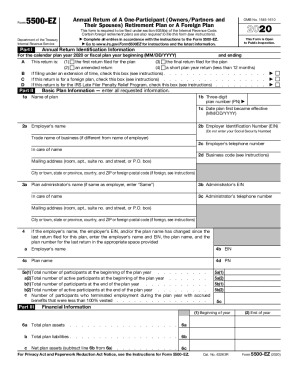
Definition and Meaning
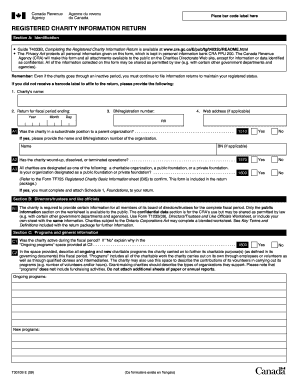
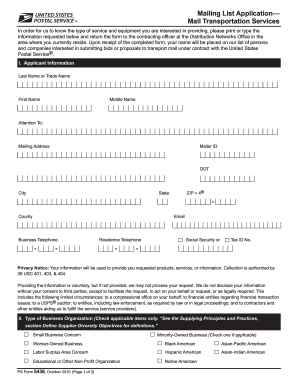
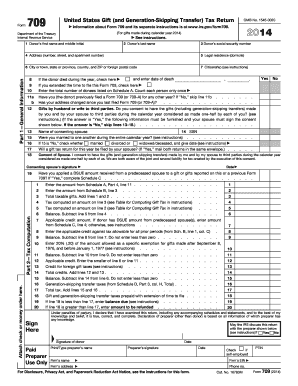
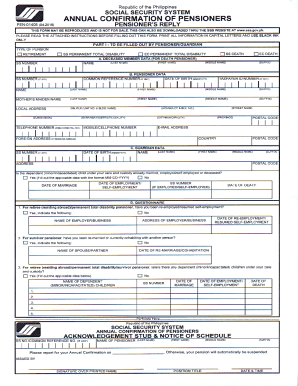
A "government application" typically refers to a formal request or set of documents submitted to a government agency to obtain a specific service, permit, or benefit. These applications are essential in facilitating the interaction between individuals or businesses and the government, enabling them to access a variety of services such as job positions, permits, licenses, or benefits. The details required can vary significantly based on the type and purpose of the application.
Common Usage Scenarios
- Applying for government jobs, such as the Inspectorate of Government, which requires detailed personal and professional information.
- Requesting permits or licenses, like business permits or driver's licenses, where personal identification and qualifications are checked.
- Seeking government benefits or social services, where income and family details are evaluated.
Key Components
Government applications usually include sections on personal information, qualifications, and declarations. They may also require documentation to prove eligibility or compliance with legal and procedural standards.
Steps to Complete the Government Application
Successfully completing a government application involves several critical steps designed to ensure accuracy and compliance with the established requirements.
Initial Preparation
- Identify the correct form: Determine the specific form required for your purpose, such as job applications or permit requests.
- Gather required documents: Collect necessary documents such as identification, qualifications, and references to support your application.
Form Completion
- Personal Information: Fill in personal details accurately, such as name, address, and contact information.
- Employment History and Qualifications: Provide a detailed account of previous employment, educational background, and relevant skills.
- Declaration of Accuracy: Sign and date the declaration to confirm the authenticity of the provided information.
Final Steps
- Review the completed application for errors or omissions.
- Submit the application through the prescribed method (online, mail, or in-person).
How to Obtain the Government Application
Obtaining a government application typically involves accessing official forms from respective government agencies.
Access Points
- Online Portals: Many government agencies offer forms through their official websites.
- Physical Locations: Obtain forms from government offices or public service centers.
- Postal Option: Request forms to be sent via mail by contacting the relevant department.
Checking for Updates
It's crucial to ensure the form is the latest version by checking the agency's current guidelines or announcements, as requirements and formats may change.
Important Terms Related to Government Application
Understanding the terminology associated with government applications is essential for compliance and accuracy.
Key Terms
- Authentication: Verifying the identity of the applicant, often through government-issued identification or legal documentation.
- Eligibility Criteria: The conditions that define who can apply or qualify for the service requested.
- Declaration: A formal statement affirming the truthfulness and accuracy of the application information.
Section-Specific Terms
- Contact Details: Information necessary for communication, such as email and phone number.
- Signature Field: A required field where applicants sign to authenticate their submission.
Required Documents
Documentation plays a crucial role in supporting the information provided in a government application.
Commonly Required Documents
- Identification: Government-issued ID like a driver's license or passport.
- Proof of Residence: Utility bills or lease agreements to confirm address details.
- Qualification Certificates: Diplomas or certifications related to the application purpose.
Specific Scenarios
For job applications, additional documents might include resumes, letters of recommendation, or portfolio samples, whereas permit applications might require inspection reports or compliance certificates.
Legal Use of the Government Application
The legal aspects of submitting a government application encompass understanding compliance, confidentiality, and data protection.
Compliance and Privacy
- Data Confidentiality: Government applications are protected by privacy laws to secure personal information.
- Legal Consequences: Providing false or misleading information can lead to legal ramifications, including fines or disqualification.
Security Measures
Applications are typically encrypted and processed through secure channels to protect the applicant's sensitive data.
Key Elements of the Government Application
Government applications are structured to gather essential information necessary for the processing of requests and services.
Essential Sections
- Personal Information: Basic details for identification.
- Qualifications and Experience: Proof of expertise or eligibility for the service or position sought.
- Disclaimers: Information regarding the use and processing of provided data.
Optional Components
- Supplementary Information: Additional data that may strengthen the application, such as secondary contact information or alternative mailing addresses.
Filing Deadlines and Important Dates
Adhering to specific deadlines and dates is critical for a successful application process.
Application Deadlines
Each government application comes with a specified deadline by which all required forms and documents must be submitted. Missing these deadlines may result in disqualification or delays.
Consistent Timelines
- Job Applications: Often have set opening and closing dates that dictate when you can apply.
- Permit Applications: May offer rolling submissions but still adhere to project or fiscal year deadlines.
Understanding and managing these timelines ensures that applicants remain compliant and do not miss critical opportunities.