Special agreement 2026

Get Form
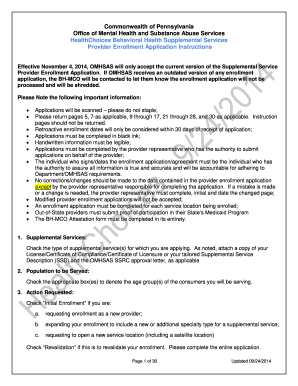
special agreement Preview on Page 1

Here's how it works

01. Edit your special agreement online
Type text, add images, blackout confidential details, add comments, highlights and more.

02. Sign it in a few clicks
Draw your signature, type it, upload its image, or use your mobile device as a signature pad.

03. Share your form with others
Send ofi form 86c via email, link, or fax. You can also download it, export it or print it out.

Definition and Meaning

A "special agreement" is a document commonly used for collecting personal information from individuals applying for certain positions. This form often includes detailed sections related to the applicant's personal details, such as name, social security number, date of birth, and citizenship status. The special agreement may also cover employment history and veteran status. The form serves as a comprehensive record that ensures the information is systematically organized and easily accessible for review or future reference.

Special agreements hold significance in both legal and professional contexts. They can establish mutual understanding and clarify expectations between parties involved. While the precise nature of the special agreement might vary depending on its intended use or geographical application, its primary function remains focused on formalizing commitments through detailed documentation.

Key Elements of the Special Agreement

Each special agreement includes several critical elements designed to capture comprehensive personal and professional information. These elements ensure that the data collected aligns with the requirements of the relevant application process or legal stipulations.

  • Personal Information: This section records the applicant's full name, social security number, and contact details. It may also include demographic data such as date of birth and citizenship.
  • Employment History: Details about previous employers, job titles, and dates of employment are essential components. This information assists in evaluating the applicant's professional background.
  • Veteran Status: For positions with veteran preference or involving government employment, applicants reveal their military service to determine eligibility for special considerations.
  • Suitability Checks: This includes consent for background checks, which could encompass criminal history, credit evaluations, and other assessments relevant to the position's requirements.

Steps to Complete the Special Agreement

Completing a special agreement requires attention to detail. Following a methodical approach ensures all information is accurately and thoroughly documented.

  1. Review Each Section: Carefully read each part of the form to understand the information required.
  2. Gather Required Documents: Collect all necessary supporting documents. These might include identification, proof of citizenship, and employment records.
  3. Fill Out Personal Details: Enter all personal information with precision, ensuring names and numbers are correct.
  4. Detail Employment History: Accurately list previous employment, ensuring all dates and job roles are precise.
  5. Veteran Information: Disclose any military service details if applicable.
  6. Finalize and Sign: Review the form for completeness, ensuring no fields are left blank. Follow any signature guidelines provided.

Legal Use of the Special Agreement

Special agreements often play a crucial role in legal documentation, ensuring compliance with applicable laws and regulations. They serve as legally binding documents supporting claims or decisions related to employment or personal verification processes.

  • ESIGN Act Compliance: Electronic versions of special agreements adhere to the ESIGN Act, rendering electronic signatures legally binding.
  • Data Privacy: The information collected is typically protected under personal data protection laws, ensuring applicant information is used solely for intended purposes.
  • Retention and Record-Keeping: Maintaining accurate records of completed forms is mandatory, aligning with both company policy and legal requirements.

Important Terms Related to Special Agreements

Understanding terminology associated with special agreements is critical for both applicants and entities processing these forms. This terminology provides clarity and aids in a more objective evaluation process.

  • Applicant: An individual submitting personal information as part of a special agreement.
  • Consent: Permission granted by the applicant to use the provided information for its intended purpose.
  • Background Check: A comprehensive review of an applicant’s history, often related to employment, education, and legal records.

State-Specific Rules for the Special Agreement

While special agreements provide a standardized format for gathering information, state-specific rules may influence their content and execution. Differences can arise based on local employment laws, requirements for veteran status, or other state regulations.

  • Employment Law Variances: States might have distinct requirements for disclosing employment history or verifying legal work eligibility.
  • Veteran Benefits: Some states offer additional consideration or benefits for veteran status, impacting information required on the form.

Who Typically Uses the Special Agreement

Special agreements are utilized across various sectors, often by governmental institutions or organizations with rigorous vetting processes. Employment applications frequently involve special agreements, ensuring employers have comprehensive data for evaluating candidates.


  • Government Agencies: Regularly use these forms to verify applicant credentials and eligibility.
  • Military: Use agreements as part of the enlistment process or for roles that require security clearances.
  • Educational Institutions: Use them to collect exhaustive student data for scholarships or course enrollments.
decoration image ratings of Dochub

Examples of Using the Special Agreement

Special agreements are applied in numerous practical scenarios, emphasizing their versatility and importance in formal proceedings.

  • Government Job Applications: Collecting detailed candidate information for federal or state positions.
  • Background Verification: Ensuring compliance for employees handling sensitive data or requiring high-level clearances.
  • Military Enlistment: Used for capturing exhaustive data before recruitment or assignment to higher security roles.

Each use case underscores the importance of special agreements in establishing clearly defined, legally compliant relationships and maintaining comprehensive records. By capturing detailed information pertinent to each situation, special agreements facilitate informed decision-making and enhanced organizational efficiency.

be ready to get more

Complete this form in 5 minutes or less

Get form

Got questions?

We have answers to the most popular questions from our customers. If you can't find an answer to your question, please contact us.
Contact us
Types of Agreements Allocation of Rights. Collaborative Research Agreement. Consortium Agreement. Data Use Agreement. Interagency Cooperation Contract. Material Transfer Agreement. Memorandum of Understanding. Non-Disclosure Agreement.
A special agreement is a type of agreement docHubed between two or more government and business parties. This agreement defines: The terms under which the can parties operate. How much will be earned by each party.
General features. Justinian identifies four types of real contract contracts in re (in a thing) mutuum, commodatum, depositum and pignus. Common to all four was an agreement, and the delivery of a res corporalis. They are in contrast to consensual and inominate contracts.
4 Common Types of Contracts Non-Disclosure Agreement. Companies often request or provide a Non-Disclosure Agreement (NDA) when they have sensitive or confidential information to disclose. Master Services Agreement. Order Form. Buy-Side Contracts.
The document discusses the four key attributes of solid contracts: clarity, certainty, consensus, and consciousness. Clarity means clearly defining the details of the agreement. Certainty means using precise language like will and shall.

Security and compliance

At DocHub, your data security is our priority. We follow HIPAA, SOC2, GDPR, and other standards, so you can work on your documents with confidence.

Learn more
ccpa2
pci-dss
gdpr-compliance
hipaa
soc-compliance

People also ask

In addition to standard contracts, special contracts address specific business needs, such as protecting against losses, securing loans, and handling goods temporarily. The Indian Contract Act, 1872, defines four major types of special contracts: Indemnity, Guarantee, Bailment, and Pledge.

Related links