




01. Edit your form online
Type text, add images, blackout confidential details, add comments, highlights and more.

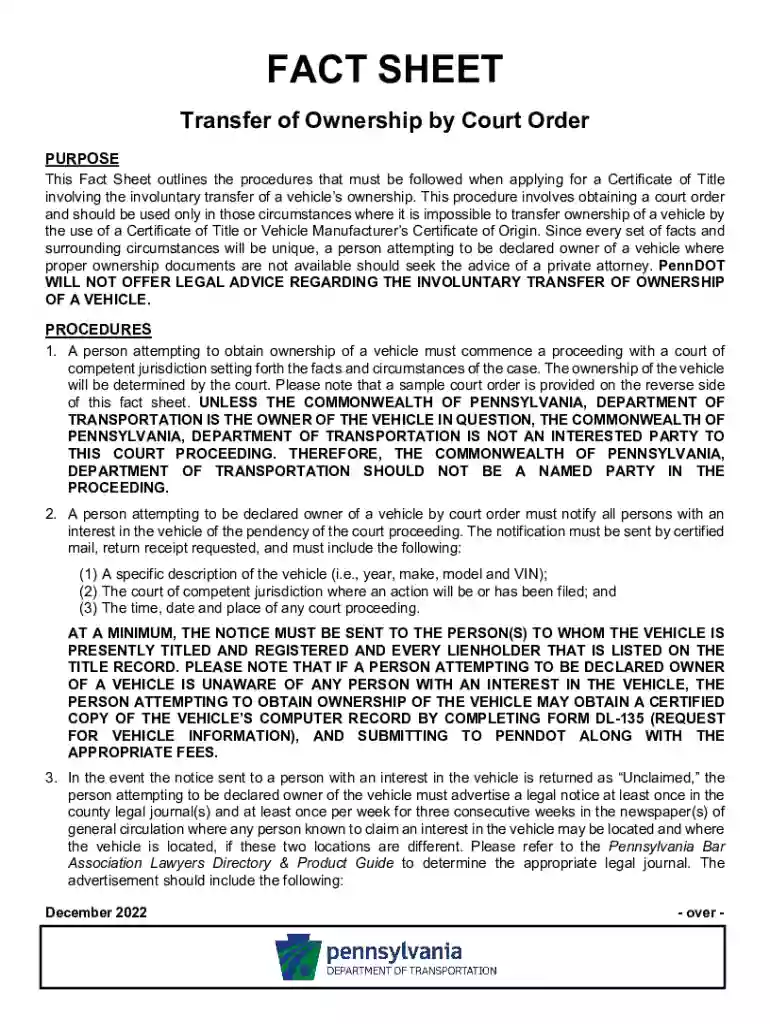
Type text, add images, blackout confidential details, add comments, highlights and more.

Draw your signature, type it, upload its image, or use your mobile device as a signature pad.

Send it via email, link, or fax. You can also download it, export it or print it out.
The "Buying or Selling a VehicleDriver and Vehicle Services" form is essential for individuals involved in the purchase or sale of a vehicle in the United States. It functions to ensure legal compliance during the transaction and provides necessary information to governmental entities responsible for vehicle registration and titling. It may include data about the buyer, seller, and the vehicle itself, ensuring that both parties are protected and the vehicle is properly documented for future reference.
Understanding the core purpose of this form is crucial for ensuring all legal and administrative details are correctly recorded. This helps prevent disputes between the buyer and seller and aligns with state regulations regarding vehicle ownership transfers.
Using the form correctly involves specific steps and ensuring all necessary details are accurately filled out. Here’s how to use it effectively:
Gather Information: Collect all necessary details including personal information of the buyer and seller, vehicle identification number (VIN), make, model, year, and odometer reading.
Complete Each Section: Fill out all areas pertaining to personal information, vehicle details, and transaction specifics. Make sure each section is complete to avoid issues during processing.
Signatures and Dates: Ensure the form is signed and dated by both parties. This might also require witnesses or notary in some states for further validation.
File with Appropriate Entity: Submit the completed form to the appropriate local DMV or state registry. This can typically be done through mail, online submission, or in-person delivery depending on the state requirements.
Completing the "Buying or Selling a VehicleDriver and Vehicle Services" form requires attention to detail. The following are detailed steps:
Identify Required Sections: Review the form to understand the sections you need to complete.
Input Accurate Information: Carefully input the vehicle’s VIN, description, and seller/buyer details.
Verify Odometer Reading: Federal regulations require accurate odometer disclosure for vehicle sales, so verify it.
Include Sale Price: Clearly state the agreed-upon sale price to avoid future legal disputes.
Double-Check for Completeness: Ensure no sections are left incomplete to avoid processing delays.
Process Documentation: Submit the documentation as required by local DMV, adhering to state-specific processes.
In addition to the form itself, several documents are typically required to complete the transaction:
Ensure all documents are current and valid to facilitate a smooth transaction process.
This form is critical for legally documenting the transfer of vehicle ownership. The primary reasons for its importance include:
Failing to properly execute this form can lead to significant legal ramifications and ownership disputes.
Legal use of the form is mandated to ensure compliance with federal and state laws. This involves:
Failure to comply with legal requirements can lead to fines, penalties, or voided transactions.
Each state may have specific requirements or variations of the form:
It is essential to consult with the local DMV or vehicle services department to ensure compliance.
Non-compliance with the form’s requirements or incorrect submissions can result in:
Proper completion and submission of the form help avoid these penalties and ensure a smooth transition of vehicle ownership.
We've got more versions of the Buying or Selling a VehicleDriver and Vehicle Services form. Select the right Buying or Selling a VehicleDriver and Vehicle Services version from the list and start editing it straight away!
At DocHub, your data security is our priority. We follow HIPAA, SOC2, GDPR, and other standards, so you can work on your documents with confidence.
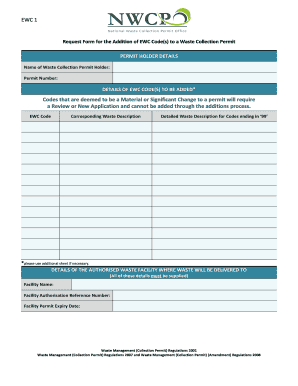
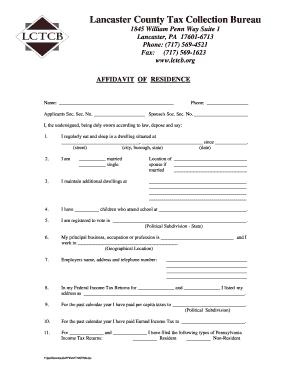

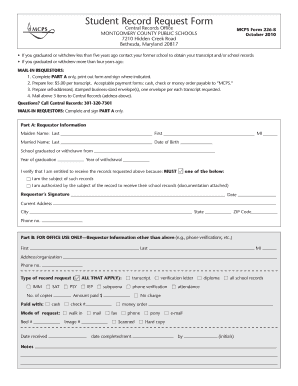

Vehicles are required to be titled in the buyers name within 30 days from the date of sale. Failing to properly transfer a vehicle into the buyers nameRead more
Buyer goes to the DMV to register the vehicle and must have: a signed Bill of Sale and Odometer Disclosure. Statement, a signed Certificate of Title, theRead more


