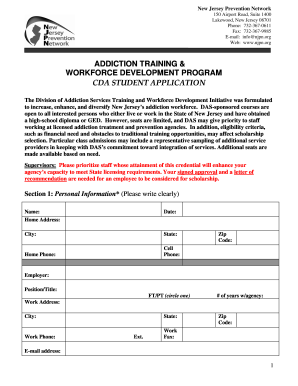
01. Edit your sole source template online
Type text, add images, blackout confidential details, add comments, highlights and more.

Type text, add images, blackout confidential details, add comments, highlights and more.

Draw your signature, type it, upload its image, or use your mobile device as a signature pad.

Send it via email, link, or fax. You can also download it, export it or print it out.
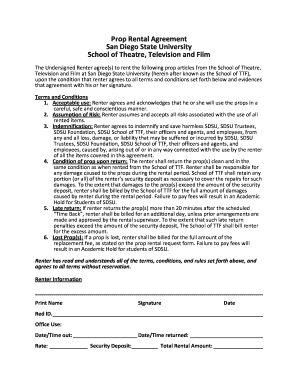
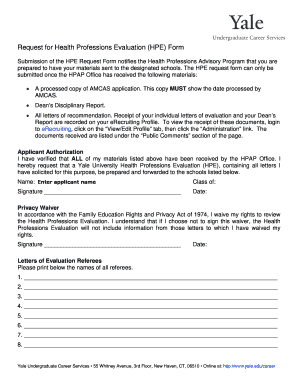
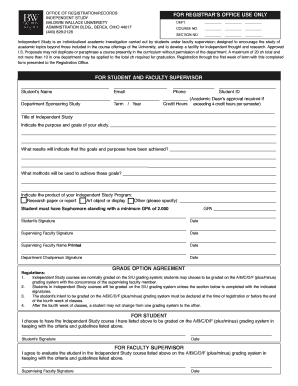
A "sole source template" refers to a document used to justify the purchase of goods or services from a single provider without undergoing a competitive bidding process. This template is essential when an organization deems only one supplier capable of fulfilling the specified requirements. It is often utilized in public sector procurement and large-scale projects, where transparency and accountability are paramount. The template typically includes sections to describe and support the rationale for a sole source procurement, such as details on the supplier's unique capabilities, the urgency of the purchase, and any proprietary aspects of the goods or services involved.
The sole source template is designed to capture detailed information that justifies the selection of a single supplier. Key elements included in the template often consist of:
Completing the sole source template requires careful consideration and documentation to ensure a thorough justification is provided. Follow these steps:
The sole source template is commonly used by procurement professionals in various sectors, particularly within government agencies, educational institutions, and large corporations. It serves as a critical tool for decision-makers who must ensure compliance with procurement policies and maintain transparency. Additionally, project managers and department heads might initiate the use of this template when specific project needs arise that warrant a sole source procurement strategy.


The legal use of a sole source template is governed by procurement regulations and policies that vary by jurisdiction and organization. In the United States, it is crucial that the use of the template aligns with federal, state, and local procurement laws. These regulations often require comprehensive documentation and justification for sole sourcing to prevent unfair practices and ensure accountability. Organizations must adhere to established guidelines, such as providing clear evidence of the rationale, maintaining proper records, and obtaining necessary approvals to avoid legal disputes.
Sole source templates used in procurement processes may require compatibility with various software systems used by organizations for document management and workflow automation. In many cases, these templates are digitized and integrated with procurement software solutions like SAP, Oracle Procurement, and other enterprise resource planning (ERP) systems. Ensuring software compatibility facilitates easy creation, submission, and tracking of sole source justifications, streamlining the approval process and ensuring consistency in documentation.
Practical examples of using a sole source template often involve scenarios where a specific expertise or proprietary technology is necessary. For instance:
Non-compliance with sole source procurement policies can lead to several penalties, including legal action, financial penalties, and damage to an organization’s reputation. Non-compliance may result from inadequate justification, failure to conduct thorough market research, or bypassing approval processes. Organizations must ensure all necessary documentation is complete and approvals are secured to mitigate risks. Failure to adhere to prescribed guidelines and regulations can lead to the invalidation of contracts and potential financial losses.
We've got more versions of the sole source template form. Select the right sole source template version from the list and start editing it straight away!
At DocHub, your data security is our priority. We follow HIPAA, SOC2, GDPR, and other standards, so you can work on your documents with confidence.