Definition and Meaning of Shiekh Return Policy
The Shiekh Shoes Return Policy serves as a structured guideline detailing how customers can return or exchange items purchased from Shiekh Shoes. Primarily, it outlines conditions such as the timeframe in which returns are accepted, which is typically within 30 days, and the state of the items, which must be unworn and undamaged. Understanding this policy is crucial for customers to ensure compliance and eligibility for refunds or exchanges. The document also specifies procedures for both customers seeking a refund and those wishing to exchange products. This policy aids customers in navigating the return process with clarity and supports Shiekh Shoes in managing returns effectively.
Key Elements of the Shiekh Return Policy
The return policy is composed of several essential elements designed to facilitate the return process for customers while safeguarding the store’s business interests. These elements include:
- Timeframe for Returns: Customers may return full-priced merchandise within 30 days.
- Condition Requirements: Items must be unworn and undamaged to qualify for a return.
- Exchange Process: A distinct process for exchanges is provided, incorporating a $7.95 exchange fee.
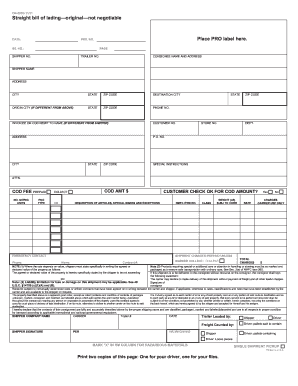
- Return Authorization Form: Customers must fill out this form, detailing necessary information and return codes.
- Packaging Instructions: Specific guidelines on how to pack return items to avoid damage during transit.
- Restocking Fees: Potential additional fees that may apply in certain circumstances.
- Shipping Reimbursement: Procedures for obtaining reimbursement on return shipping costs in the event of order errors.
Steps to Complete the Shiekh Return Policy Process
- Review Eligibility: Confirm the item is within the returnable timeframe and meets the unworn, undamaged condition criteria.
- Complete the Return Authorization Form: Fill out all required sections, ensuring accuracy in customer information and reason codes.
- Prepare the Item for Return: Follow detailed packaging instructions to protect the product.
- Include Required Documentation: Attach the return authorization form and any other necessary documentation inside the return package.
- Send the Package: Return the package using the preferred shipping method. Retain the tracking number for reference.
- Monitor and Follow-Up: Track the return shipment and follow up with customer service if necessary to confirm receipt and processing of the return or exchange.
Why Use the Shiekh Return Policy?
Utilizing the return policy ensures both customer satisfaction and operational efficiency. From a customer perspective, it provides peace of mind knowing there is a clear procedure for returning unsuitable items. For Shiekh Shoes, the policy helps standardize return processing, minimizing errors and disputes.
- Consumer Assurance: Provides customers with clear expectations and a formal process to address product dissatisfaction.
- Operational Efficiency: Streamlines the return process, reducing backlog and potential disputes.
- Enhanced Satisfaction: Increases the likelihood of repeat business by fostering a trustworthy and organized buying experience.
How to Obtain the Shiekh Return Policy
The Shiekh Return Policy is accessible through various means, ensuring customers are well-informed:
- Online Access: The policy can be viewed and downloaded directly from the Shiekh Shoes website, guaranteeing it is the most current version.
- In-Store Availability: Printed versions of the policy are available at physical store locations upon request.
- Customer Service Inquiries: Customers can contact Shiekh's customer service to receive a copy via email or postal service.
Examples of Using the Shiekh Return Policy
Consider a customer who purchased a pair of shoes online that do not fit as expected. By referring to the return policy, they can follow these steps:
- Within the 30-day window, the customer verifies the shoes meet the criteria of being unworn and undamaged.
- They then download and complete the return authorization form from the website.
- After packaging the shoes as instructed, they use a trackable shipping method to send the package back to Shiekh.
- The customer monitors the return status through the tracking number and receives notification of the successful processing of their return, leading to a refund.
A second scenario involves a customer receiving a defective product. According to the policy, they could be eligible for shipping reimbursement and should document the defect clearly on the return form, thereby streamlining the resolution process.
Important Terms Related to the Shiekh Return Policy
Understanding the terminology used within the return policy is crucial for compliance and effective communication. Key terms include:
- Return Authorization: A mandatory formality required to initiate the return or exchange process.
- Restocking Fee: A potential charge applied to returned items not meeting specific return conditions.
- Return Codes: Specific codes indicating the reason for a return, essential for processing and feedback purposes.
- Refund vs. Exchange: Distinction between receiving monetary reimbursement or swapping the item for another product.
Legal Use of the Shiekh Return Policy
The legal framework surrounding return policies ensures consumer rights are protected. The Shiekh Return Policy complies with federal and state regulations, providing a fair process for both the store and its customers. Legal use of the policy involves:
- Ensuring all disclosures and procedures meet consumer protection laws.
- Adhering to documented timelines and conditions for lawful processing.
- Implementing transparent communication channels for dispute resolution.
State-Specific Rules for the Shiekh Return Policy
Though the Shiekh Shoes Return Policy is designed to be universally applicable within the U.S., it is essential to be aware of any state-specific regulations that may affect returns:
- Some states may have specific rules regarding return windows, restocking fees, or consumer rights that could override aspects of the store's policy.
- Customers should verify they are not subject to additional state-specific requirements that might influence their eligibility for returns or exchanges.
Understanding these nuances can help ensure full compliance and proper utilization of the return policy within any applicable legal framework.