Definition and Meaning of "Form Online"
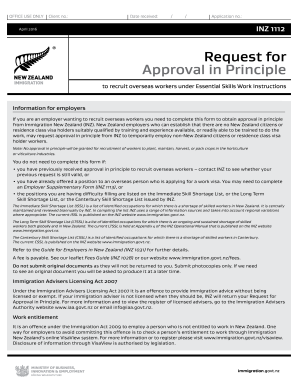
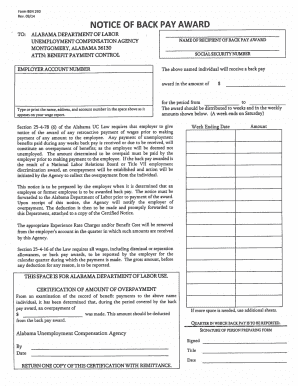
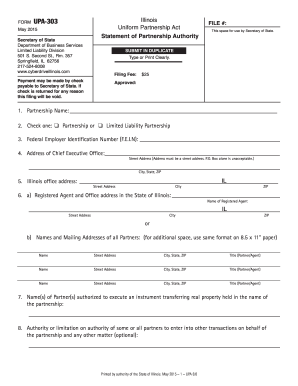
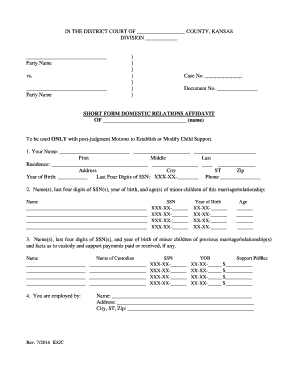
The term "form online" refers to a digital version of a document or application that can be accessed and filled out on the internet. These forms serve multiple purposes, such as collecting information, processing applications, and enabling electronic signatures. They are designed for convenience, accessibility, and efficiency, allowing users to complete necessary paperwork without the need for physical documents. Online forms are commonly used in various sectors, including government, business, healthcare, and education.
Key Characteristics
- Accessibility: Users can access online forms from any device with an internet connection, eliminating geographical and scheduling barriers.
- Efficiency: Online forms often include features like auto-fill, validation, and logic that streamline the process and reduce errors.
- Security: Modern online forms incorporate encryption and authentication measures to protect user data and ensure privacy.
- Versatility: These forms can adapt to multiple purposes, such as surveys, registrations, and official applications.
How to Use the Form Online
To use an online form, users typically follow a series of straightforward steps to ensure accurate and complete submission.
Step-by-Step Instructions
- Access the Form: Visit the designated website where the form is hosted, often accessible through a link shared by an organization or found via a search engine.
- Read Instructions: Carefully review any provided instructions or guidelines to understand the requirements and necessary documentation.
- Fill Out Information: Enter the required information, often organized into sections like personal details, contact info, and specific queries or requests.
- Review for Accuracy: Double-check all entered information to prevent mistakes that might delay processing.
- Submit the Form: Click on the submit button to send your completed form to the recipient. Confirmation messages or emails typically follow successful submissions.
Practical Example
For instance, applying for a business license may require completing an online form provided by a state’s department of revenue, including sections for business details, fee payments, and compliance declarations.
Steps to Complete the Form Online
Completing an online form is usually broken down into manageable sections, simplifying the overall process.
Detailed Process
- Gather Required Information: Have all necessary documentation or information on hand before starting the form to expedite the process.
- Sectional Completion: Tackle the form section by section, ensuring each part is thoroughly completed before moving forward.
- Uploading Documents: If required, upload supporting documents by following the platform’s specifications for file size and format.
- Digital Signature: For forms requiring a signature, use a digital signature tool to sign electronically.
Benefits of Using Forms Online
Utilizing online forms provides numerous advantages over traditional paper-based forms.
Efficiency and Cost Savings
- Reduced Costs: Eliminates the need for physical materials and reduces mailing costs.
- Time Savings: Users can complete and submit forms faster, often receiving instant confirmation and acknowledgment.
Accessibility and Flexibility
- 24/7 Availability: Access forms at any time, accommodating different schedules and time zones.
- Mobile Compatibility: Complete forms on-the-go using mobile devices, ensuring tasks are not limited to a desktop environment.
Key Elements of the Form Online
Understanding the critical elements within an online form helps to ensure precision when completing it.
Common Features
- User Interface: Designed to be intuitive and user-friendly, accommodating users with different levels of technical expertise.
- Field Validation: Built-in checks to alert users of missing or improperly formatted data.
- Conditional Logic: Questions may adjust based on previous answers to tailor the form to specific user needs.
Legal Use of the Form Online
Online forms often hold legal significance, especially when they include elements like electronic signatures.
Compliance and Validity
- Electronic Signatures: Legally recognized under acts such as the ESIGN Act, providing the same enforceability as handwritten signatures.
- Data Protection: Compliance with data protection laws ensures users' information is secure and used appropriately.
Who Typically Uses the Form Online
Various individuals and organizations utilize online forms for different purposes.


Common Users
- Businesses: Use forms for client intake, service applications, and feedback collection.
- Individuals: Engage with forms for personal applications, registrations, and official requests.
- Government Agencies: Provide citizens with forms for tax filings, permits, and benefits applications.

Important Terms Related to Form Online
Familiarity with terminology in the context of online forms can assist in their effective use.
Glossary of Terms
- Auto-fill: A feature that automatically populates form fields with previously saved data.
- Responsive Design: Ensures forms are accessible and functional across different devices and screen sizes.
- Encryption: A method of protecting data by converting it into a code to prevent unauthorized access.
These sections provide comprehensive coverage on the topic of online forms, detailing their functionality, benefits, and applications.