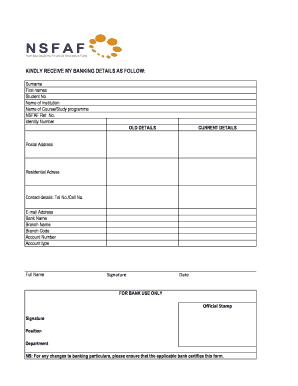
Definition and Meaning of Form Online
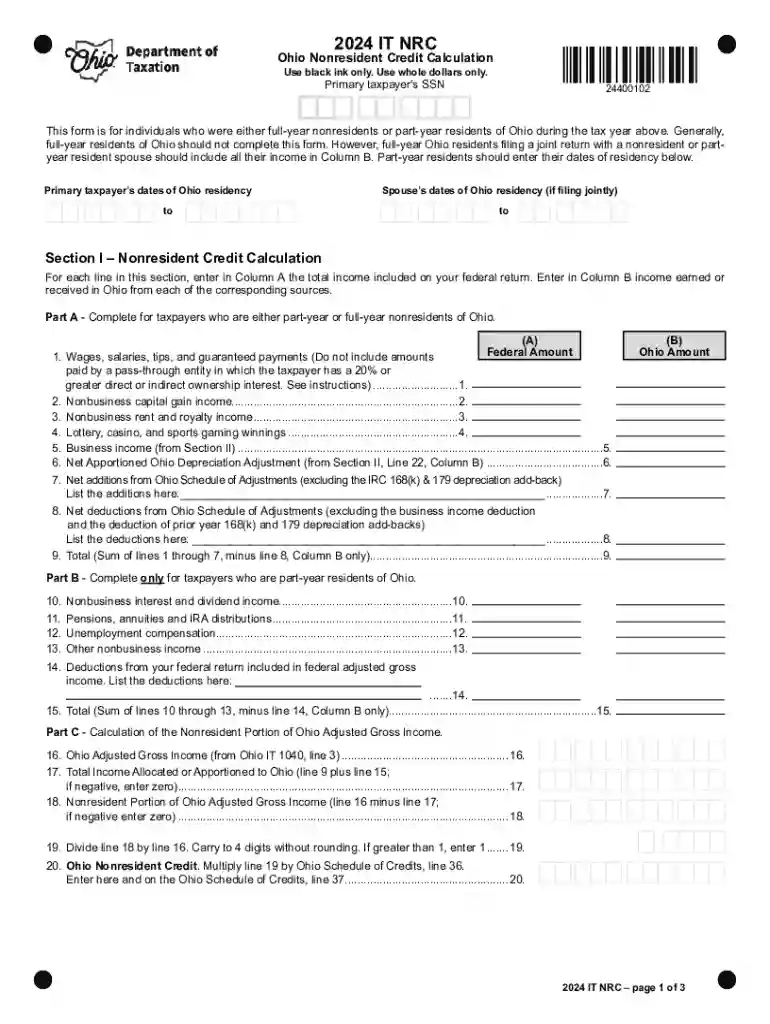
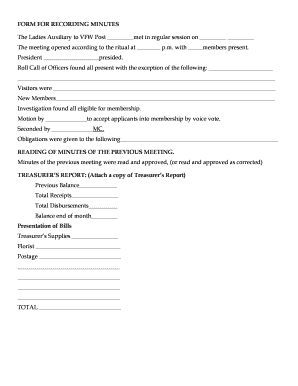
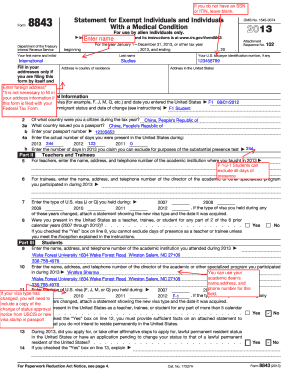
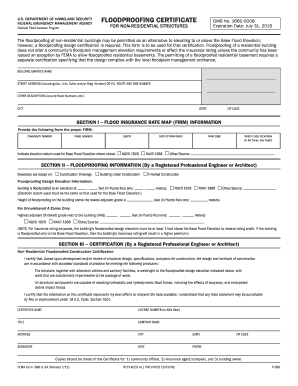
Forms online are digital versions of documents that are traditionally completed using paper versions. These forms are accessible and fillable through a web platform, like DocHub, enabling users to complete various tasks such as applications, filings, and registrations from anywhere with internet access. These documents range across various categories, including tax filings, legal applications, business documentation, and more.
Benefits of Using Forms Online
- Convenience: Users can fill out forms from any location without needing to print and physically fill out documents.
- Efficiency: Forms can often be submitted directly online, speeding up processing times.
- Environmental Impact: Reduces the need for paper, contributing to environmental conservation efforts.
How to Use the Form Online
Utilizing a form online typically involves several straightforward steps that can be completed through platforms like DocHub.
General Steps
- Access the Form: Navigate to the specific online platform hosting the form.
- Fill in Required Information: Enter information directly into designated fields on the electronic form.
- Review and Revise: Double-check all entered data for accuracy and completeness.
- Submit the Form: Click the submit button to send the completed form to the relevant entity or institution.
Practical Tips
- Ensure all mandatory fields are filled to avoid processing delays.
- Use any platform-provided tools to save progress if unable to complete in one sitting.
How to Obtain the Form Online
Accessing a form online is streamlined through various digital platforms. Here’s how you can efficiently locate and acquire these forms through DocHub:
Steps to Acquire Forms
- Visit the Platform: Go to the DocHub website or application.
- Search for Specific Forms: Use the search function to find the desired form by name or number (e.g., W-9).
- Download or Open: Select the form to either download it or start filling it online directly.
Access Tips
- Always ensure you're on a secure platform before downloading forms to prevent data breaches.
- For official forms (like government forms), ensure you are accessing them from a verified source.
Steps to Complete the Form Online
Completing a form online involves a systematic approach to ensure accuracy and compliance:
Detailed Procedure
- Begin with Personal Information: Input basic personal details in the form fields.
- Complete Section-wise: Progress through the form by filling out each section methodically to avoid missing information.
- Attachments: If the form requires additional documents, ensure they are uploaded in the correct formats.
- Review and Submit: Check for errors or omissions before finalizing and submitting the form.
Considerations
- Be aware of character limits on specific fields that can impact data entry.
- Use form guides or help sections if available, particularly for complex forms.
Reasons to Form Online
Filling out forms online offers several distinct advantages, compelling many users to prefer them over traditional methods.
Key Advantages
- Speed and Efficiency: Immediate processing and feedback are possible compared to postal submissions.
- Enhanced Security: Platforms like DocHub provide encryption and security measures to protect sensitive data.
- Automatic Calculation: For forms involving math, automated tools can eliminate human errors in calculations.
User Testimonials
Many users cite the reduction in physical paperwork and increased convenience as primary reasons for choosing online forms.
Primary User Groups
- Businesses: For compliance and commercial documentation.
- Individuals: Completing personal applications such as taxes or benefits.
- Educational Institutions: For processing applications and administrative paperwork digitally.
Use Case Scenarios
- Students applying for educational grants or enrollments.
- Entrepreneurs filing business formation documents.
Key Elements of the Form Online
A well-structured online form should present clear and accessible fields for users to input necessary information.
Essential Components
- Header Information: Includes the title and purpose of the form.
- Input Fields: Text boxes, checkboxes, dropdown menus to collect data.
- Submission Controls: Buttons or commands to submit the completed form.
- Instructions: Help text or tooltips to guide users through filling out the form.
User Interface Design
Forms should be designed to be intuitive and responsive for a seamless user experience across devices.
Legal Use of the Form Online
To ensure forms are used lawfully and appropriately, understanding legal parameters is crucial.
Compliance Considerations
- Jurisdictional Regulations: Forms must adhere to applicable state and federal laws.
- Data Protection: Secure handling of personal data to comply with regulations like GDPR or CCPA.
Common Imperatives
Users must verify the authenticity of the form and the platform used to submit it to prevent misuse or fraud.