Definition & Meaning
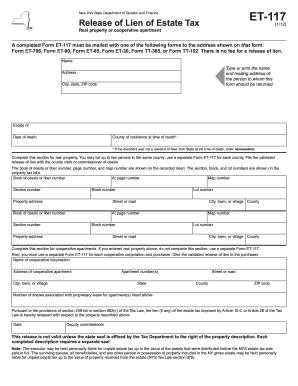
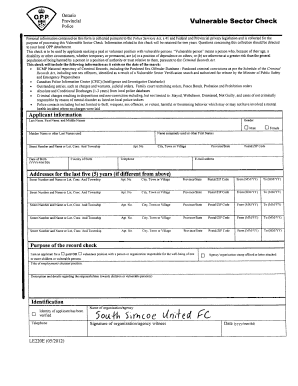
Creating forms that can be filled out by clients refers to the process of designing documents with fillable fields, allowing recipients to input information directly into specified sections. These forms serve various purposes, such as collecting client data, conducting surveys, or formalizing agreements. They are essential in contexts where structured information collection is needed, ensuring respondents provide data in a consistent and organized manner. Fillable forms can include elements like text boxes, checkboxes, dropdown menus, and signature fields, each tailored to capture specific types of data efficiently.
How to Use Fillable Forms
Utilizing fillable forms involves a straightforward process aimed at facilitating data collection from clients. Once a form is created, it can be distributed to clients via email, cloud services, or embedded on a website. Recipients can then complete the form using a computer or mobile device. The interactive elements guide users in providing necessary information accurately. For example, a drop-down menu can offer predefined options for selection, minimizing entry errors. Once completed, clients can submit the form electronically, supporting seamless data integration with existing workflows.
Steps to Complete Fillable Forms
-
Access the Form: Receive the form via email, download it from a cloud service, or access it through a website.
-
Open the Form in Compatible Software: Ensure you use compatible software like DocHub or Adobe Acrobat to fill out the document.
-
Identify Required Fields: Review the form to understand which sections require your input, often indicated by asterisks or labels.
-
Enter Information: Fill out the text boxes, select options from dropdown menus, and check boxes where appropriate.
-
Attach Necessary Documents: If required, attach supporting documents by following specific instructions provided within the form.
-
Review Your Entries: Double-check your responses to ensure all necessary information is accurate and complete.
-
Submit the Form: Use the provided submission method, such as emailing the form, uploading it to a designated portal, or submitting it directly through software like DocHub.
Key Elements of Fillable Forms
- Text Boxes: Used for entering names, addresses, or short responses.
- Drop-Down Menus: Offer a set range of selections to maintain standardized responses.
- Checkboxes: Ideal for selecting multiple options or indicating acceptance.
- Signature Fields: Allow for collecting legally binding electronic signatures.
- Instructional Text: Provides guidance on completing each section accurately.
- Validation Rules: Ensure data entered meets predefined criteria for format and content.
Software Compatibility
Fillable forms must be compatible with various software applications to maximize usability. Solutions like DocHub, Adobe Acrobat, and Microsoft Word support editing and completing these forms. DocHub, for instance, offers tools for creating, editing, and managing forms directly from a web browser, eliminating the need for additional software installations. Ensuring compatibility across platforms and devices enhances accessibility, allowing users to fill out forms on both desktop and mobile devices seamlessly.
Legal Use of Fillable Forms
Incorporating fillable forms in business processes necessitates adhering to legal standards, especially when gathering sensitive information or obtaining electronic signatures. Forms must comply with regulations such as the eSign Act, confirming that electronic signatures collected are legally binding. Additionally, privacy laws like GDPR or CCPA dictate how collected data should be handled, requiring clear consent and transparent data usage policies. Ensuring that security measures, such as encryption, are in place safeguards against unauthorized access and breaches.
Examples of Using Fillable Forms
- Client Intake Forms: Used by service providers to gather client information before appointments.
- Employment Applications: Facilitate the submission of job applications directly through company websites.
- Survey Forms: Collect feedback or market research data efficiently.
- Agreement and Contracts: Formalize agreements with electronic signatures for swift execution.
- Event Registrations: Streamline the registration process by capturing attendee details and preferences.
Who Typically Uses Fillable Forms
Various professionals and organizations leverage fillable forms, including:
- Healthcare Providers: For patient intake and insurance forms.
- Legal Firms: To draft contracts and agreements requiring signature.
- Educational Institutions: For admissions applications and consent forms.
- Real Estate Agents: For property listings and transaction agreements.
- Financial Services: To process loan applications and client onboarding efficiently.