




01. Edit your form online
Type text, add images, blackout confidential details, add comments, highlights and more.

Type text, add images, blackout confidential details, add comments, highlights and more.

Draw your signature, type it, upload its image, or use your mobile device as a signature pad.

Send it via email, link, or fax. You can also download it, export it or print it out.
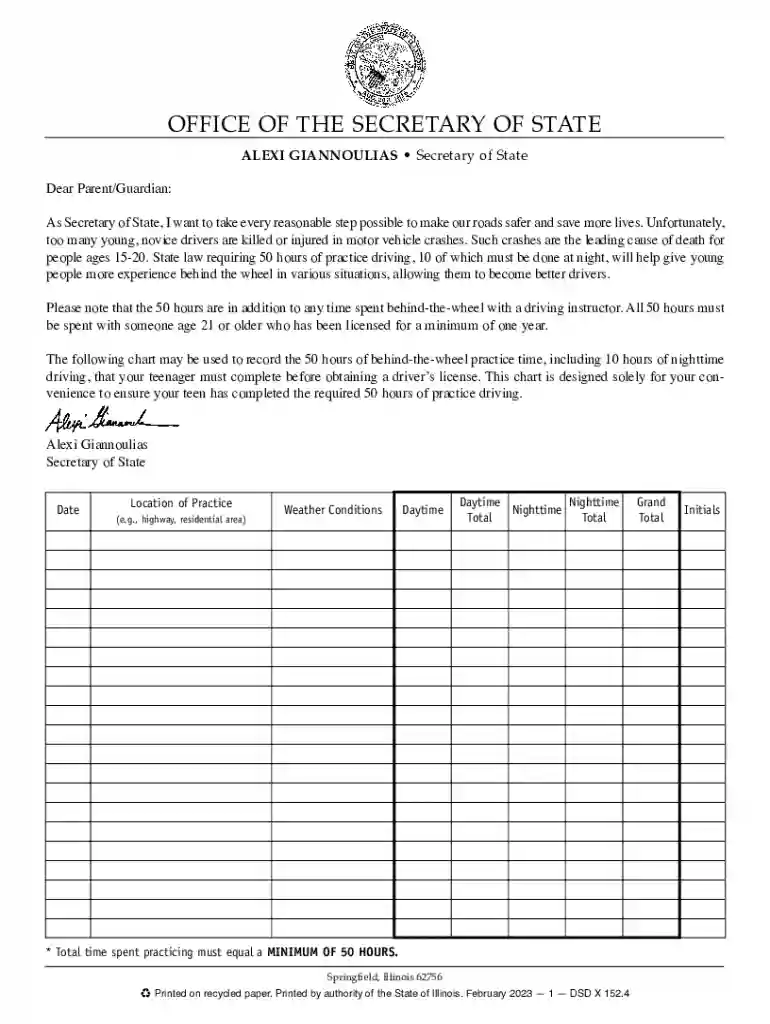
The "50 Hours Practice Driving Log" is an essential tool for tracking a novice driver's progress in acquiring essential driving skills. This log records a young driver's practice hours, emphasizing the completion of fifty hours of driving practice. Of these fifty hours, ten must be achieved during nighttime to ensure comprehensive skill development in diverse driving conditions. This form is vital for demonstrating compliance with state requirements that are designed to improve the safety of young drivers.
Understanding how to effectively use the driving log is critical for accuracy and meeting state requirements. The log should be updated consistently each time a practice session is completed.
Record Each Session: After each driving session, note the duration and type of practice (daytime or nighttime). Include specific details such as weather conditions, types of roads driven on, and any particular skills practiced, such as parallel parking or freeway driving.
Driver and Supervisor Signatures: Both the novice driver and the responsible adult supervising the session should sign the log to attest to the accuracy of the information.
Regular Reviews: Periodically reviewing the log helps both the driver and the supervisor identify areas that require additional practice.
This log is a crucial element in the journey from learner to licensed driver, with its importance rooted in legal, educational, and safety aspects.
While each state may have slight variations in the form or its accessibility, the process to obtain it is generally straightforward.
Completing the driving log involves consistent and accurate documentation during the driver training period.
Setup: Download or acquire a copy of the log from your local DMV or certified driving school.
Document Each Session: Fill in the required details after every driving practice, noting the date, duration, conditions, and any other critical factors discussed above.
Review and Sign: Both the learner and the supervising adult should review the log for accuracy and then sign off, confirming the recorded hours.
Submit Upon Completion: Once the practice hours are fully logged, submit the completed document as part of the driver's licensing process if required.
Each state may mandate different specifications regarding the driving log, making it crucial to verify local requirements.
Recognizing the core components of the driving log will ensure each critical detail is appropriately documented.
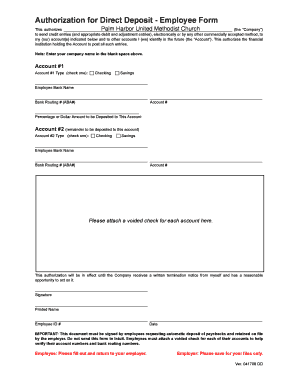
We've got more versions of the 50 Hours Practice Driving Log form. Select the right 50 Hours Practice Driving Log version from the list and start editing it straight away!
At DocHub, your data security is our priority. We follow HIPAA, SOC2, GDPR, and other standards, so you can work on your documents with confidence.

You must record your 50 driving hours in a Log of Supervised Driving, which you need to present to the DOT when you apply for the drivers license.
Driving Log section the completion of at least fifty (50) hours of actual driving experience. This includes ten (10) hours of driving experience
Oct 17, 2024 The exam has two parts: a skills test (on the course) and a road test (in the city). The course includes a slalom, ramp, riding between lines


