




01. Edit your form online
Type text, add images, blackout confidential details, add comments, highlights and more.

Type text, add images, blackout confidential details, add comments, highlights and more.

Draw your signature, type it, upload its image, or use your mobile device as a signature pad.

Send it via email, link, or fax. You can also download it, export it or print it out.
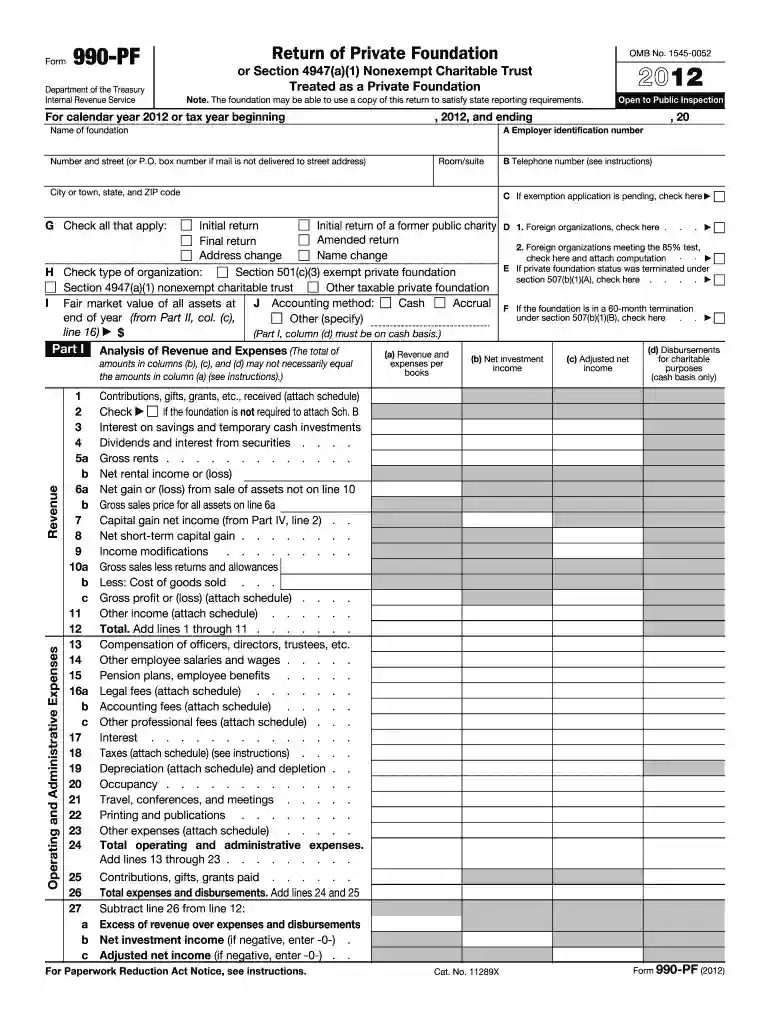
The "Taxes (attach schedule) (see instructions)" form, often used in the context of tax returns, requires taxpayers to attach a detailed schedule to their filing. This schedule serves as a supplementary document, providing in-depth financial details that support the information reported on the main tax return. The instruction to "see instructions" highlights the need for taxpayers to carefully follow specific guidelines issued by the IRS to ensure the form's correct completion. This form is integral for maintaining compliance with tax regulations and ensuring all relevant financial data is fully disclosed.
Review the Instructions: Begin by carefully reading the IRS instructions related to the form. These instructions will guide the correct information you need to gather and report.
Collect Financial Information: Gather all necessary financial documents, such as receipts, bank statements, and investment records, to ensure accurate reporting on the form.
Prepare the Tax Schedule: Complete the required schedule, detailing income, deductions, or credits as specified. Pay close attention to formatting and numerical accuracy.
Attach the Schedule: Attach the completed schedule to your main tax return. Double-check to ensure alignment with all numbers reported on the main form.
Cross-Verify Information: Before submission, verify that all fields match the supporting documentation and have been calculated according to IRS rules.
Submit the Tax Return: Submit the completed and attached form, along with your tax return, to the IRS by the given deadline.
This form is primarily used by individuals and businesses with complex tax situations that require additional documentation beyond the information reported in the standard tax return. Taxpayers with diverse income sources, investments, or deductions often need to provide schedules to substantiate their reporting. This is particularly common for self-employed individuals, rental property owners, investors, and businesses operating in multiple states. These groups benefit from providing detailed financial schedules to avoid discrepancies and potential audits.


The completion of this form necessitates a variety of documents, depending on the taxpayer's unique situation:
Each document ensures accuracy in filling out the tax schedule and supports claims made on the tax return.
The filing deadline for regular tax returns typically falls on April 15, or the following business day if the date lands on a weekend or holiday. Extensions can be filed to extend the deadline to October 15, but it's important to note that any taxes owed must still be paid by April 15 to avoid interest and penalties. Keeping track of these deadlines ensures timely submission and compliance with IRS requirements.
Failure to attach the required schedule or correctly completing it can result in penalties, such as fines or interest on unpaid taxes. Non-compliance may trigger audits or additional scrutiny from the IRS, which could complicate future tax filings. It is crucial to follow the IRS instructions and ensure all information is accurately and fully disclosed.
The IRS provides specific instructions for completing the form, which are essential for compliance. These guidelines include:
Adhering to these guidelines helps ensure that the schedule is completed accurately and the taxpayer's obligations are fully met.
Many tax preparation software programs, like TurboTax and QuickBooks, support the completion of tax schedules. These tools offer guided workflows, automation features, and error-checking functionalities to simplify the process:
By leveraging these software tools, taxpayers can ensure more precise and efficient form completion, minimizing the risk of errors.
We've got more versions of the Taxes (attach schedule) (see instructions) form. Select the right Taxes (attach schedule) (see instructions) version from the list and start editing it straight away!
| Versions | Form popularity | Fillable & printable |
|---|---|---|
| 2025 | 4.7 Satisfied (39 Votes) | |
| 2024 | 4.6 Satisfied (30 Votes) | |
| 2023 | 4.2 Satisfied (21 Votes) | |
| 2022 | 4.9 Satisfied (57 Votes) | |
| 2021 | 4.8 Satisfied (110 Votes) | |
| 2020 | 4.3 Satisfied (151 Votes) | |
| 2019 | 4.3 Satisfied (59 Votes) | |
| 2018 | 4.3 Satisfied (90 Votes) | |
| 2017 | 4.1 Satisfied (75 Votes) | |
| 2016 | 4.4 Satisfied (629 Votes) | |
| 2015 | 4.3 Satisfied (64 Votes) | |
| 2014 | 4.1 Satisfied (66 Votes) | |
| 2013 | 4.1 Satisfied (49 Votes) | |
| 2012 | 4.2 Satisfied (29 Votes) | |
| 2011 | 4.1 Satisfied (53 Votes) |
At DocHub, your data security is our priority. We follow HIPAA, SOC2, GDPR, and other standards, so you can work on your documents with confidence.


Information about Schedule SE (Form 1040), Self-Employment Tax, including recent updates, related forms, and instructions on how to file. Schedule SE (Form 1040)
See instructions. Keep a copy for your records. Under penalties of perjury, I declare that I have examined this return and accompanying schedules and
See the instructions on page 2. File this schedule with. Form 940. Place an X in the box of EVERY state in which you had


