
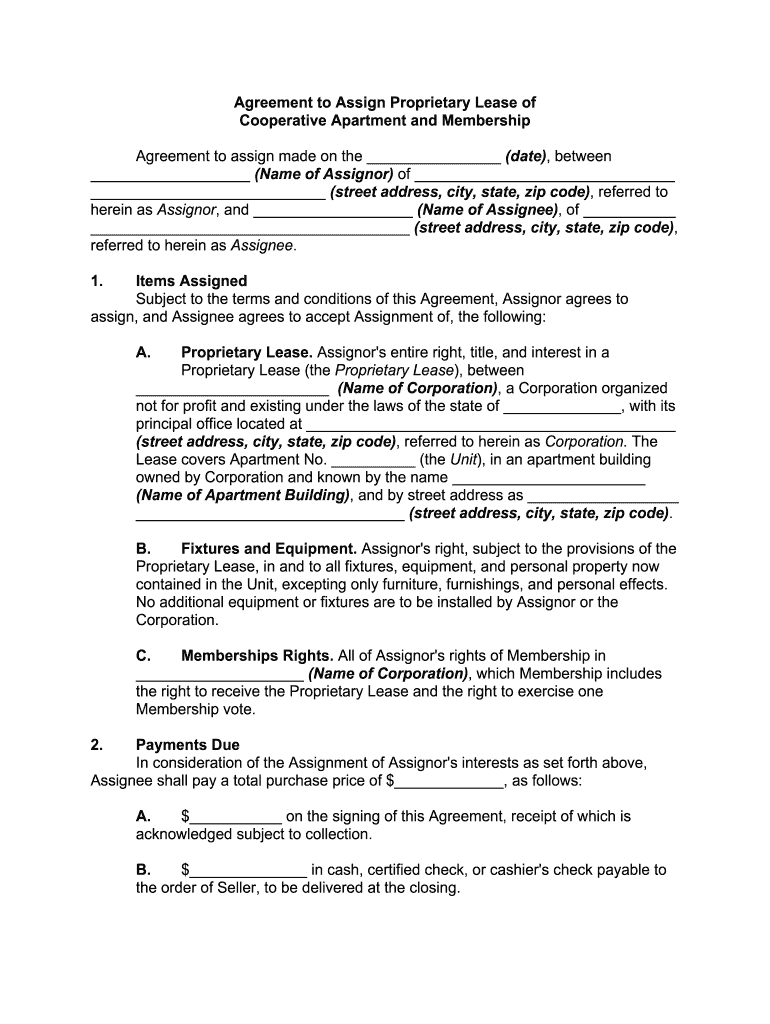







Definition and Meaning of Agreement Lease Form
An agreement lease form is a legal document outlining the terms and conditions under which one party, typically the landlord, grants another party, known as the tenant, the right to use and occupy a property for a specified period. This form serves as a binding contract that details the responsibilities and obligations of both parties, including rent payment, maintenance, and any restrictions on property use. It ensures that both parties are aware of and agree to the rules governing the lease agreement.
A critical aspect of an agreement lease form is that it formalizes the tenant's right to use the property while protecting the landlord's interests. The document often includes clauses related to security deposits, pet policies, and property alterations, providing a comprehensive framework for property management.
Key Elements of the Agreement Lease Form
A well-structured agreement lease form includes several key elements essential for clarity and legal compliance. These elements ensure that both the tenant and the landlord have a mutual understanding of their roles and responsibilities:
- Property Details: Includes the address and description of the leased property.
- Lease Term: Specifies the duration of the lease, such as one year or month-to-month.
- Rent Payment: Outlines the monthly rental fee, payment due date, and acceptable payment methods.
- Security Deposit: Details the amount required, conditions for its return, and any deductions that may be applicable.
- Maintenance Responsibilities: Highlights obligations regarding property upkeep for both the tenant and the landlord.
- Use Restrictions: Lists any limitations or rules regarding how the tenant can use the property.
- Termination Clause: Explains the conditions under which the lease can be terminated by either party.
How to Use the Agreement Lease Form
To effectively utilize an agreement lease form, follow these fundamental steps:
- Read Thoroughly: Before signing, both parties should carefully read the entire document to ensure understanding and agreement with all terms.
- Fill in Necessary Details: Provide accurate and complete information where required, such as personal details, lease term, and rental amount.
- Negotiate Terms: Discuss any clauses that would benefit from additional clarity or alteration to meet the specific needs of both parties.
- Sign the Agreement: Ensure both the tenant and the landlord sign and date the agreement to make it legally binding.
- Retain Copies: Both parties should keep a signed copy for their records.
Important Terms Related to Agreement Lease Form
Understanding specific legal terms within the lease agreement context is crucial:
- Assignor and Assignee: The assignor is the current party in a lease agreement who may transfer their rights to another party, the assignee.
- Subletting: The act of a tenant leasing part or all of the property to another individual, with the landlord's consent.
- Arbitration: A method of resolving disputes outside of court, often included in lease agreements to handle disagreements amicably.
- Fixtures: Permanent installations or appliances that are part of the property; the agreement should specify responsibility for maintenance.
Legal Use of the Agreement Lease Form
The agreement lease form functions within a legal framework that governs landlord-tenant relationships. This form's legal usage primarily serves to protect both parties:
- Enforceability: Once signed, the agreement is legally enforceable, enabling either party to take legal action if the other breaches its terms.
- State Laws: These forms must comply with local landlord-tenant laws, which may dictate specific clauses or rules that must be included.
State-Specific Rules for the Agreement Lease Form
Each state may have unique laws affecting the content and execution of lease agreements. Familiarity with these state-specific rules ensures:
- Compliance: Adhering to local regulations regarding maximum security deposit limits, interest on deposits, and notice periods for termination.
- Dispute Resolution: Understanding the formal processes for handling disagreements, often outlined within state statutes.
Steps to Complete the Agreement Lease Form
Completing an agreement lease form accurately is crucial for legality:
- Provide Tenant and Landlord Information: Include full names and contact information.
- Input Property and Lease Term Details: Specify the property's address and the exact lease dates.
- Describe Rent and Payment Terms: Note the monthly rent amount, payment methods, and late fees.
- Security Deposit Clause: Enter the deposit amount and conditions for return.
- Signatures: Both parties must sign to validate the contract.
Examples of Using the Agreement Lease Form
Practical examples help illustrate typical uses:
- Residential Lease: A family renting an apartment with a specific no-pets policy included in the lease form.
- Commercial Lease: A small business leasing office space with defined usage restrictions noted in the agreement.
- Shared Housing Lease: Two roommates signing a lease to share responsibility for a rental property.
These scenarios highlight the form's adaptability to different leasing needs, ensuring clear, legally sound agreements.




