




01. Edit your allergy injection form printable online
Type text, add images, blackout confidential details, add comments, highlights and more.

Type text, add images, blackout confidential details, add comments, highlights and more.

Draw your signature, type it, upload its image, or use your mobile device as a signature pad.

Send it via email, link, or fax. You can also download it, export it or print it out.
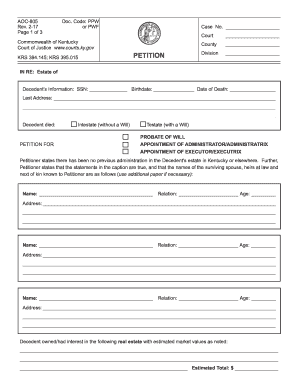
An allergy injection form printable is a structured document used primarily in healthcare settings to document and manage the administration of allergy injections. These injections are typically part of a treatment plan known as allergen immunotherapy, designed to decrease patient sensitivity to specific allergens. The form serves multiple purposes, such as capturing critical patient data, outlining precise dosing instructions, and providing a record of the patient's treatment history. It typically includes sections for patient identification, vial contents, dosage schedules, injection sites, and documentation of any adverse reactions. This form is crucial for ensuring patient safety and effective treatment outcomes.
When utilizing the allergy injection form printable, healthcare providers follow a systematic approach to ensure accuracy and comprehensiveness:
Patient Information: Start by filling in essential identification details, including the patient's name, date of birth, and contact information. This ensures that the form corresponds to the correct individual undergoing treatment.
Vial Information: Record specifics about the allergy vial, such as the type of allergen(s) contained, concentration, and expiration date. This information is vital for monitoring treatment efficacy and safety.
Dosage and Schedule: Document the prescribed dosage and recommended intervals between injections. Accurate recording ensures adherence to the treatment regime and helps in tracking progress over time.
Injection Details: Use the form to note the injection site and time of administration. Rotating injection sites can prevent localized reactions, and time tracking helps maintain regular treatment intervals.
Reaction Observation: Post-injection, observe and record any immediate adverse reactions. This data is critical for adjusting treatment protocols and ensuring patient safety.
Efficient and accurate completion of the allergy injection form printable involves several key steps:
Gather Necessary Information: Have access to the patient's medical history, current treatment plan, and the specific contents of the allergy vial.
Initialize the Form: Begin with patient identification and current date. Cross-reference this information with medical records to ensure consistency.
Detail Vial Contents: Accurately capture the type and concentration of allergens in the vial. Ensure the information matches what's labeled on the vial.
Administer Injection: Follow the specified dosage and administration instructions, recording the site and any observed reactions immediately.
Final Review and Signature: Verify that all entries are accurate and complete before signing off on the form. This includes confirming the observation period post-injection.
The essential components of a comprehensive allergy injection form printable include:
The allergy injection form printable is predominantly used by:


Legal considerations when using the allergy injection form printable include:
While the core function of allergy injection forms remains consistent, state-specific variations may include:
The choice between digital and paper formats of the allergy injection form depends on:
These sections address practical aspects of the allergy injection form printable, detailing its purpose, utilization, and the procedural framework necessary for effective use.
We've got more versions of the allergy injection form printable form. Select the right allergy injection form printable version from the list and start editing it straight away!
| Versions | Form popularity | Fillable & printable |
|---|---|---|
| 2011 | 4.6 Satisfied (63 Votes) |
At DocHub, your data security is our priority. We follow HIPAA, SOC2, GDPR, and other standards, so you can work on your documents with confidence.



latex allergy in the neuro-urological patient population repeat injections. A injections also need to address the uncertainty about the optimal dose and mode
ALLERGY INJECTIONS. Allergy injections are a form of desensitization called immunotherapy. The patient is gradually made less.Read more


