
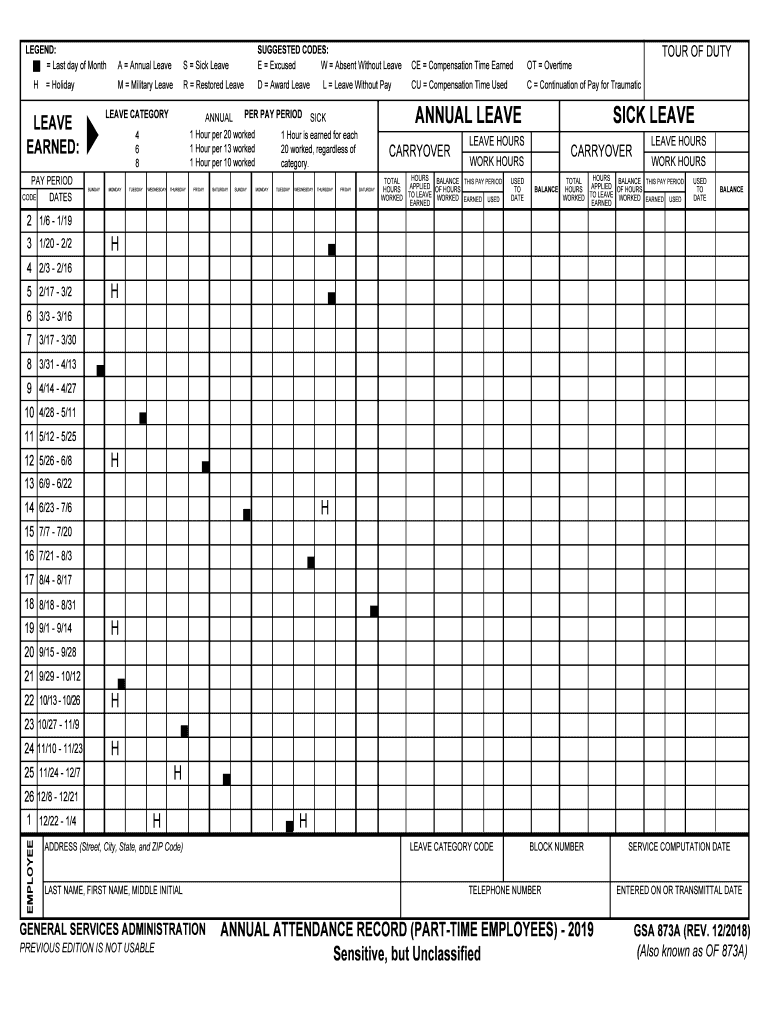







Definition and Meaning of the Calendar Legend - NCTQ
The "calendar legend - NCTQ" refers to a specialized tool, likely used by educational institutions, to decode symbols and markings used in the National Council on Teacher Quality's academic calendars. This legend simplifies the navigation of complex academic schedules, offering clarity on specific dates, events, or deadlines that might otherwise be confusing. Users can understand the start and end of terms, holidays, professional development days, and other key dates at a glance, helping schools and educators plan their activities effectively.
How to Use the Calendar Legend - NCTQ
To use the calendar legend effectively, first locate the legend section, typically found alongside or on the first page of NCTQ academic calendars. Familiarize yourself with each symbol or code in the legend. When reviewing the calendar, cross-reference any unfamiliar marks with the legend. For example, a symbol of a book might indicate a reading day, while an apple might signify a professional development day for teachers. This practice ensures an accurate interpretation of the calendar and helps stakeholders plan accordingly.
Key Elements of the Calendar Legend - NCTQ
The calendar legend includes various elements, such as date indicators and special symbols. Key components might consist of:
- School Year Start and End Dates: Typically noted with distinctive icons or bold markings.
- Holidays and Breaks: Symbols like stars or color-coded sections to signal major holidays like Thanksgiving, Christmas, or spring break.
- Professional Development Days: Often marked with a specific icon to denote days set aside for teacher training.
- Parent-Teacher Conferences: Indicated with a meeting or handshake icon, showing planned interaction days between parents and educators.
- Assessment Periods: Denoted with clock or pencil motifs, pointing out midterms, finals, and significant statewide testing periods.
Understanding these components will allow you to effectively utilize the calendar in planning educational activities.
Important Terms Related to Calendar Legend - NCTQ
When working with the calendar legend, it's crucial to understand terms that commonly appear:
- PD Day: Short for Professional Development Day, dedicated to training and growth for educators.
- In-Service Day: Another term for days when teachers attend training but students do not attend school.
- Early Dismissal: Days when students leave sooner than the usual time, often for staff meetings or emergencies.
- Semester/Trimester: Defines the division of the school year into two or three main segments, respectively.
Each term helps in comprehending the nuances of the academic schedule.
Steps to Complete the Calendar Legend - NCTQ
- Obtain the Calendar: Acquire the NCTQ calendar containing the legend, either through your institution or via an NCTQ resource.
- Highlight Individual Symbols: Carefully review the legend section and highlight or annotate symbols that are unclear or particularly relevant to your needs.
- Cross-Reference: As you move through the calendar, match each symbol found on specific dates with its description in the legend.
- Plan Accordingly: Use the clarified schedule to plan lesson plans, school events, or personal commitments around key school dates.
- Review Regularly: Revisit the legend regularly to refresh your understanding and ensure no important date is overlooked.
Following these steps ensures an accurate interpretation and effective planning based on the calendar.
Who Typically Uses the Calendar Legend - NCTQ
The calendar legend is primarily used by:
- Teachers: To plan lesson schedules and anticipate professional development days.
- School Administrators: For strategic planning of the school year and event coordination.
- Parents and Students: To stay informed about holidays, exams, and parent-teacher meetings.
- Education Policy Makers: To align schools’ schedules with policy requirements and state guidelines.
Each group leverages the calendar legend to optimize their engagement with the academic calendar.


State-Specific Rules for the Calendar Legend - NCTQ
While the NCTQ may provide overarching frameworks, specific symbols might differ based on state regulations. For instance:
- State Holidays: Unique state holidays, like Patriots’ Day in Massachusetts, would have state-specific icons.
- Testing Periods: States with specific testing requirements might have unique symbols indicating these dates.
- School Closure Protocols: States might have additional symbols to signify weather-related closures or state-mandated shut days.
Understanding state-specific nuances ensures compliance and proper planning.
Legal Use of the Calendar Legend - NCTQ
The calendar legend, as an official tool, must be used in line with legal guidelines:
- Educational Compliance: Schools must adhere to state and federal guidelines when setting academic schedules. The legend aids in transparent communication of these schedules.
- Accessibility Standards: Ensuring that these legends are available in accessible formats for individuals with disabilities is crucial.
- Parental Notification: Legends must effectively communicate critical dates, ensuring parents are well-informed about their child's school activities and requirements.
Adhering to these guidelines maintains the tool's integrity and compliance with educational policies.




