




01. Edit your form online
Type text, add images, blackout confidential details, add comments, highlights and more.

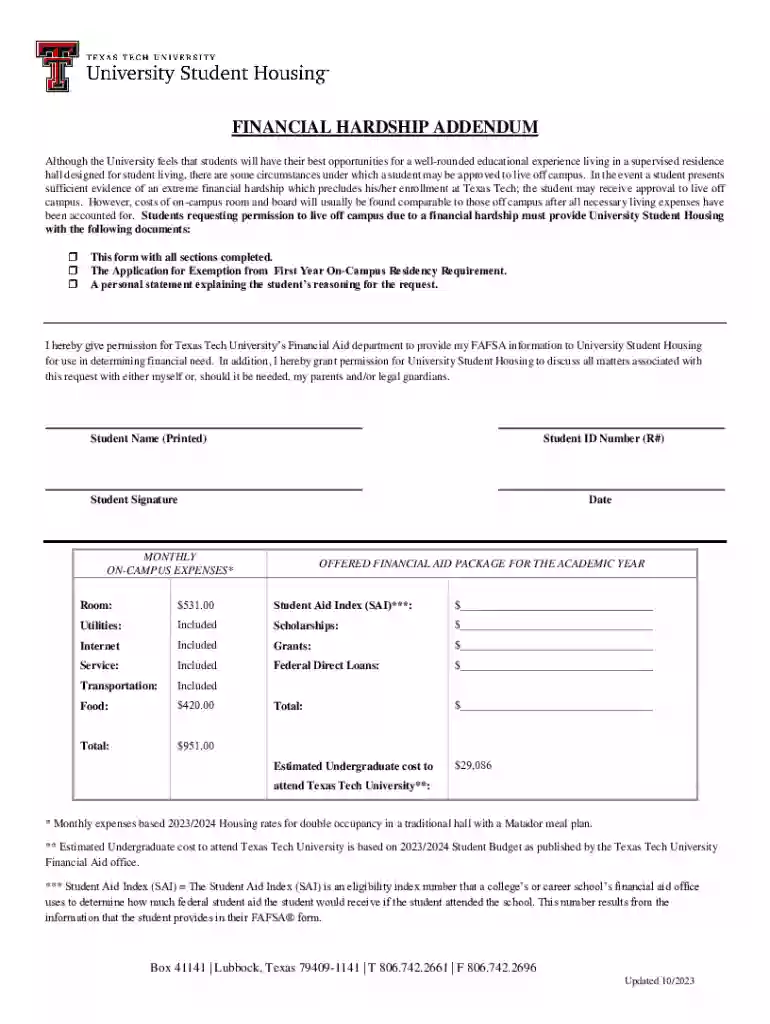
Type text, add images, blackout confidential details, add comments, highlights and more.

Draw your signature, type it, upload its image, or use your mobile device as a signature pad.

Send it via email, link, or fax. You can also download it, export it or print it out.
The "Untitled - UTHSC Catalog - University of Tennessee Health Science" serves as an essential resource for students, faculty, and staff associated with the University of Tennessee Health Science Center (UTHSC). This catalog provides comprehensive information related to admission requirements, academic programs, course descriptions, and institutional policies. Its primary purpose is to guide current and prospective students through their academic journey, ensuring they are well-informed about the university's offerings and regulatory standards.
The catalog also acts as an official document that outlines the academic and administrative landscape of the institution. Maintaining detailed records of courses, faculty credentials, and student services, it is an invaluable tool for both new and returning users. Additionally, academic advisors can refer to it when counseling students about program requirements and course selections.
To effectively utilize the UTHSC Catalog, users should first identify the specific section relevant to their needs, such as admissions or course descriptions. The catalog is generally organized into distinct sections, making it easier for users to navigate. Detailed instructions for accessing various academic and administrative services can be found within its pages.
Students can also use the catalog when planning their course load each semester. By reviewing course prerequisites and descriptions, they can better align their academic pursuits with career goals.
Completing enrollment at UTHSC involves several key steps outlined in the catalog. Understanding these procedures is crucial for timely and successful admission into the university.
Review Admission Requirements: Prospective students should first ensure they meet all general and program-specific requirements.
Submit Application: Follow guidelines detailed in the catalog for submitting applications, including any supplementary materials such as essays or recommendation letters.
Acceptance and Registration: Upon acceptance, students must register for their chosen courses, meeting deadlines specified in the catalog.
Orientation: Newly admitted students often need to attend orientation sessions to familiarize themselves with university life and resources.
Each step is accompanied by deadlines and specific instructions available in the catalog, making it a critical resource for applicants.
The UTHSC Catalog contains several key elements that users should be familiar with. These elements ensure the catalog is a comprehensive and reliable resource.
Understanding these elements is essential to make informed decisions regarding education and course management.
The primary users of the UTHSC Catalog include:
This broad user base underscores the catalog's role as a key informational resource within the university community.


The UTHSC Catalog holds significant legal importance as it outlines accredited programs and certifications. Maintaining accreditation status is crucial for educational institutions, ensuring that their programs meet national standards of quality.
These aspects highlight the catalog’s role in maintaining the university’s academic integrity and legal compliance.
Adherence to important deadlines and dates mentioned in the catalog is critical for students and faculty alike.
Missing these deadlines can lead to significant academic or administrative challenges, making the catalog's role in keeping everyone informed even more essential.
With advancements in technology, the UTHSC Catalog is accessible in both digital and paper formats. Each format offers unique benefits.
Whether opting for the digital or paper version, users benefit from having a reliable source of information that supports their academic endeavors.
We've got more versions of the Untitled - UTHSC Catalog - University of Tennessee Health Science form. Select the right Untitled - UTHSC Catalog - University of Tennessee Health Science version from the list and start editing it straight away!
At DocHub, your data security is our priority. We follow HIPAA, SOC2, GDPR, and other standards, so you can work on your documents with confidence.



Feb 20, 2017 The Universitys responsibility is to accredit the activities based on our faculty expertise and in accordance with the Accreditation Counsel.Read more
This Policy applies to the conduct of and protects: Students of The University of Tennessee Health Science Center (UTHSC) as defined in the Universitys.Read more


