






Definition and Purpose of IRS Tax Return
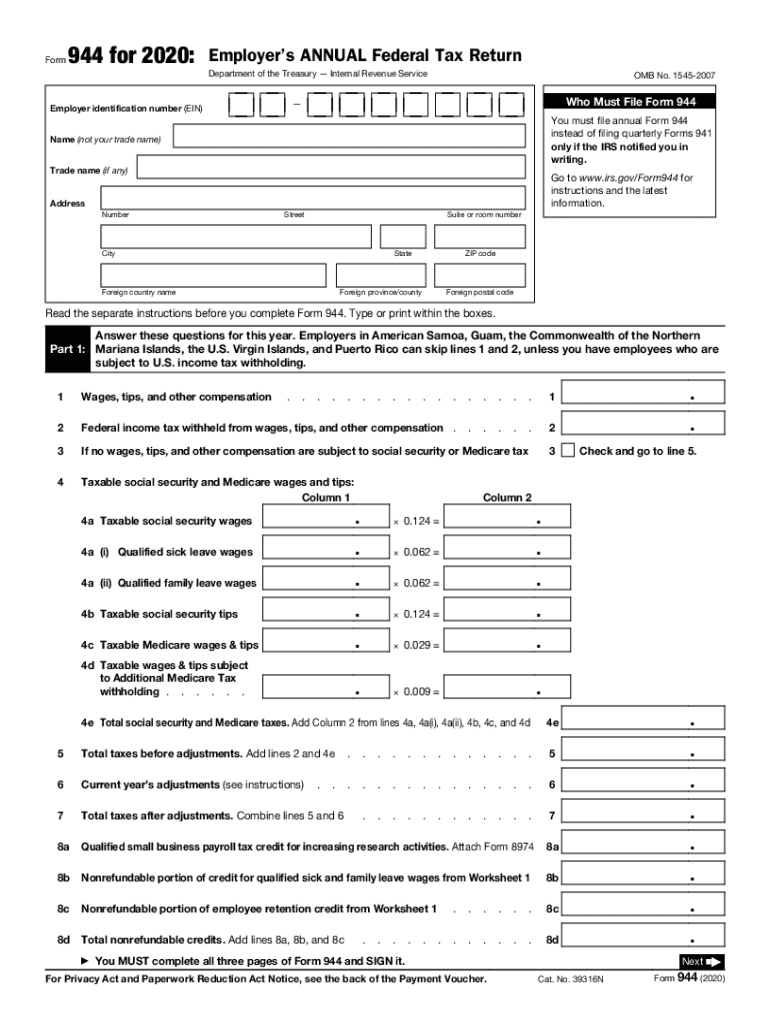
An IRS tax return is a form used by taxpayers in the United States to report income, expenses, and other pertinent tax information to the Internal Revenue Service (IRS). Its primary purpose is to calculate whether the taxpayer owes additional taxes or is eligible for a tax refund. The tax return includes various schedules and attachments that allow for the reporting of income sources such as wages, dividends, and self-employment earnings. In addition to income, taxpayers can claim deductions and credits that may lower their taxable income, such as the Earned Income Tax Credit (EITC) or the Child Tax Credit (CTC).
Common Versions of IRS Tax Returns
There are several variants of the tax return form, tailored to different taxpayer needs:
- Form 1040: The standard form used by the majority of taxpayers.
- Form 1040EZ: A simplified version for individuals with straightforward tax situations (no longer in use after 2018, replaced by Form 1040-SR for seniors).
- Form 1040NR: For non-resident aliens filing a U.S. tax return.
- Form 1040X: For taxpayers amending a previously filed return.
These forms ensure that individuals and businesses accurately report their financial activities to comply with federal tax obligations.
How to Obtain an IRS Tax Return Form
Obtaining a tax return form is a straightforward process. The IRS provides several methods to access these forms:
-
Online: The IRS website offers downloadable forms and instructions. Forms are available in PDF format, which can be filled digitally or printed for manual completion.
-
Mail: Taxpayers may request paper forms directly from the IRS, which they will receive via mail. This option is useful for those who do not have reliable internet access.
-
In-Person: Tax forms can be picked up at local IRS offices or certain public spaces like libraries or post offices.
Tax software platforms also offer tax return forms as part of their services, allowing for seamless integration into their filing process.
Steps to Complete the IRS Tax Return
Completing an IRS tax return involves several key steps that vary slightly depending on the form being used:
-
Gather Required Documents: Essential documents include W-2s for wage income, 1099 forms for other income types, receipts for deductible expenses, and documentation of any credits or deductions you plan to claim.
-
Complete Personal Information: This includes your name, address, Social Security Number, and filing status.
-
Report Income: Declare all sources of income as required by the appropriate sections of the form.
-
Claim Deductions and Credits: Enter any eligible deductions and credits that apply to reduce your overall tax liability.
-
Calculate the Tax: Determine the tax owed or refund due by following the form instructions. Use the tax tables or computation worksheet provided.
-
File the Return: Submit the completed form by the due date through electronic filing or by mailing a paper form to the IRS.
Digital platforms like DocHub enhance this process by allowing users to fill forms online, reducing the paperwork and potential for errors associated with manual entry.
Required Documents for Filing
To accurately complete your tax return, you will need several key documents:
- W-2s: Provided by employers, detailing wages and withheld taxes.
- 1099 Forms: Cover various income types like contract work, investments, or rental income.
- 1098 Forms: Show mortgage interest paid or student loan interest, which can be deductible.
Gathering these documents ensures that all income is reported and allows you to maximize potential deductions and credits.
Filing Deadlines and Important Dates
The IRS tax return typically has a filing deadline of April 15th for most individual taxpayers. However, if this date falls on a weekend or a holiday, the deadline shifts to the next business day.
- January 31: Deadline for employers to send W-2s and most 1099 Forms.
- April 15: Standard deadline for individual tax return submission.
- October 15: Extended deadline for those who filed Form 4868 for a six-month extension.
Meeting these deadlines is crucial to avoid penalties and ensure timely processing of any potential refunds.
Penalties for Non-Compliance
Failure to comply with IRS regulations and deadlines can result in penalties:
- Failure-to-File Penalty: Assessed for late tax returns, typically 5% of unpaid taxes for each month the return is late, up to 25%.
- Failure-to-Pay Penalty: Imposed for late tax payments, usually at 0.5% per month of unpaid taxes, also capping at 25%.
Both penalties can significantly increase the total tax owed, highlighting the importance of timely and accurate filing.
Digital vs. Paper Filing Options
Taxpayers have the choice between filing electronically or submitting paper forms:
-
Electronic Filing (E-Filing): Offers faster processing and instant confirmation of receipt. Tax software like TurboTax or DocHub can integrate with the IRS's electronic systems for a more seamless experience.
-
Paper Filing: Traditionally mailed directly to the IRS. This option is often favored by people uncomfortable with digital technology but involves longer processing times and greater error potential.
Each option has its advantages and your choice will depend on your comfort level with technology and potential access to tax-filing resources.
Software Compatibility and Integration
DocHub and other platforms can facilitate the tax filing process by integrating with popular tax software. This compatibility allows users to easily import financial documents, make necessary edits or annotations, and then export completed tax forms for submission.
- TurboTax and QuickBooks: Both offer features to import data directly from forms filled on DocHub, ensuring consistency and accuracy.
Integrating your tax preparation software with document management tools streamlines the workflow and reduces the likelihood of errors related to manual entry.