



01. Edit your form online
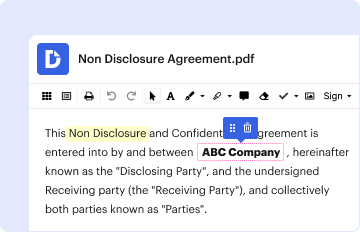
Type text, add images, blackout confidential details, add comments, highlights and more.

Type text, add images, blackout confidential details, add comments, highlights and more.
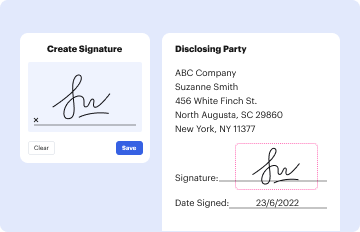
Draw your signature, type it, upload its image, or use your mobile device as a signature pad.

Send it via email, link, or fax. You can also download it, export it or print it out.
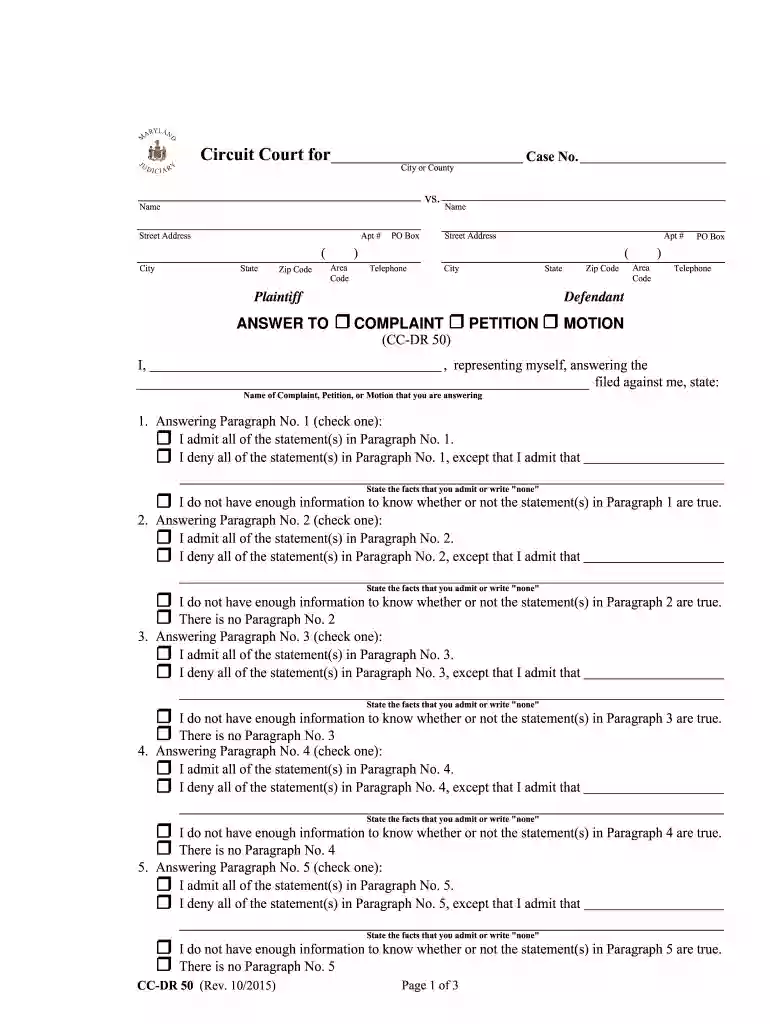
The "answer to complaint petition motion instructions for - mdcourts" is a legal form used within the Circuit Court system. It facilitates the process by which a defendant responds to a complaint, petition, or motion presented by a plaintiff. This document allows the defendant to admit, deny, or claim insufficient information regarding each allegation made in the complaint. It also provides an opportunity to present additional facts pertinent to the case and to request specific court relief.
This form is crucial for defendants to engage properly in the litigation process. Understanding its use ensures accurate and effective communication with the court.
Carefully Review the Complaint: Understand every aspect of the complaint to respond accurately.
Structured Response:
Provide Additional Facts: Offer new information that supports your defense.
Request Court Relief: Specify what actions you desire from the court, such as dismissing the case or adjusting claims.
Understanding specific legal terminology is essential when dealing with such documents.
The form is a procedural document ensuring all parties adhere to Maryland's legal standard. Its usage is strictly defined by state-specific rules that guide how both plaintiffs and defendants should conduct themselves within the court process.
Completing this form involves several steps to ensure compliance and accuracy.
Maryland's legal system offers specific guidelines governing how this form must be executed within its jurisdiction. Adhering to these ensures the defendant's response is valid and effective.
Timing in legal proceedings is critical. Missing a deadline may have significant consequences for the defendant.
To efficiently process and submit this form, several supporting documents are often necessary.
Practical examples serve to illustrate how the form functions in real-world scenarios, enhancing understanding and application.
By following these comprehensive guidelines and understanding the implications and responsibilities involved in the "answer to complaint petition motion instructions for - mdcourts," defendants are better equipped to navigate the legal system effectively.
We've got more versions of the answer to complaint petition motion instructions for - mdcourts form. Select the right answer to complaint petition motion instructions for - mdcourts version from the list and start editing it straight away!
At DocHub, your data security is our priority. We follow HIPAA, SOC2, GDPR, and other standards, so you can work on your documents with confidence.
In general, file your Answer to any motion you received in your case within 15 days, unless the court orders a different response time.
The notice shall also state that the named defendants and their unknown successors have been sued and must answer the petition on or before a time to be stated


