



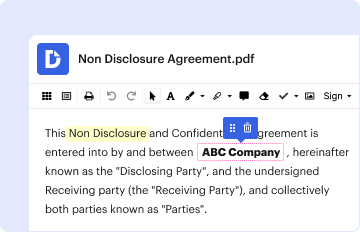
01. Edit your form 4972 online
Type text, add images, blackout confidential details, add comments, highlights and more.

Type text, add images, blackout confidential details, add comments, highlights and more.
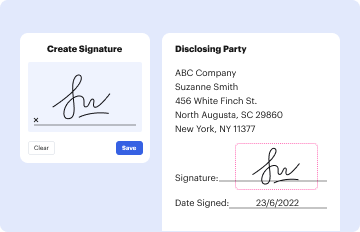
Draw your signature, type it, upload its image, or use your mobile device as a signature pad.

Send 4972 via email, link, or fax. You can also download it, export it or print it out.
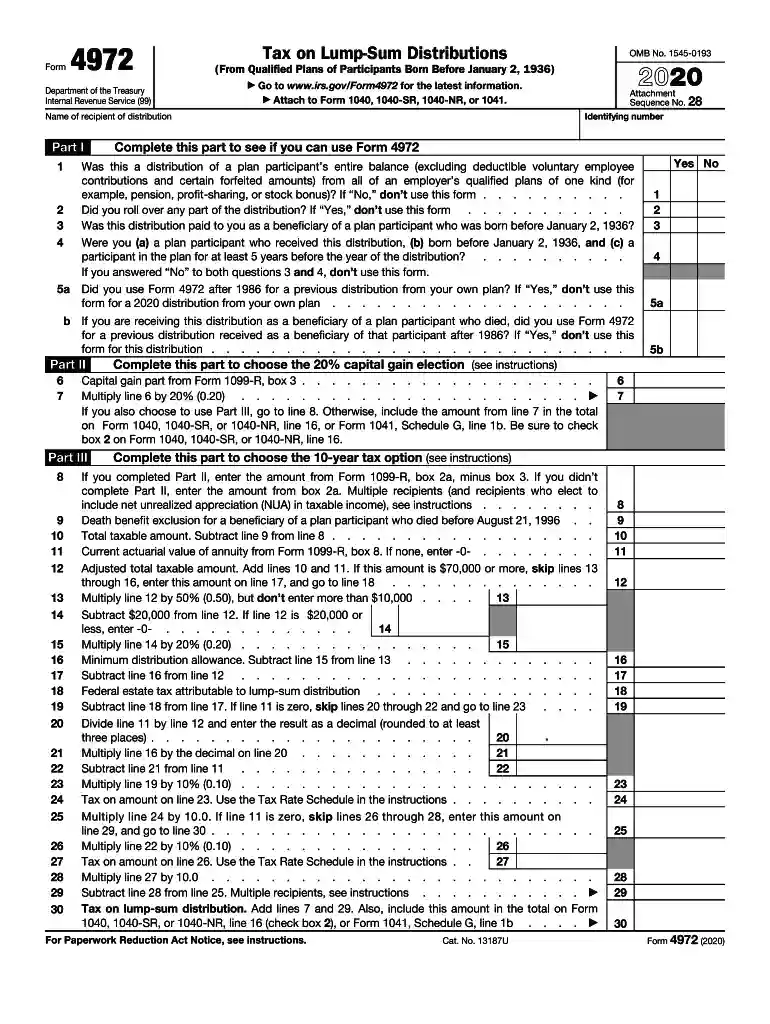
Form 4972 is specifically designed for participants born before January 2, 1936, to calculate the tax on lump-sum distributions from qualified retirement plans. This form applies special tax options, like the 20% capital gain election and the 10-year tax option, which may provide a lower tax liability compared to reporting the entire distribution as ordinary income. Its primary purpose is to offer taxpayers a clearer taxation method of lump-sum withdrawals that reflect potential capital gains and structured payouts over time.
Eligibility to use Form 4972 is contingent on specific criteria. Taxpayers must have received a lump-sum distribution from a qualified retirement plan. The participant receiving the distribution must have been born before January 2, 1936. The distribution should not be a required minimum distribution, nor should it be attributable to an after-tax contribution, such as a Roth account. Understanding these eligibility requirements is crucial for taxpayers to ensure they properly apply the available tax benefits.


Filling out Form 4972 requires attention to several details to correctly process the tax reduction options. Here’s a general step-by-step guide:
When preparing to complete Form 4972, collect the following documents to ensure accurate reporting:
The IRS provides several guidelines to facilitate the correct use of Form 4972. Taxpayers must adhere to specified calculations for both the capital gains election and the 10-year averaging. These guidelines help individuals precisely determine the taxable portion of their distribution. Official IRS instructions can offer additional clarity, detailing conditions under which certain tax options may or may not apply and elaborating on precise calculation procedures.
Imagine a retiree named John, born in 1935, who received a $100,000 lump-sum distribution from his employer's pension plan. John uses Form 4972 to apply the 20% capital gain to $30,000 of his distribution due to his participation dating before 1974, while opting for the 10-year tax averaging on the remaining $70,000. This strategic application results in significantly reduced taxes owed compared to regular ordinary income reporting.
Form 4972 is typically employed by retirees over the age of 55 who are receiving lump-sum payments from qualified retirement plans. Generally, these are individuals nearing or past retirement age, and often those who have extensive work history allowing for a background in pension plan participation. It is also utilized by beneficiaries of such retirees in cases where the distribution occurs as part of a death benefit.
There are significant penalties for failing to properly file Form 4972, or for inaccurately reporting the lump-sum distribution. Taxpayers might face an audit from the IRS, leading to back taxes, fines, and additional penalties based on the discrepancy between owed taxes and reported amounts. It is crucial to maintain accurate and comprehensive records to substantiate claims made on Form 4972 and prevent any potential legal or financial consequences.
We've got more versions of the form 4972 form. Select the right form 4972 version from the list and start editing it straight away!
| Versions | Form popularity | Fillable & printable |
|---|---|---|
| 2025 | 4.7 Satisfied (40 Votes) | |
| 2024 | 4.5 Satisfied (30 Votes) | |
| 2023 | 4 Satisfied (50 Votes) | |
| 2022 | 4.5 Satisfied (53 Votes) | |
| 2021 | 4.9 Satisfied (37 Votes) | |
| 2020 | 4.3 Satisfied (193 Votes) | |
| 2019 | 4.2 Satisfied (36 Votes) | |
| 2018 | 4.3 Satisfied (60 Votes) | |
| 2017 | 4.4 Satisfied (242 Votes) | |
| 2016 | 4.4 Satisfied (677 Votes) | |
| 2015 | 4 Satisfied (30 Votes) | |
| 2014 | 4.2 Satisfied (25 Votes) | |
| 2011 | 4.3 Satisfied (66 Votes) |
At DocHub, your data security is our priority. We follow HIPAA, SOC2, GDPR, and other standards, so you can work on your documents with confidence.
Form 4972, tax on lump-sum distributions from qualified retirement plans. ; United States. Internal Revenue Service.Read more
Apr 14, 2025 Use Form 4972 to figure the tax on a qualified lump-sum distribution (defined below) you received in 2025 using the 20% capital gain election,Read more
Dec 17, 2020 FORM 10-K. The annual report on Form 10-K filed with the. Securities and Exchange Commission is available online or upon written request toRead more


