




Here's how it works

01. Edit your bill of lading form online
Type text, add images, blackout confidential details, add comments, highlights and more.

02. Sign it in a few clicks
Draw your signature, type it, upload its image, or use your mobile device as a signature pad.

03. Share your form with others
Send saia lading form via email, link, or fax. You can also download it, export it or print it out.
How to use or fill out bill of lading form with our platform

- Click ‘Get Form’ to open the bill of lading form in the editor.
- Begin by filling out the 'SHIP FROM' section. Enter the name, address, city/state/zip, and SID# of the sender.
- In the 'SHIP TO' section, provide the carrier's name and complete their address details along with CID#.
- Fill in the 'BILL OF LADING NUMBER' and any relevant barcode information. Specify trailer number and seal numbers if applicable.
- Complete the 'THIRD PARTY FREIGHT CHARGES BILL TO' section with necessary details for billing.
- Indicate freight charge terms by checking either 'Prepaid' or 'Collect'.
- In the 'CUSTOMER ORDER INFORMATION', enter customer order number, package count, weight, and any special instructions.
- Ensure all required signatures are provided at the bottom of the form before finalizing.
Start using our platform today to easily fill out your bill of lading form for free!
Fill out bill of lading form online
It's free
It's free
Got questions?
We have answers to the most popular questions from our customers. If you can't find an answer to your question, please contact us.
Contact us
Can I create my own bill of lading?
Yes, you can absolutely make your own bill of lading (BOL) by downloading blank templates from carriers like FedEx or using online form fillers, or by purchasing pre-printed forms, ensuring you include crucial details like shipper/consignee info, goods description (weight, quantity, NMFC code), origin/destination, and payment terms. You can fill them out by hand, online, or through trucking software for easy generation and management. Methods to Create Your Own BOL Download Print: Get blank PDF forms from carrier websites (FedEx, XPO) or general template sites and fill them in. Online Form Fillers: Use websites like Billoflading.org or DocHub to enter details and print or save the document. Trucking Software: Programs like TruckingOffice PRO allow you to generate BOLs directly within the application. Purchase Forms: Buy custom or standard BOL books from office supply stores or online vendors. Key Information to Include Parties: Shipper name/address, Consignee name/address. Shipment Details: Date, number of units, packaging type, description of goods, weight, NMFC code (if applicable). Logistics: Origin and destination addresses, special handling instructions, payment terms (e.g., COD, freight terms). Carrier Info: Carrier name, trailer number. Signatures: Space for shipper and carrier/consignee signatures. Tips for Success Be Specific: Clearly describe items, including any hazardous material indicators. Use Templates: Standardized forms (like VICS) are widely accepted, especially in retail. Save Copies: Keep digital and/or printed copies for your records. AI can make mistakes, so double-check responsesBill of Lading Form | Printable TemplateAbout Help Upgrade Log In. Billoflading.org is the easiest way to quickly complete a bill of lading form and print it directly froBill of Lading FormShop Custom Bill of Lading Forms - PrintIt4LessThe options may be chosen on the product page. Bill of Lading Short Form. Size: 8.5 x 8.5Min Qty: 250. From: $68.00. Select optionPrintIt4Less
What is the bill of lading form?
A bill of lading is a legal document that is issued by a carrier to the shipper. It contains details about which goods are being shipped, where the shipment is coming from and going to, as well as details of the shipper, carrier, and consignee.Oct 2, 2023
What is legally required on a BOL?
Legally, a Bill of Lading (BOL) must include shipper/consignee details, origin/destination, cargo description (type, quantity, weight, packaging), pickup/delivery dates, carrier info, payment terms, and handling instructions, especially for hazardous materials, serving as a contract and receipt for interstate freight. Key requirements focus on clarity for the FMCSA for compliance, with specific rules for household goods shipments and hazardous materials adding more detail. Essential Legal Requirements (Federal/FMCSA) Parties: Full names, addresses, and phone numbers for shipper, consignee, and notify party. Origin Destination: Origin and destination names and addresses. Cargo Details: Complete description, quantity (pieces/units), weight/volume, and packaging type (e.g., carton, skid). Freight Class: National Motor Freight Classification (NMFC) item/class. Dates: Pickup and delivery dates. Carrier Info: Legal or trade name, address, phone, and U.S. DOT number. Specific Handling Payment Terms Special Services: Details for liftgates, call-before-delivery, etc. Payment Terms: Prepaid or collect, with COD payment info if applicable. Liability/Insurance: Details on liability, often Full Value Protection or released rates for household goods. Hazardous Materials (HM) Requirements More stringent rules apply, requiring proper shipping name, hazard class, UN/NA identification number, and specific markings/labels as per DOT regulations. Household Goods (HHG) Specifics Carriers must issue a BOL with 17 specific items (e.g., company ID number, terms for payment, liability choices). A BOL functions as a contract, receipt, and title document, requiring signatures from both shipper and carrier to be legally binding. AI can make mistakes, so double-check responsesBill of Lading Legal Requirements: A Complete Guide - VectorFederally Required Information (FMCSA Guidelines) Federal law mandates that a bill of lading include specific key details for compVector10.14 Bill of Lading Requirements - CSABefore receiving a shipment of household goods from a shipper, the household goods motor carrier must prepare and issue a bill of Department of Transportation (.gov)
How can I get a bill of lading?
If your Bill of Lading has been published by the agency, you can view and download it directly from the Document Dashboard. For more information on how to consult your Bill of Lading online, refer to the article: How to consult my Bill of Lading (OBL, Waybill, Copy) online?.
What are common BOL mistakes?
Common Bill of Lading (BOL) mistakes involve inaccurate shipment details like weight, dimensions, commodity description, or freight class, leading to costly reweighs or reclassifications, and missing critical information such as shipper/consignee info, signatures, payment terms, or special instructions (like hazardous materials), causing payment delays, rejections, or fines. Other errors include incorrect addresses, improper packaging, and failing to note accessorial services (liftgate, etc.), resulting in extra charges and shipment holdups. Key BOL Mistakes to Avoid: This video explains the most common mistakes bowlers make: 58sKR StrikeforceYouTube Jan 4, 2024Incorrect Details: Weight Dimensions: Discrepancies lead to reweigh/re-measure fees, especially in LTL. Freight Class: Wrong classification can mean overpaying or incurring carrier penalties. Commodity Description: Vague or wrong descriptions cause customs issues or rejections. Missing Information: Shipper/Consignee: Incomplete or wrong names/addresses delay payments and deliveries. Hazmat: Failing to declare hazardous materials results in fines and safety risks. Accessorials: Forgetting requested services (liftgate, appointment) adds unexpected costs later. Signatures: Missing signatures or dates invalidate the document. Payment/Billing Errors: Payment Terms: Assuming Prepaid when its Collect (or vice versa) causes billing issues. Bank Instructions: Not following bank rules on ocean BOLs. Compliance Issues: Regulatory Non-Compliance: Errors in documentation can lead to customs delays or rejections. Carrier Requirements: Not meeting specific carrier documentation standards. How to Prevent Them: Double-check everything: Verify weights, counts, and addresses. Be specific: Use clear commodity descriptions and codes (like NMFC). Include everything: List all accessorials and special needs upfront. Know the rules: Understand hazmat regulations and bank requirements. Get it signed: Ensure all parties sign the BOL. AI can make mistakes, so double-check responses10 Pointers to Avoid Most Common Bill of Lading Errors - NMFTAJan 25, 2023 Be sure that the correct NMFC item number is provided and used to classify each commodity in the shipment. The item nuNational Motor Freight Traffic Association, Inc.Top 7 Most Common Freight Shipping Mistakes You Should AvoidBrimich Logistics
Security and compliance
At DocHub, your data security is our priority. We follow HIPAA, SOC2, GDPR, and other standards, so you can work on your documents with confidence.
Learn more


Related forms
C58c
The document outlines the process for submitting a compromise application to the Minnesota Revenue Department for settli ...
Child and Dependent Care CreditMinnesota Department of Revenue
The document outlines the 2020 Schedule M1CD for claiming the Child and Dependent Care Credit in Minnesota. It provides ...
Ok 512
The document is the Oklahoma Income Tax Declaration for Electronic Filing, specifically for various tax forms (512, 512- ...
Form 4136
The document is Form 4136 from the Department of the Treasury, Internal Revenue Service, which outlines the process for ...
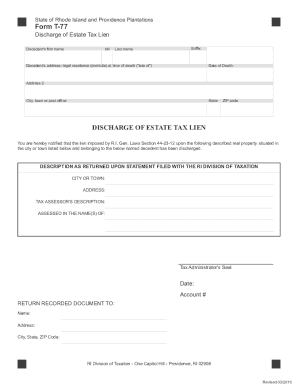
Ri estate tax lien
The document is Form T-77 from the State of Rhode Island and Providence Plantations, which serves as a Discharge of Esta ...

Defined in the Idaho Real Estate Brokerage Representation Act
The document is an Agency Disclosure Brochure published by the Idaho Real Estate Commission, effective July 1, 2020. It ...
Nj non motor
The document provides a comprehensive guide for individuals seeking to file a small claims lawsuit in New Jersey for non ...
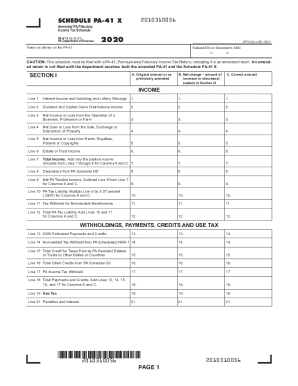
The amended pa
The document is the Schedule PA-41 X, an Amended Pennsylvania Fiduciary Income Tax Schedule for the year 2020. It is use ...
People also ask
Is a BOL legally required?
Before receiving a shipment of household goods from a shipper, the household goods motor carrier must prepare and issue a bill of lading that contains the terms and conditions of the contract. The bill of lading must also include the 17 items found in 49 CFR 375.505(b).
What are the three types of BL?
What Is a Bill of Lading? A bill of lading must accompany shipped goods and be signed by an authorized representative from the carrier, shipper, and receiver. Three types of bills of lading include straight bill of lading, order bill of lading, and bearer bill of lading.


