





Definition and Meaning of the Horse Transfer of Ownership Submission Form
The "Horse Transfer of Ownership Submission Form" is a legal document used to officially record the change of ownership for a horse. It is an important document in the equine industry, ensuring that all relevant parties recognize and acknowledge the new owner of the horse. This form is crucial when buying or selling a horse, as it ensures that the transaction complies with legal requirements and accurately reflects the transfer of rights and responsibilities.
Purpose and Importance
The primary purpose of the form is to ensure transparency and legal compliance in the ownership of horses. It serves as a record of the transaction and protects both buyers and sellers by documenting the change. Without this form, disputes over ownership or obligations can arise, making it an essential tool for anyone involved in the trade or transfer of horses.
Obtaining the Horse Transfer of Ownership Submission Form
To obtain the Horse Transfer of Ownership Submission Form, you typically need to access it through relevant equine industry governing bodies or registries. These organizations often provide downloadable versions of the form through their official websites. Alternatively, you may request a paper version from the local offices of these organizations.
Sources for the Form
- Equine Registries: Many horse registries offer the form as part of their ownership transfer services.
- Veterinary Offices: Some veterinarians who specialize in equine care may provide forms or guidance on where to find them.
- Online Platforms: Websites dedicated to equine services often have links or resources for downloading the form.
Steps to Complete the Horse Transfer of Ownership Submission Form
Completing the Horse Transfer of Ownership Submission Form requires attention to detail to ensure all information is accurate and complete. Here’s a step-by-step guide:
- Gather Necessary Information: Collect details about the horse, including its name, registration number, and breed.
- Fill Out Seller’s Information: Include the seller's name, contact information, and any relevant identification numbers.
- Fill Out Buyer’s Information: Enter the buyer's details, mirroring the information required for the seller.
- Detail the Transaction: Specify the date of transfer, purchase price (if applicable), and any conditions of sale.
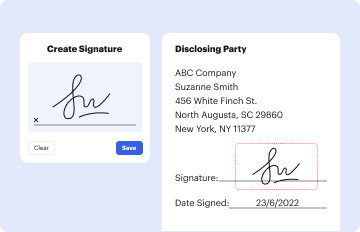
- Signatures: Ensure that both parties sign the form where indicated. Signatures might need witnessing or notarization.
- Submit the Form: Follow the guidelines for submission, which may include mailing to a specific address or submitting online.
Key Elements of the Horse Transfer of Ownership Submission Form
The Horse Transfer of Ownership Submission Form includes several key elements that must be addressed to ensure its validity and completeness:
- Horse Identification Details: Ensure all unique identifiers like microchip numbers or registration numbers are included.
- Transfer Dates: Clearly state the date of the transaction and transfer of ownership to avoid any legal ambiguities.
- Signatory Requirements: List any requirements for witnesses or additional signatures which might be needed by certain states or legal bodies.
- Disclosure of Liens or Debts: If applicable, note any existing financial claims or encumbrances on the horse.
Legal Use of the Horse Transfer of Ownership Submission Form
Understanding the legal implications of the Horse Transfer of Ownership Submission Form is crucial for both parties involved in the transaction. The form is a legally recognized document that formalizes the transfer, ensuring the new owner is legally acknowledged.
Ensuring Compliance
- Adhere to State Laws: Regulations can vary by state, so ensure compliance with local laws regarding equine ownership transfer.
- Accuracy of Information: Incorrect or incomplete forms may lead to disputes or legal challenges. It's essential to double-check all entries.
- Retention of Records: Both buyers and sellers should retain copies of the completed form for their records as proof of the transaction.
State-Specific Rules for the Horse Transfer of Ownership Submission Form
State-specific rules can affect how the Horse Transfer of Ownership Submission Form is completed and submitted. Each state might have unique requirements regarding the form's content or submission process.
Examples of State Variations
- Submission Deadlines: Some states require the form to be submitted within a specific timeframe post-transaction.
- Additional Documentation: Certain states might need additional documents such as veterinary examinations.
- Role of Notaries or Witnesses: State laws may dictate whether the form needs to be notarized or witnessed.
Penalties for Non-Compliance
Failing to comply with the requirements for submitting the Horse Transfer of Ownership Submission Form can lead to various penalties. These could range from fines to legal disputes over rightful ownership.
Potential Consequences
- Financial Penalties: States might impose fines for late submissions or improperly filled forms.
- Legal Disputes: Inaccurate or missing documentation can result in ownership conflicts that may need legal intervention to resolve.
- Registration Issues: Delays or non-compliance can prevent the horse from being registered under the new owner’s name, affecting future sales or breeding records.
Form Submission Methods
The form’s submission process typically offers multiple channels to accommodate different preferences and capabilities.
Available Methods
- Online Submission: Many governing bodies allow for digital submissions via their websites, taking advantage of platforms like DocHub for secure, streamlined processing.
- Mail Submission: Traditional mailing remains an option, requiring the physical form to be sent to the appropriate office.
- In-Person Submission: For those who prefer direct interaction, submitting the form in person at an official registry or governing office is a possibility.
Who Typically Uses the Horse Transfer of Ownership Submission Form
The primary users of the Horse Transfer of Ownership Submission Form are individuals and entities involved in equine transactions. This includes:
- Private Buyers and Sellers: Individuals engaging in the sale or purchase of horses typically use this form to ensure all transactions are legal and recorded.
- Equestrian Businesses: Businesses involved in breeding, trading, or leasing horses use the form for legal compliance.
- Equine Associations: Organizations managing horse registration and tracking may require the form to update ownership records.
These sections provide a comprehensive understanding of the Horse Transfer of Ownership Submission Form, offering insights into its importance, legal standing, and practical usage in the equine industry.