




01. Edit your special education quality assurance online
Type text, add images, blackout confidential details, add comments, highlights and more.

Type text, add images, blackout confidential details, add comments, highlights and more.

Draw your signature, type it, upload its image, or use your mobile device as a signature pad.

Send it via email, link, or fax. You can also download it, export it or print it out.
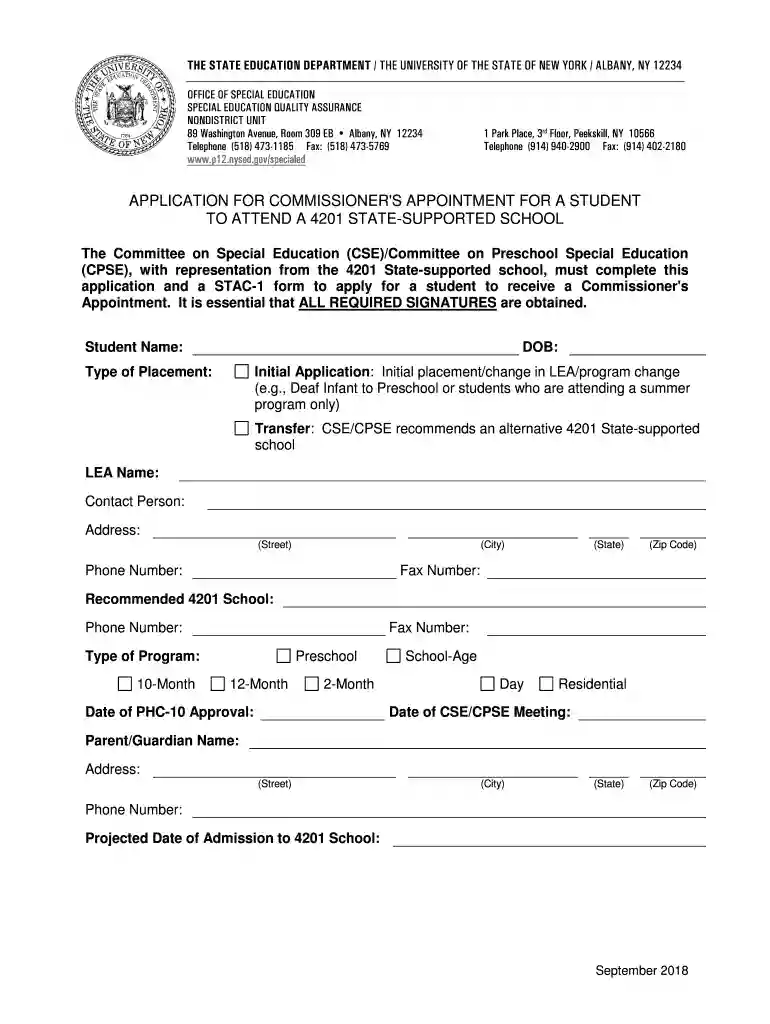
The "Quality Assurance - p-12 - New York State Education Department" document is a formal application required by the New York State Education Department. It serves as a critical compliance tool for ensuring that educational standards and policies are consistently met within state-supported schools, particularly those involving special education services. This application assists the Committee on Special Education (CSE) and the Committee on Preschool Special Education (CPSE) in documenting and verifying that the necessary procedures and standards are adhered to in maintaining quality education for students in need of special services.
The Quality Assurance document is utilized primarily by educational professionals involved in special education. It outlines the required steps and necessary documentation to ensure compliance with state and federal regulations concerning special education. Here's how it can be effectively used:
To acquire the "Quality Assurance - p-12 - New York State Education Department" document, one can typically:
Filling out the document requires careful attention to detail and adherence to specific processes:
The primary users of this document include:
Certain critical components must be included in the Quality Assurance document:
Using this document legally involves ensuring that all sections comply with applicable state laws and federal regulations surrounding special education. Key legal considerations include:
Real-world application of this form includes:
We've got more versions of the special education quality assurance form. Select the right special education quality assurance version from the list and start editing it straight away!
At DocHub, your data security is our priority. We follow HIPAA, SOC2, GDPR, and other standards, so you can work on your documents with confidence.
Provide general information regarding services for students with disabilities to parents, school district personnel, private providers, and other stakeholders.Read more
(2) Controlled substances dispensed through outpatient department pharmacy to patients or employees of the institutional dispenser shall be dispensed onlyRead more


