







Understanding Trust and Estate Forms in Connecticut
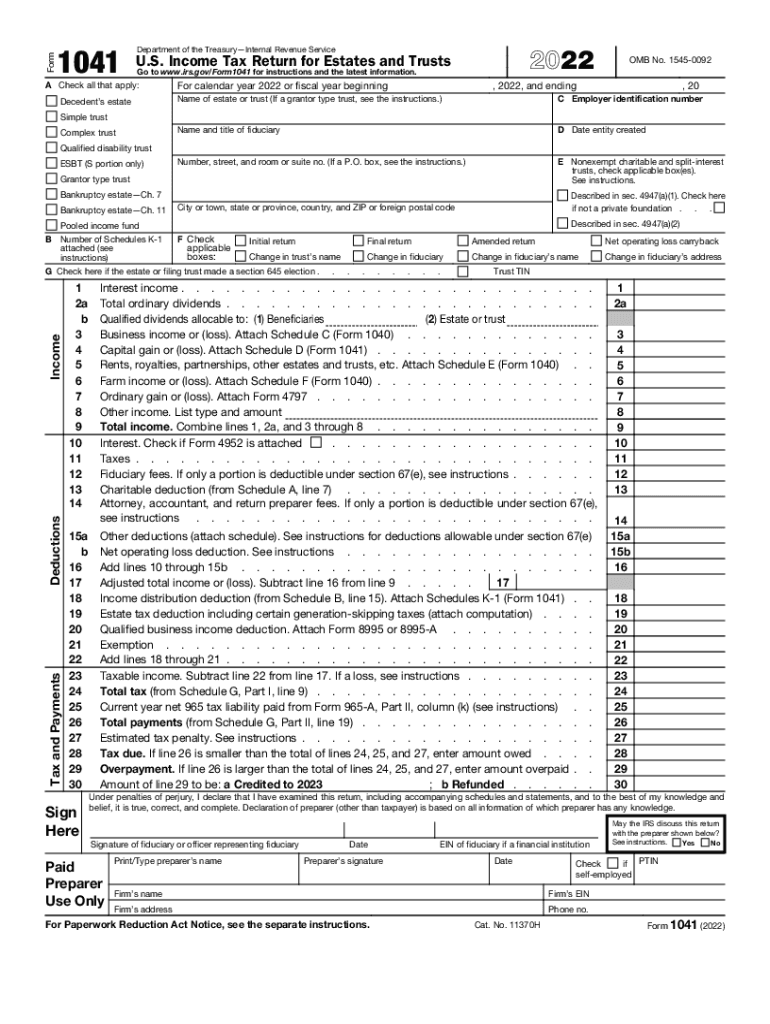
Trust and estate forms, specifically "portal.ct.govDRSDRS-FormsTrust and Estate forms - ct," are essential legal documents used in Connecticut for the purpose of addressing tax-related requirements associated with trusts and estates. These forms help in reporting income, deductions, gains, and losses to the Internal Revenue Service (IRS). They also serve other essential functions like identifying the estate or trust and detailing the relevant financial transactions.
Key Components of Trust and Estate Forms
These forms are comprehensive and include various sections to cover all necessary aspects:
- Identification Section: Captures information about the estate or trust, such as name, address, and federal identification number.
- Income Reporting: Details all income sources, including dividends, interest, and any other non-taxable or taxable income.
- Deductions and Losses: Outlines deductible expenses, including administrative expenses, charitable contributions, and any relevant losses.
- Tax Calculation: Provides a section for calculating the total tax liability after accounting for all income and deductions.
How to Use Connecticut's Trust and Estate Forms
Using the "portal.ct.govDRSDRS-FormsTrust and Estate forms - ct" involves several steps to ensure accurate completion and compliance with state and federal regulations.
- Collect Required Information: Gather all financial documents related to the estate or trust, such as income statements, expense receipts, and prior tax returns.
- Complete All Sections: Fill out the identification, income reporting, deductions, and tax calculation sections carefully.
- Review Instructions: Follow detailed instructions provided with the form to ensure each section is completed correctly.
Key Steps to Completing the Form
- Verify All Information: Double-check all filled data for accuracy.
- Consult Professional Help: Seek advice from tax professionals if there are any complexities.
- Sign and Date the Form: Ensure all authorized individuals sign the form before submission.
How to Obtain Connecticut's Trust and Estate Forms
Accessing "portal.ct.govDRSDRS-FormsTrust and Estate forms - ct" is straightforward through the Connecticut Department of Revenue Services website.
Steps to Access the Form
- Visit Official Website: Navigate to the Connecticut Department of Revenue Services' official site.
- Search for Forms Section: Locate the tax forms and instructions area to find the specific trust and estate forms needed.
- Download or Request a Paper Form: Opt to download a digital copy or fill out a form request to receive it by mail.
Legal Framework Surrounding Trust and Estate Forms
In the United States, particularly in Connecticut, trust and estate forms are governed by both state and federal laws to ensure proper reporting and payment of taxes.
Legal Considerations
- Compliance Requirements: Estates and trusts must comply with IRS regulations and state-specific guidelines.
- Penalties for Non-Compliance: Failing to file or inaccurately reporting information can result in penalties and interest on the amount owed.
Who Typically Uses Connecticut's Trust and Estate Forms
These forms are primarily used by executors of estates, trustees, and legal representatives acting on behalf of the deceased or trust entities.
Potential Users
- Estate Executors: Individuals entrusted with managing the estate of a deceased person.
- Trustees: Responsible for managing trust assets according to the stipulated trust agreement.
- Tax Attorneys: Professionals who assist in preparing these documents to ensure compliance.
State-Specific Rules for Trust and Estate Forms in Connecticut
Connecticut’s trust and estate forms have specific instructions and requirements that must be adhered to, separate from federal guidelines.
Connecticut Guidelines
- Unique Reporting Requirements: Certain deductions may differ under state law, requiring attention to state-specific instructions.
- State Tax Obligations: The forms may involve reporting particulars that are unique to Connecticut’s tax system.
Important Dates for Filing Connecticut's Trust and Estate Forms
Filing deadlines are critical to ensure compliance and avoid penalties.
Filing Timeline
- Annual Filing Deadline: Typically aligns with tax deadlines, often falling on April 15.
- Extension Dates: Extensions may be possible, but must be filed by the original deadline to avoid immediate penalties.
IRS Guidelines for Trust and Estate Forms
Federal IRS regulations also play a vital role in providing overarching guidelines applicable to all states, including Connecticut.
Federal Compliance
- IRS Instructions: Provide detailed steps to ensure proper filing and reporting.
- Federal Deductions and Credits: These must be accurately reported under IRS guidelines, separate from state-specific mandates.
By following these structured insights and guidelines, individuals and entities can effectively manage the completion and submission of Connecticut's trust and estate forms, ensuring compliance with both state and federal tax laws.


