




01. Edit your 2018 us return online
Type text, add images, blackout confidential details, add comments, highlights and more.

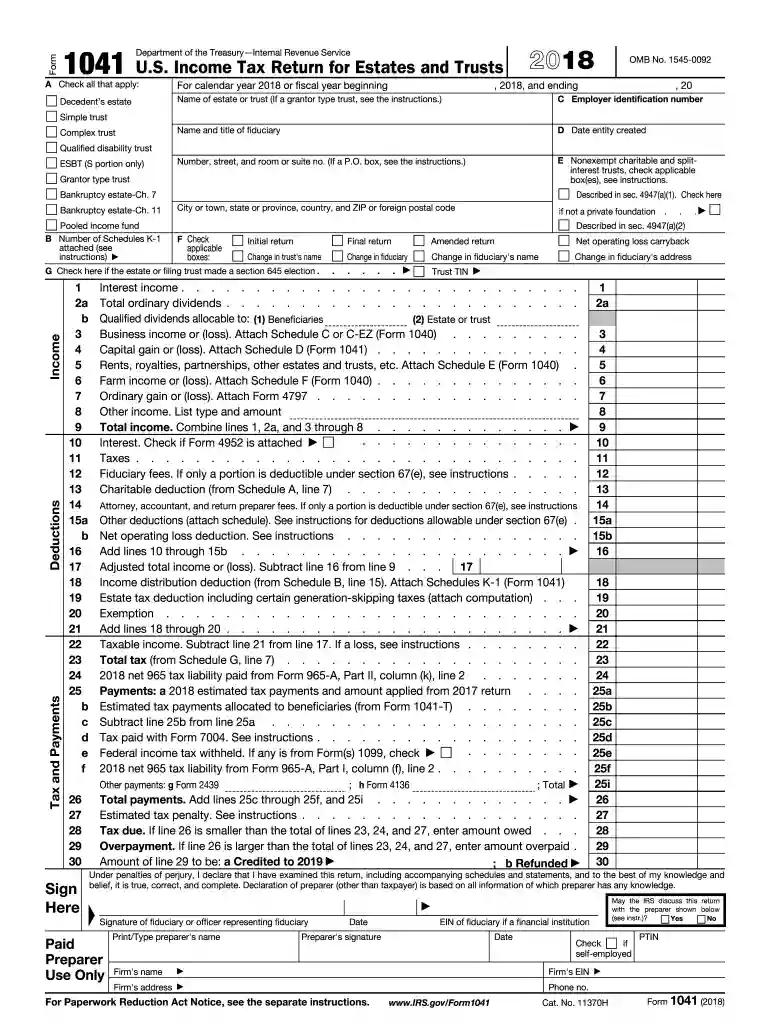
Type text, add images, blackout confidential details, add comments, highlights and more.

Draw your signature, type it, upload its image, or use your mobile device as a signature pad.

Send 2018 form 1041 via email, link, or fax. You can also download it, export it or print it out.
Form 1041, officially known as the U.S. Income Tax Return for Estates and Trusts, is a document used by fiduciaries, such as executors of estates and trustees of trusts, to report income, deductions, gains, losses, and tax liabilities. This form helps in identifying the financial activities of estates and trusts, ensuring that the income generated is appropriately taxed. Understanding the relevance of Form 1041 is crucial for those responsible for managing estates and trusts within the U.S. tax framework. Its key purpose is to ensure that any income distributed to beneficiaries, or retained within the estate or trust, conforms with federal tax obligations.
When using Form 1041, fiduciaries must provide detailed information about the taxable events occurring within an estate or trust. The form requires that income streams, such as rental income, dividends, and capital gains, are reported accurately. A clear understanding of the associated deductions and credits is necessary to calculate the taxable income correctly. Using real-life scenarios, such as a trust receiving rental income from property, helps to contextualize how such income is declared. By following the specific instructions for each section, fiduciaries can ensure compliance and avoid potential errors in reporting.
Filing Form 1041 involves understanding the detailed step-by-step process that ensures all sections are completed thoroughly and accurately.
Form 1041 is filed by fiduciaries responsible for managing the financial affairs of estates and trusts. This includes executors appointed through wills and administrators of living trusts. Situations that necessitate filing the form include when an estate or trust generates a minimum income threshold established by the IRS. For example, if a trust has received more than $600 in annual income, a Form 1041 must be filed. By recognizing these scenarios, fiduciaries can ensure they are fulfilling their legal obligations.
Understanding the vocabulary associated with Form 1041 is vital for accurately completing the form and maintaining compliance with tax regulations.
The IRS provides comprehensive guidelines for completing Form 1041, elucidating each section and its requirements. These guidelines emphasize the importance of accurately reporting income and deductions, ensuring fiduciaries meet their tax responsibilities. By staying informed about IRS updates, fiduciaries can avoid penalties and ensure their filings are accurate.
Form 1041 is typically due on April 15th if operating on a calendar year. If the fiduciary operates on a fiscal year, the deadline extends to three months and 15 days post fiscal year-end. Late filing may incur penalties, so it is crucial to adhere to these deadlines strictly. As deadlines may adjust based on IRS announcements, fiduciaries must remain vigilant.
Fiduciaries must gather various documents before filing Form 1041, such as:
Having all essential documents on hand ensures the accurate and efficient completion of the form.
Form 1041 can be submitted through several methods:
Fiduciaries should choose the method best suited to their needs and ensure it complies with IRS submission policies.
We've got more versions of the 2018 us return form. Select the right 2018 us return version from the list and start editing it straight away!
| Versions | Form popularity | Fillable & printable |
|---|---|---|
| 2025 | 4.4 Satisfied (30 Votes) | |
| 2024 | 4.5 Satisfied (37 Votes) | |
| 2023 | 4.7 Satisfied (20 Votes) | |
| 2022 | 4.6 Satisfied (50 Votes) | |
| 2021 | 4.9 Satisfied (46 Votes) | |
| 2020 | 4.2 Satisfied (46 Votes) | |
| 2019 | 4.4 Satisfied (92 Votes) | |
| 2018 | 4.2 Satisfied (95 Votes) | |
| 2017 | 4.4 Satisfied (262 Votes) | |
| 2016 | 4.3 Satisfied (72 Votes) | |
| 2015 | 4.3 Satisfied (57 Votes) | |
| 2014 | 4 Satisfied (38 Votes) | |
| 2013 | 4.2 Satisfied (73 Votes) | |
| 2012 | 4 Satisfied (33 Votes) | |
| 2011 | 4.3 Satisfied (71 Votes) |
At DocHub, your data security is our priority. We follow HIPAA, SOC2, GDPR, and other standards, so you can work on your documents with confidence.

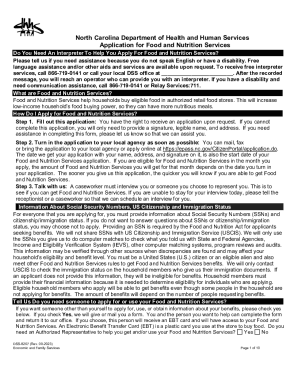


The fiduciary of a domestic decedents estate, trust, or bankruptcy estate files Form 1041 to report: The income, deductions, gains, losses, etc.Read more
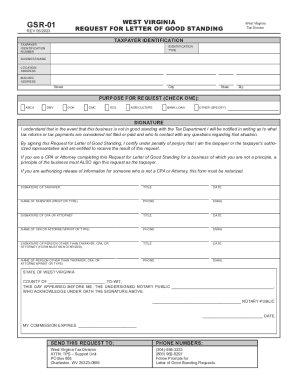
Total net gain from Schedule D (Form 1041), line 17, column (a). If a loss, enter -0-. 15. Capital gains for the tax year allocated to corpus and paid orRead more
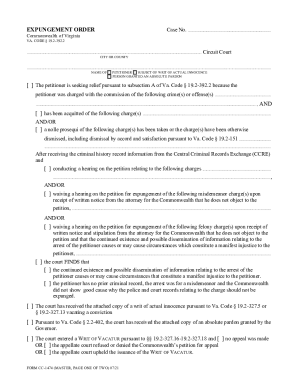
3. Carryforward of credits for qualified tax credit bonds and build America bonds to 2017 (see instructions) .Read more


