




01. Edit your the document you are trying to load requires adobe reader 8 or higher online
Type text, add images, blackout confidential details, add comments, highlights and more.

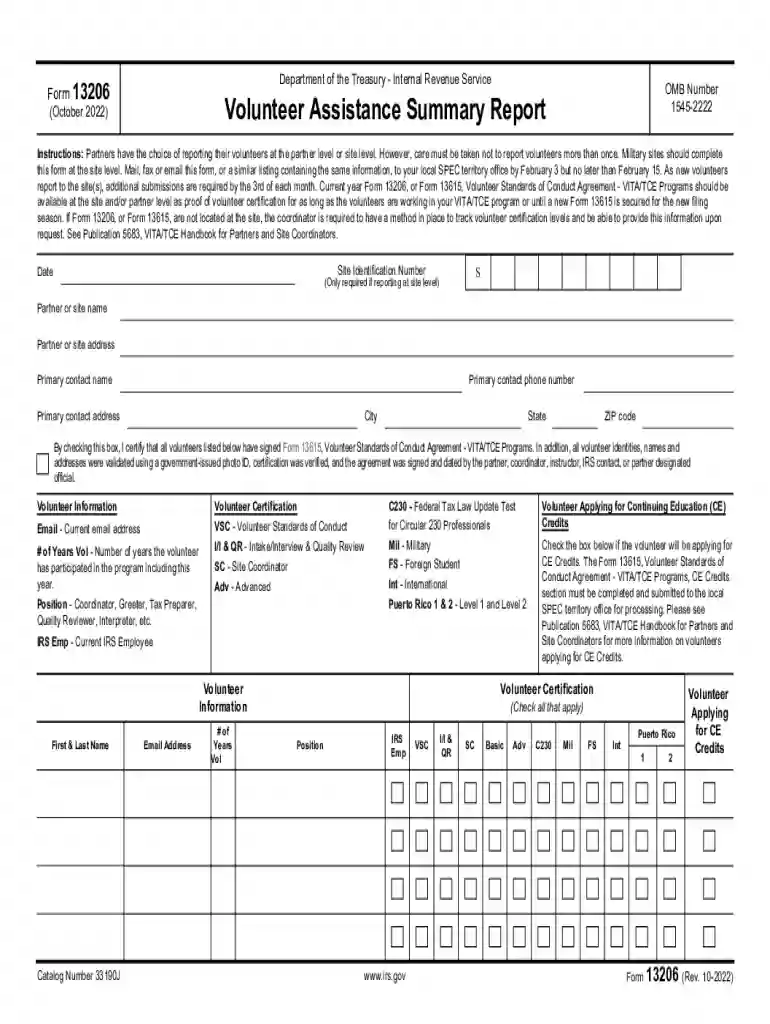
Type text, add images, blackout confidential details, add comments, highlights and more.

Draw your signature, type it, upload its image, or use your mobile device as a signature pad.

Send the document you are trying to load requires adobe via email, link, or fax. You can also download it, export it or print it out.
The phrase "The document you are trying to load requires Adobe Reader 8 or higher" indicates a compatibility issue with a PDF document. This requirement stems from the document's usage of features and functionalities exclusive to Adobe Reader 8 and newer versions. As PDF files become more sophisticated, they often integrate advanced scripting, security, and multimedia elements that older versions of Adobe Reader cannot support.
Incompatibility issues arise when attempting to open a PDF with older, unsupported versions of PDF viewers. Adobe Reader 8 or higher is recommended to ensure full functionality, as older versions may have limited support for newer elements such as JavaScript interactions, digital signatures, and enhanced encryption methods. Users attempting to open such documents with outdated software might encounter errors, missing information, or incomplete rendering of the document content.
Upgrading to Adobe Reader 8 or higher ensures optimal viewing experience and security compliance. With each new version, Adobe adds enhancements that address security vulnerabilities and provide better document manipulation capabilities.
While the need for an updated Adobe Reader is primarily technical, certain state and institutional regulations might specify the use of official or designated PDF readers for compliance reasons. Organizations in regulated sectors often embed conditional access features that leverage functionalities unique to Adobe's ecosystem.
Consider a corporation distributing an annual financial report that includes interactive graphs and confidential annotations; opening this document without Adobe Reader 8 or higher could result in missing critical interactive details or compromising the security of sensitive information.
For environments transitioning from paper-based to digital document workflows, ensuring that recipients can access the necessary software without hindrance is essential. Promoting the installation and usage of compatible Adobe Reader versions among users bolsters efficiency and document integrity, minimizing the risk of misinformation or data loss during the conversion process.
Adopting this digital-first approach negates many of the logistical challenges associated with traditional document handling, reducing barriers to knowledge sharing and collaboration in a fast-paced digital world.
We've got more versions of the the document you are trying to load requires adobe reader 8 or higher form. Select the right the document you are trying to load requires adobe reader 8 or higher version from the list and start editing it straight away!
At DocHub, your data security is our priority. We follow HIPAA, SOC2, GDPR, and other standards, so you can work on your documents with confidence.
User receives the following error when attempting to open a PDF from the internet: The document you are trying to load requires DocHub Reader 8 or higher.Read more
This occurs when you get the following error when trying to open a document: Graphical user interface, text Description automatically generated.


