



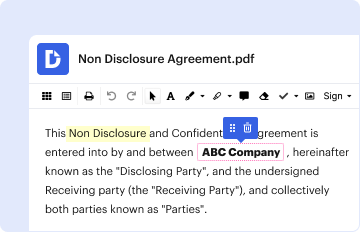
01. Edit your myguamtax online
Type text, add images, blackout confidential details, add comments, highlights and more.

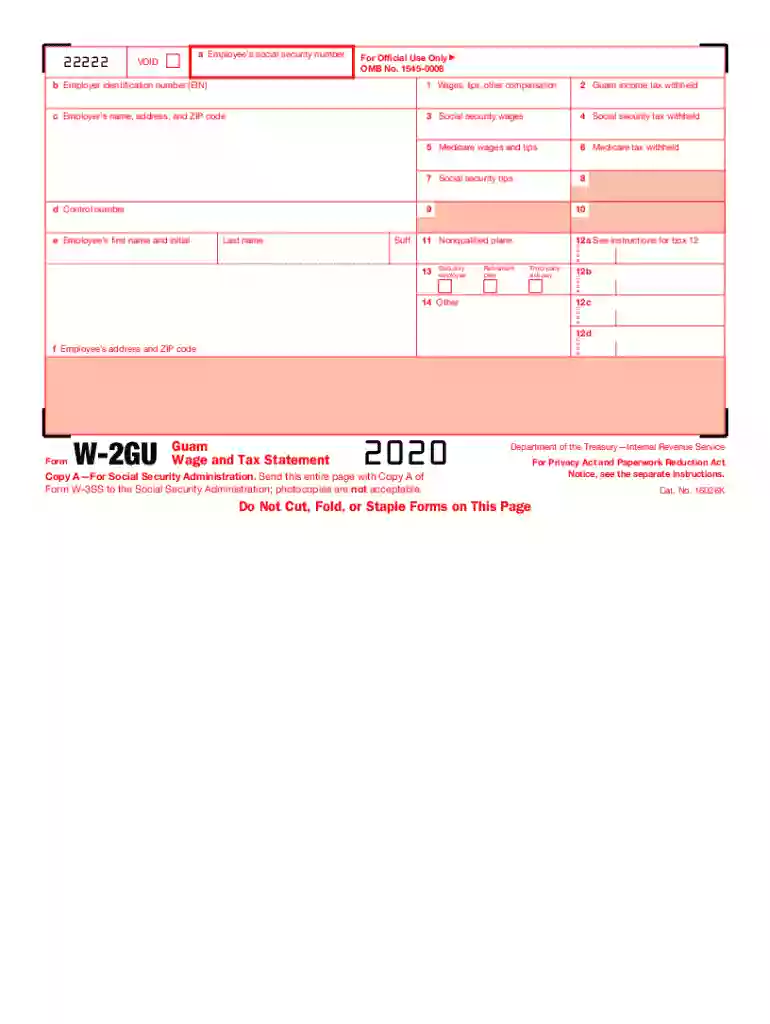
Type text, add images, blackout confidential details, add comments, highlights and more.
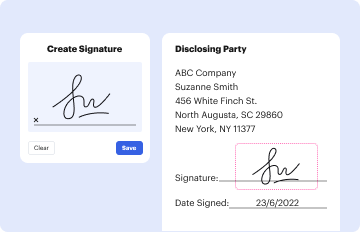
Draw your signature, type it, upload its image, or use your mobile device as a signature pad.

Send myguamtax login via email, link, or fax. You can also download it, export it or print it out.
"My Guam Tax" refers to the specific tax obligations and forms associated with individuals and businesses operating in Guam, a U.S. territory. This tax framework is relevant for those reporting income, conducting business, or managing payroll on the island. My Guam Tax includes filing various forms such as W-2GU for wage and tax statements, ensuring compliance with local and federal tax laws, and understanding the nuances that differentiate it from stateside tax processes. The primary aim is to ensure accurate tax reporting and adherence to regulations, which is vital for avoiding penalties.
Using My Guam Tax involves several steps to ensure compliance and accurate filing. Taxpayers must first identify their tax obligations—such as income tax, business income, or employment tax—and then gather the required documentation like income statements and expenses. Filing typically requires completion of the appropriate forms, like W-2GU for employees. You can file electronically through the Social Security Administration's platform or submit paper forms. It's crucial to adhere to filing deadlines to avoid penalties. Utilizing resources from the Guam Department of Revenue and Taxation can aid in the efficient use of My Guam Tax.
My Guam Tax complies with U.S. tax laws while accounting for Guam-specific guidelines. It allows taxpayers to fulfill their legal requirements, ensuring that all income generated in Guam is reported accurately. Legal use involves staying informed of changes in tax codes, meeting all filing deadlines, and keeping documentation for each tax season. Additional protective measures include consulting a tax professional to navigate complexities and ensure that filings are not only compliant but optimized for any available exemptions or deductions specific to Guam.
Understanding essential terms can greatly aid in navigating My Guam Tax. Key terms include:
The main users of My Guam Tax include residents and businesses operating in Guam. Employees receive a Form W-2GU for wage reporting, while business owners handle corporate taxes and any relevant employer responsibilities. Additionally, self-employed individuals and expatriates residing in Guam might also need to understand and apply My Guam Tax requirements.
Timely submission of tax forms is crucial for compliance. Generally, the deadlines align with standard U.S. tax deadlines, such as April 15 for personal income tax returns. However, understanding the specific requirements and deadlines for Form W-2GU submissions, which align with SSA deadlines, is critical. Staying updated with any changes announced by the Guam Department of Revenue and Taxation ensures compliance with these requirements.
To use My Guam Tax, individuals and entities must meet certain criteria. U.S. citizens and residents earning income in Guam are required to file. Businesses registered in Guam must report income and comply with employment tax requirements. Special circumstances, such as receiving income from both Guam and another location, may require dual filings, necessitating careful attention to ensure all tax responsibilities are met appropriately.


My Guam Tax supports multiple submission methods for flexibility and accessibility:
Ensuring forms are notarized when required and including all supplementary schedules can prevent delays.
We've got more versions of the myguamtax form. Select the right myguamtax version from the list and start editing it straight away!
| Versions | Form popularity | Fillable & printable |
|---|---|---|
| 2024 | 4.4 Satisfied (30 Votes) | |
| 2023 | 4.8 Satisfied (38 Votes) | |
| 2022 | 4.9 Satisfied (29 Votes) | |
| 2021 | 4.8 Satisfied (176 Votes) | |
| 2020 | 4 Satisfied (54 Votes) | |
| 2019 | 4.2 Satisfied (53 Votes) | |
| 2018 | 4.3 Satisfied (109 Votes) | |
| 2017 | 4.1 Satisfied (51 Votes) | |
| 2016 | 4.4 Satisfied (336 Votes) | |
| 2015 | 4 Satisfied (20 Votes) | |
| 2014 | 4 Satisfied (44 Votes) | |
| 2013 | 4 Satisfied (37 Votes) | |
| 2012 | 4 Satisfied (48 Votes) | |
| 2011 | 4 Satisfied (30 Votes) |
Sure, you’ll find many different applications for this on the web. Nonetheless, if you need to eSign your guamtax login without installing additional software, DocHub is the best choice you can make. This powerful editor works on mobile devices just like on desktops. Open our editor in any internet browser, register or log in to your account, and start managing your forms.
You can easily edit fill out your my guam tax on any iOS device. Open an internet browser of your choice, visit the DocHub website, authorize or create a new account, add your file for editing, and make your required alterations. Our service is mobile-friendly, so utilizing its functions on your smartphone will be a no-brainer, even on the first try.
At DocHub, your data security is our priority. We follow HIPAA, SOC2, GDPR, and other standards, so you can work on your documents with confidence.
All payments listed below can be made immediately after registering. All other payments will be for outstanding bills (such as GRT and Income Tax receivables).Read more
If you are scheduling your upcoming drivers written examination, please visit the Department of Revenue and Taxations Department of Motor Vehicle division.Read more


