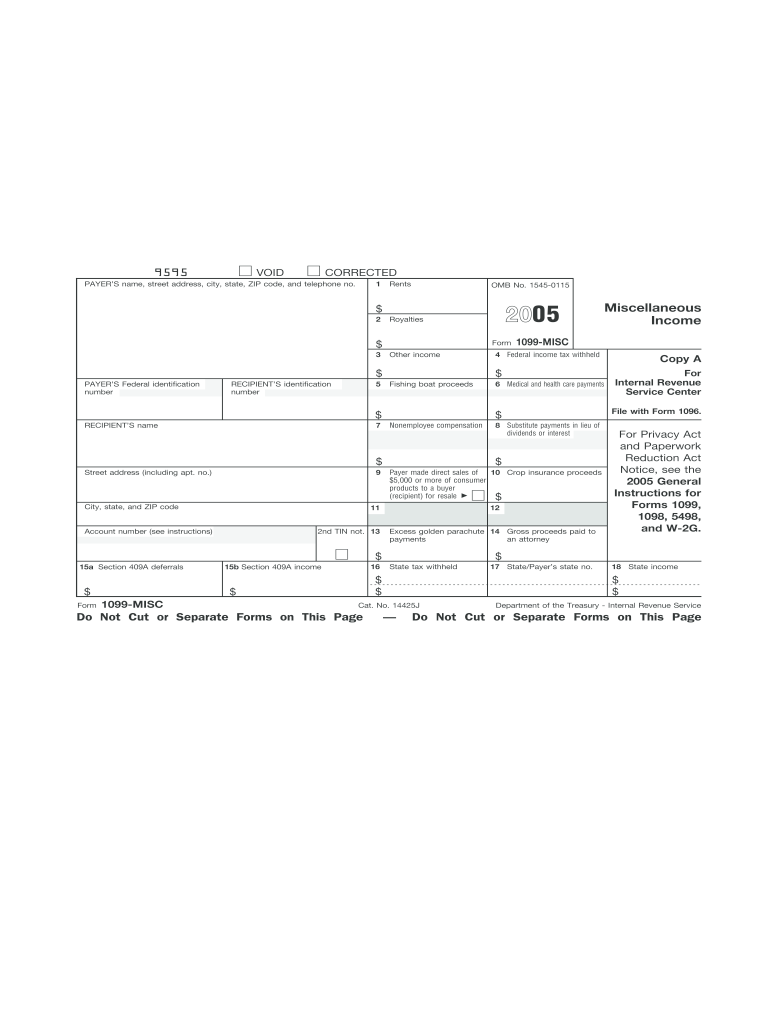







Definition and Meaning of the 2005 Form
The 2005 form, primarily known in contexts like tax filings or business documentation, refers to forms used during the year 2005. Understanding what this form entailed is crucial for historical reference or ongoing legal or financial matters. These forms often relate to annual updates for various regulatory requirements, such as accounting records or tax documentation from that specific year.
Common Uses
- Tax return filings for the fiscal year 2005
- Corporate annual reports or amendments
- Financial audits and reviews for businesses
- Personal documentation requiring historical data references
These forms help individuals and businesses maintain compliance with legal standards or report required financial details specific to that period.
How to Use the 2005 Form
When using a 2005 form, it's essential to comply with the purposes it served, whether for tax, business, or personal use.
-
Fill In Legally Required Data:
- Ensure all designated fields relevant to 2005 are correctly completed.
- Use historical data from financial records for accuracy.
-
Verification:
- Cross-check all entries with supporting documents like balance sheets, revenue records, or receipts from 2005.
Practical Tips
- Retain a copy for personal records.
- Consult historical tax or accounting services for accuracy.
Steps to Complete the 2005 Form
Filling out a 2005 form involves replicating financial or personal information from that year accurately.
-
Gather Relevant Documents:
- Collect related documents such as W-2s, 1099s, and business financial statements.
-
Accurate Data Entry:
- Ensure precision by referring to original records, double-check calculations.
-
Confirm Consistency:
- Verify all entries match your records to avoid inconsistencies.
Common Mistakes to Avoid
- Misreporting income figures
- Using incorrect identifiers like outdated addresses
Key Elements of the 2005 Form
Every 2005 form has key sections that need your attention to ensure proper completion:
-
Personal Information:
- Ensures identification of the filer, like name, social security number, or business EIN.
-
Financial Information:
- Accurate representation of income, expenses, and deductions related to 2005.
Essential Sections
- Contact Information
- Source of Income
- Deductions and Credits Applicable in 2005
IRS Guidelines for the 2005 Form
The IRS has specific guidelines for forms pertaining to 2005, which may differ from current practices.
Historical Compliance Points
- Recognizing older filing statuses and exemption rules
- Understanding deductions no longer applicable today, such as the old home office deduction rules
Filing Deadlines/Important Dates
Understanding past deadlines is crucial to comprehend late filings or historical tax disputes.
Important Dates for 2005
- Standard Filing Date:
- April 15, 2006, was the deadline for 2005 returns.
- Extensions:
- Filed using Form 4868, if necessary, extending deadlines to October 15, 2006.
Penalties for Non-Compliance
Non-filing or incorrect filing of a 2005 form can have historic penalties that still apply today.
Common Penalties
-
Late Filing Fees:
- Significant monthly penalties calculated against the tax owed.
-
Interest Charged:
- Accrued on unpaid taxes from the original due date to the payment date.
Software Compatibility
Using modern tools to manage historical forms like those from 2005 can streamline the process.
Compatible Software
-
Tax Software:
- Programs like TurboTax and QuickBooks may still accommodate older forms or provide historical filing tools.
-
Document Management:
- Platforms like DocHub allow you to edit and manage these forms efficiently, enhancing accuracy through historic data integration.