




01. Edit your 2011 form 1099 online
Type text, add images, blackout confidential details, add comments, highlights and more.

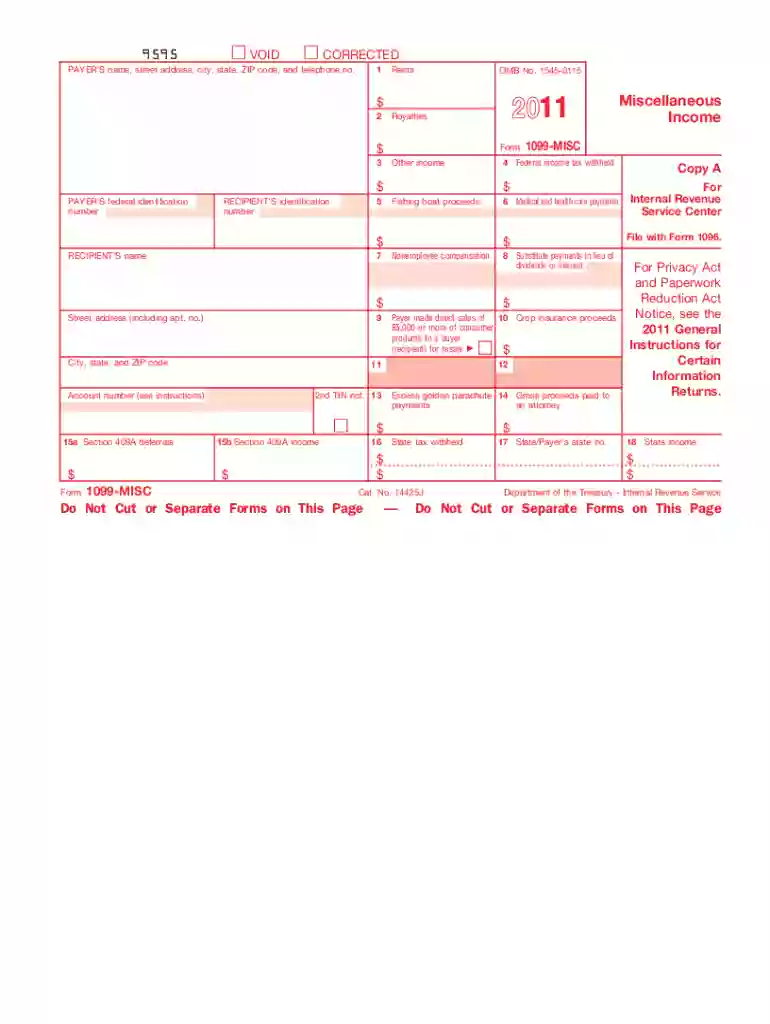
Type text, add images, blackout confidential details, add comments, highlights and more.

Draw your signature, type it, upload its image, or use your mobile device as a signature pad.

Send 1099 form 2011 via email, link, or fax. You can also download it, export it or print it out.
The IRS 2011 Form 1099 is a key document used for reporting income received through sources other than employment. Typically, these sources include rents, royalties, dividends, and nonemployee compensation. It is crucial for taxpayers to ensure that these income types are accurately documented and reported to avoid discrepancies with the IRS and potential penalties. The form requires careful attention to detail to properly fill out and submit within specified deadlines.
The 2 form is available directly through the IRS website or by contacting the IRS for official paper forms. It is important to use the official version, as the form includes specific scannable features that facilitate processing by the IRS. Non-standard forms, particularly those printed from digital copies, are not acceptable for filing.
The form is issued by any business or entity that has paid an individual or another business at least $600 within the tax year for services rendered, among other types of payments. It's important for the issuing entity to track these payments throughout the year to ensure accurate reporting.
Failing to provide or file the 2 form can result in penalties. These penalties can vary based on how late the form is filed and whether the omission was intentional. Early submission of complete and accurate forms can help avoid these financial consequences.
While the IRS requires that forms submitted are official copies, many entities use digital platforms for preparing the forms before ordering official paper copies for submission. Software such as TurboTax or QuickBooks can assist in this preparation, though they cannot replace the need for the official IRS paper form submission.
It's pertinent to follow IRS guidelines to ensure compliance. This involves using only the official IRS-provided forms, reporting accurate income types and amounts, and adhering to specified filing methods and deadlines.
Various business structures, such as LLCs, corporations, and partnerships, may need to issue the 1099 form. Depending on the classification, certain nuances in form preparation and submission might apply. Ensuring understanding of entity-specific regulations will aid in proper compliance and form completion.
We've got more versions of the 2011 form 1099 form. Select the right 2011 form 1099 version from the list and start editing it straight away!
| Versions | Form popularity | Fillable & printable |
|---|---|---|
| 2024 | 4.3 Satisfied (49 Votes) | |
| 2022 | 4.9 Satisfied (41 Votes) | |
| 2021 | 4.8 Satisfied (187 Votes) | |
| 2020 | 4.2 Satisfied (31 Votes) | |
| 2019 | 4.4 Satisfied (787 Votes) | |
| 2018 | 4.3 Satisfied (809 Votes) | |
| 2017 | 4.4 Satisfied (1573 Votes) | |
| 2016 | 4.4 Satisfied (963 Votes) | |
| 2015 | 3.9 Satisfied (40 Votes) | |
| 2014 | 3.8 Satisfied (35 Votes) | |
| 2013 | 4 Satisfied (29 Votes) | |
| 2012 | 4 Satisfied (54 Votes) | |
| 2011 | 4.1 Satisfied (22 Votes) | |
| 2010 | 4.4 Satisfied (59 Votes) | |
| 2009 | 4 Satisfied (47 Votes) |
At DocHub, your data security is our priority. We follow HIPAA, SOC2, GDPR, and other standards, so you can work on your documents with confidence.


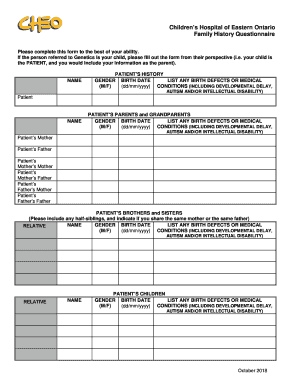

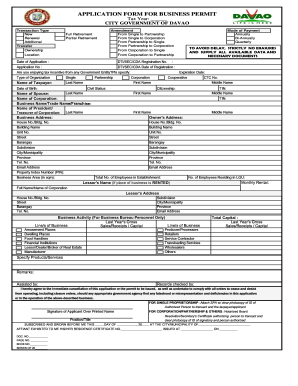
Dec 21, 2011 Form 1099-MISC, Miscellaneous Income. Example 2. You are an artist and create a work of art to. For information about these forms, see theRead more
To order official IRS forms, call 1-800-TAX-FORM (1-800-829-3676) or Order. Information Returns and Employer Returns Online, and well mail you the scannableRead more


