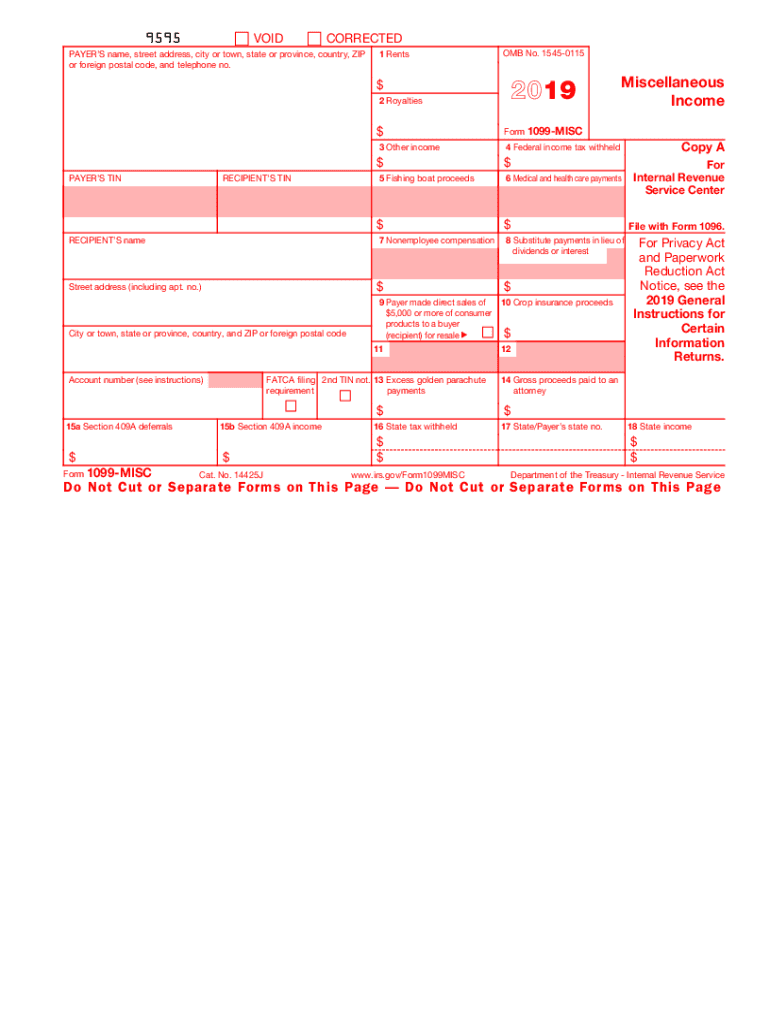







Definition and Purpose of the 1099 Form
The 1099 form is a crucial document used in the United States for reporting various types of income other than wages, salaries, and tips—specifically income from non-employee sources. It serves as a record for the Internal Revenue Service (IRS) of the funds paid to individuals who are not full-time employees, such as freelancers, contractors, and independent business owners. Various types of 1099 forms exist, each designed for different income types, underscoring its versatility in managing diverse income streams. This reporting system ensures transparency and assists in the proper determination of tax liabilities, helping the IRS track unearned income accurately.
How to Obtain the 1099 Form
Obtaining a 1099 form can be achieved through several channels. Taxpayers typically receive the form directly from the payer who has issued payment for services or goods. For instance, if a business paid a freelancer $600 or more during the tax year, they are required to send the freelancer a completed 1099 form. Alternatively, businesses needing to issue 1099 forms can order them through the IRS website or purchase them from authorized retailers selling tax forms. Additionally, digital versions are available for download from certain online tax software platforms, which may facilitate the form-filling process while ensuring compliance with IRS standards.
Steps to Complete the 1099 Form
Completing a 1099 form involves several specific steps to ensure accuracy and compliance.
-
Gather Payer Information: Include the payer's name, address, and Tax Identification Number (TIN).
-
Include Recipient Information: Add the recipient's name, address, and in some cases, their TIN or Social Security Number (SSN).
-
Report Payments: Indicate the total amount paid over the fiscal year in the appropriate box that corresponds to the type of income.
-
Check for Special Conditions: Ensure any applicable checks related to foreign accounts or additional withholding taxes are properly addressed.
-
Provide Copies: Ensure both the IRS and the recipient receive their respective copies by the specified deadlines. Employers should retain a copy for their records as well.
Who Typically Uses the 1099 Form
The 1099 form is essential for a range of individuals and businesses. It is primarily used by individuals such as freelancers, independent contractors, and self-employed persons who receive payments from clients for services rendered. Business entities, including LLCs, corporations, and partnerships, also utilize the 1099 form for reporting non-salary compensation to these individuals. Further, financial institutions employ variations of the 1099 form to report investment income, such as dividends and interest.


Important Terms Related to 1099 Form
Familiarity with key terms associated with the 1099 form enhances comprehension and proper handling.
- Payer: The entity or individual who has made payments and is responsible for issuing the form.
- Recipient: The party receiving the payments, often responsible for reporting this income on their tax returns.
- Nonemployee Compensation: Commonly noted on 1099 forms, referring to payments to independent contractors.
- Backup Withholding: A specific tax withheld by the payer to ensure compliance, applicable under certain situations.
Filing Deadlines and Important Dates
Adherence to designated deadlines for 1099 forms is critical to avoid penalties. Generally, 1099 forms must be sent to recipients by January 31st of each fiscal year, enabling them to report the income in a timely manner for tax filings. The IRS filing deadlines can vary, especially if filing electronically or by mail, with electronic forms often due by March 31st.
Penalties for Non-Compliance
Entities failing to issue 1099 forms in accordance with IRS guidelines may face significant penalties. Fines increase based on how late the forms are submitted, varying from $50 per form for minor delays to $280 per form for significant tardiness or willful disregard. Entities must also ensure accuracy in the information provided to avoid additional penalties related to incorrect or misleading reporting.
Digital vs. Paper Version
In the evolving digital landscape, the 1099 form is available in both paper and digital formats, allowing flexibility based on the preference of the payer and recipient. Digital filing, often facilitated through platforms like DocHub, aligns with modern trends toward paperless transactions and seamless integration with digital tax software, fostering a streamlined workflow. Conversely, traditional paper filing remains an option for those who prefer physical documentation, but it generally requires more time to process compared to electronic submissions.