
Landlord-Tenant Correspondence
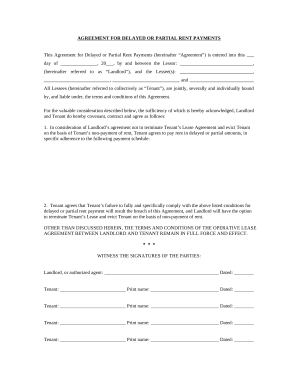
Agreement for Delayed or Partial Rent Payments - Utah
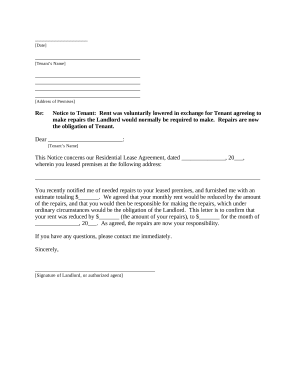
Ca notice rent
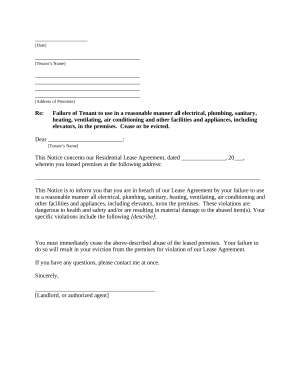
Florida landlord tenant
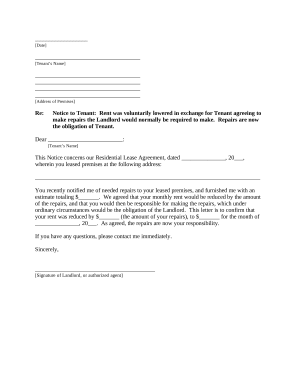
Letter tenant rent
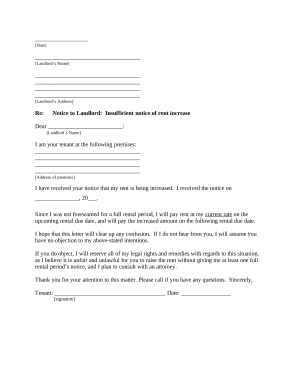
Texas letter tenant
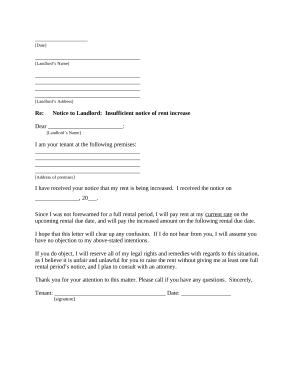
Pennsylvania tenant landlord
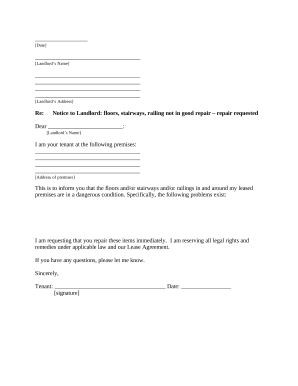
Letter tenant form
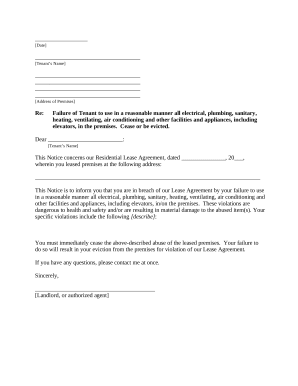
Letter landlord in
North carolina tenant notice
Letter tenant remove
New hampshire letter
Letter landlord tenant
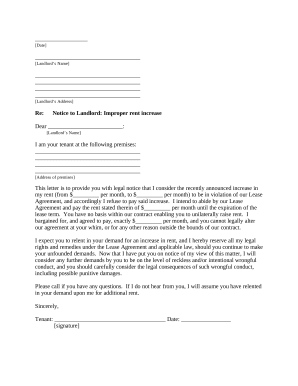
Landlord rent increase
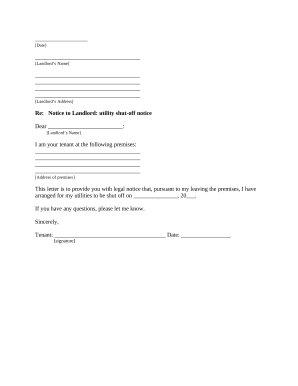
Utility shut off notice template
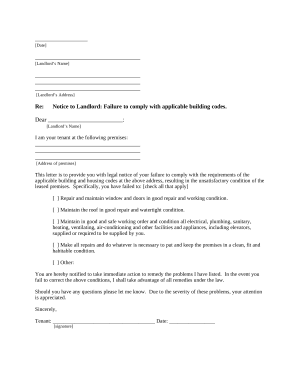
Tenant landlord with
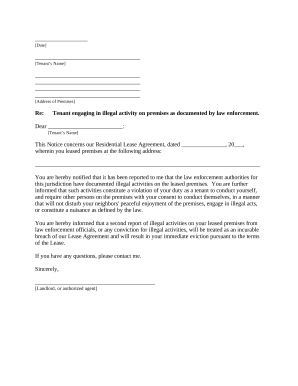
Letter tenant about
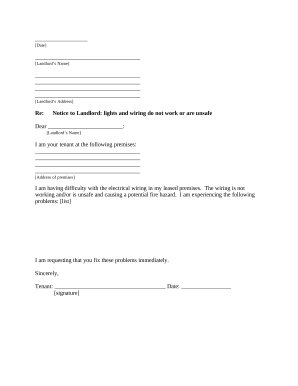
Ohio letter demand

Ma letter tenant
Transform your file administration with Landlord-Tenant Correspondence
Your workflows always benefit when you can easily locate all the forms and documents you require on hand. DocHub delivers a a large collection templates to ease your daily pains. Get a hold of Landlord-Tenant Correspondence category and easily discover your form.
Start working with Landlord-Tenant Correspondence in several clicks:
- Open Landlord-Tenant Correspondence and get the form you need.
- Click on Get Form to open it in our online editor.
- Begin changing your file: add fillable fields, highlight paragraphs, or blackout sensitive data.
- The application saves your modifications automatically, and once you are ready, you are able to download or share your file with other contributors.
Enjoy seamless document managing with DocHub. Check out our Landlord-Tenant Correspondence collection and find your form right now!
Video Guide on Landlord-Tenant Correspondence management

Commonly Asked Questions about Landlord-Tenant Correspondence
Can a tenant refuse entry to a landlord in NY?
Tenants have the right to privacy in their rented homes and can refuse entry to landlords who do not provide proper notice or have an illegitimate reason for entry. If this right is violated, tenants can take legal action to prevent continued violations and potentially seek damages.
How much time does a landlord have to give a tenant to move out in NY?
In New York 5 Page 9 City, 30 days notice is required, rather than one month. Landlords do not need to explain why the tenancy is being terminated, they only need to provide notice that it is, and that refusal to vacate will lead to eviction proceedings.
What cant a landlord do in New York state?
New York state anti-harassment laws make it illegal for landlords to engage in any action that is intended to force tenants to leave their homes or otherwise give up their rights under law.
Can a landlord enter without permission in NY?
Your landlord can enter your apartment at any time and without notice in an emergency, and at a reasonable time after providing appropriate notice if the entry is either: To provide necessary or agreed upon repairs or services, or. In ance with the lease, or.
How much notice does a landlord have to give if not renewing a lease in NY?
the landlord of an intention not to renew the lease. (General Obligations Law 5-905). If you have lived in your apartment for less than one year, or have a lease for less than one year, your landlord must provide you with 30 days advanced notice before raising your rent or not renewing your lease.
What can a landlord not do in NY?
In rent controlled apartments statewide and in rent stabilized apartments outside New York City, a landlord may not evict a senior citizen, a person living with a disability, or any person who has been living in the apartment for 15 years or more for purposes of owner occupancy (NYC Admin.
Can a tenant refuse a showing New York?
New York allows tenants to refuse viewings at any time, including during the leases final month. Landlord entry for the purpose of showing the property requires the tenants explicit consent. Without it, the landlord must obtain a court order to legally conduct viewings.
How much notice does a landlord have to give a tenant to move out in NY?
If you have been living in your home for over a year, your landlord must give at least 60 days notice. If you have been living in your home for more than 2 years, your landlord must give at least 90 days notice. rent as a security deposit. When you move out, they must return the security deposit within 14 days.


